


Więcej o książce
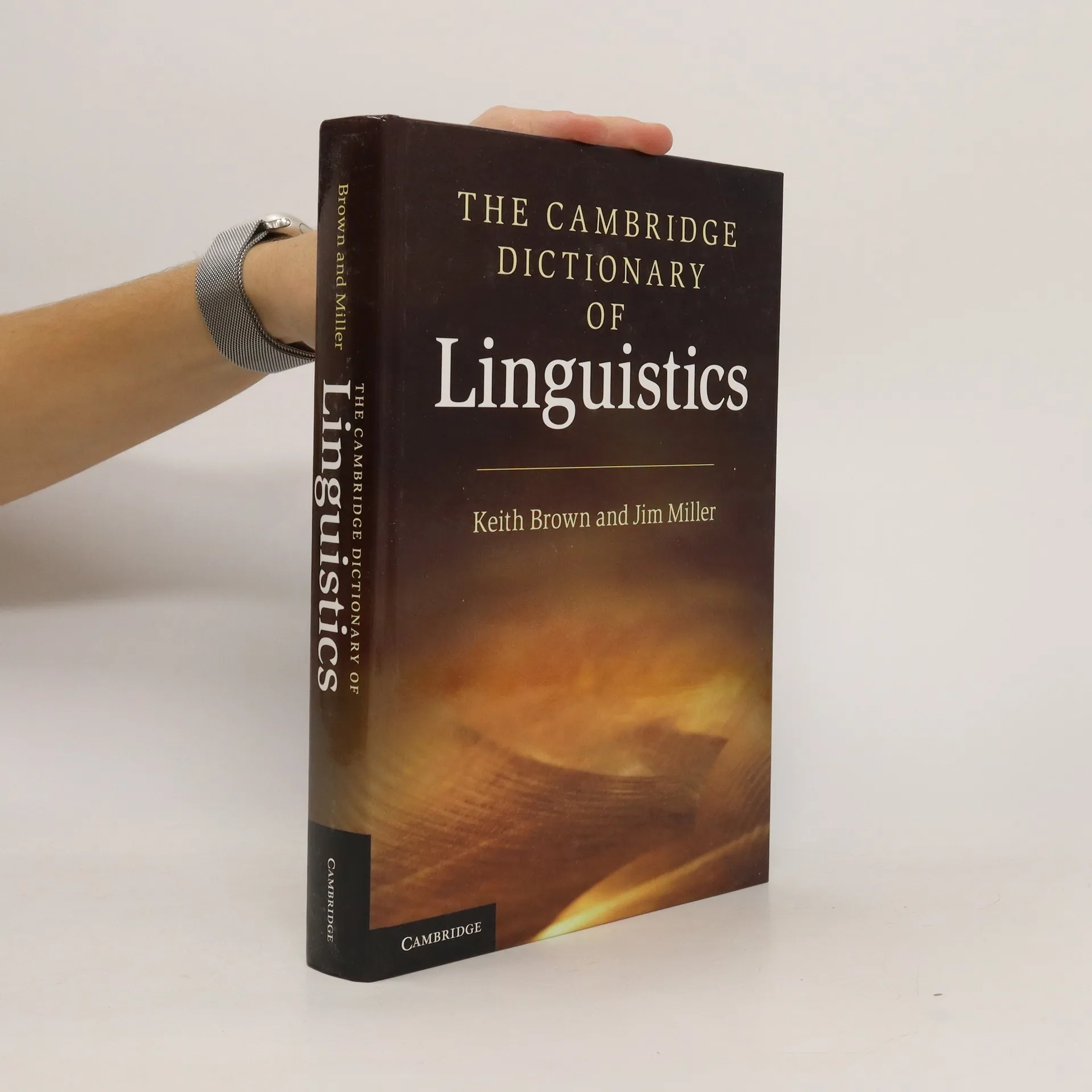
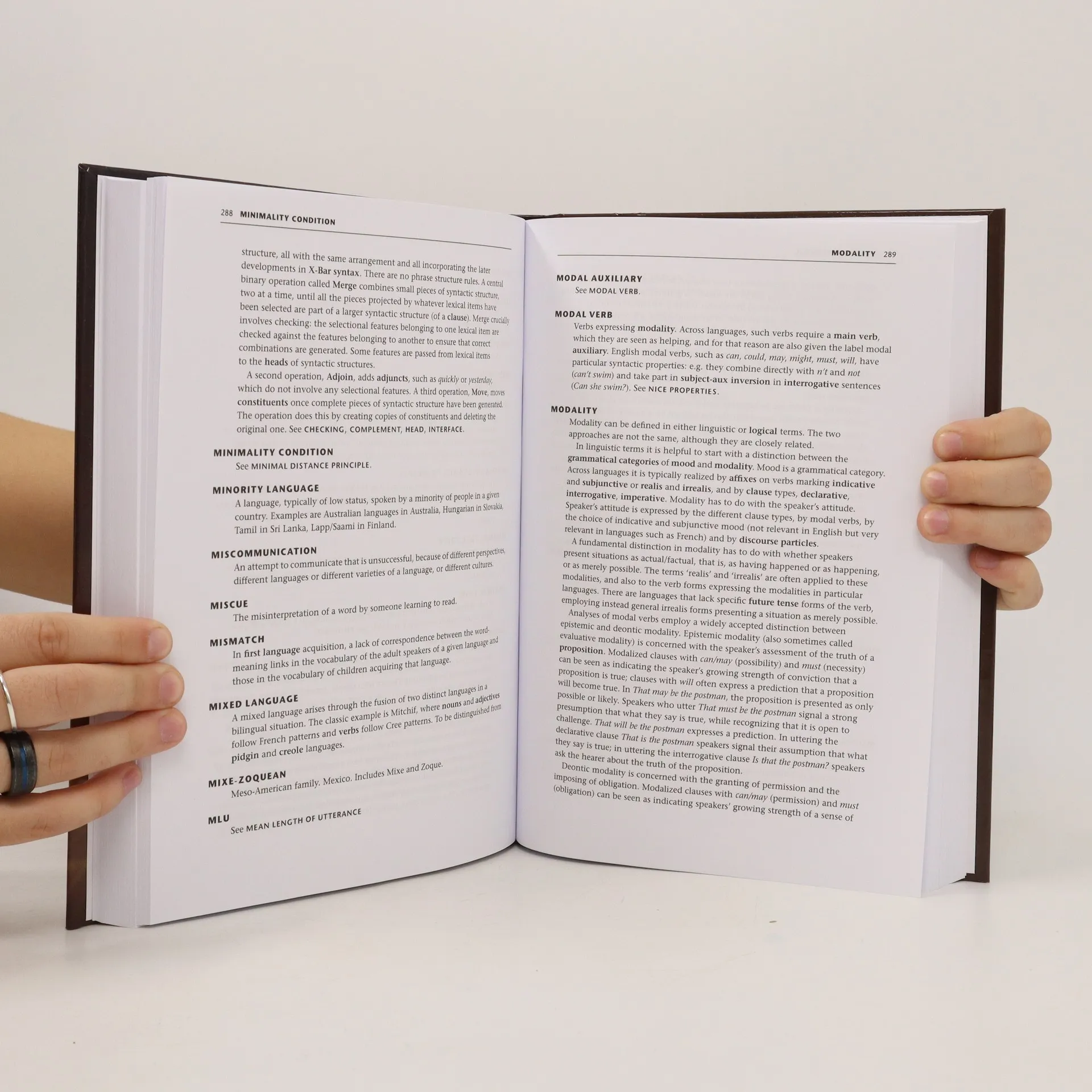
The Cambridge Dictionary of Linguistics provides concise and clear definitions of all the terms any undergraduate or graduate student is likely to encounter in the study of linguistics and English language or in other degrees involving linguistics, such as modern languages, media studies and translation. lt covers the key areas of syntax, morphology, phonology, phonetics, semantics and pragmatics but also contains terms from discourse analysis, stylistics, historical linguistics, sociolinguistics, psycholinguistics, computational linguistics and corpus linguistics. It provides entries for 246 languages, including 'major' languages and languages regularly mentioned in research papers and textbooks. Features include cross-referencing between entries and extended entries on some terms. Where appropriate, entries contain illustrative examples from English and other languages and many provide etymologies bringing out the metaphors lying behind the technical terms. Also available is an electronic version of the dictionary which includes 'clickable' cross-referencing.
Zakup książki
The Cambridge Dictionary of Linguistics, Keith Brown, Jim Miller
- Język

- Rok wydania
- 2014
- Oprawa
- (twarda)
Metody płatności
Brakuje nam tutaj Twojej recenzji.
- Tytuł
- The Cambridge Dictionary of Linguistics
- Język
- angielski
- Autorzy
- Keith Brown, Jim Miller
- Wydawca
- Cambridge University Press
- Rok wydania
- 2014
- Oprawa
- twarda
- Liczba stron
- 492
- ISBN10
- 0521766753
- ISBN13
- 9780521766753
- Seria
- Ocena
- 5 z 5
- Opis
- The Cambridge Dictionary of Linguistics provides concise and clear definitions of all the terms any undergraduate or graduate student is likely to encounter in the study of linguistics and English language or in other degrees involving linguistics, such as modern languages, media studies and translation. lt covers the key areas of syntax, morphology, phonology, phonetics, semantics and pragmatics but also contains terms from discourse analysis, stylistics, historical linguistics, sociolinguistics, psycholinguistics, computational linguistics and corpus linguistics. It provides entries for 246 languages, including 'major' languages and languages regularly mentioned in research papers and textbooks. Features include cross-referencing between entries and extended entries on some terms. Where appropriate, entries contain illustrative examples from English and other languages and many provide etymologies bringing out the metaphors lying behind the technical terms. Also available is an electronic version of the dictionary which includes 'clickable' cross-referencing.