

Więcej o książce
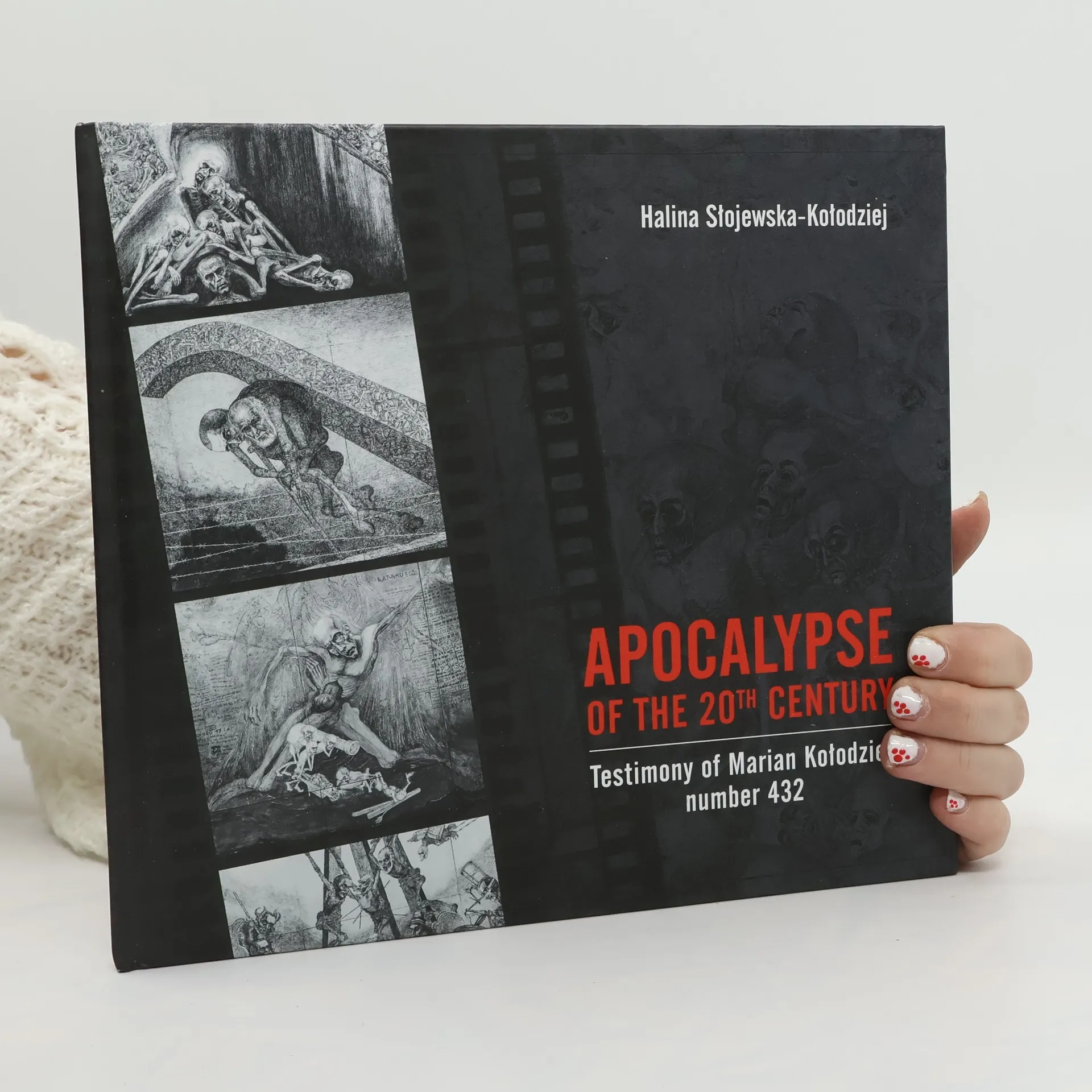
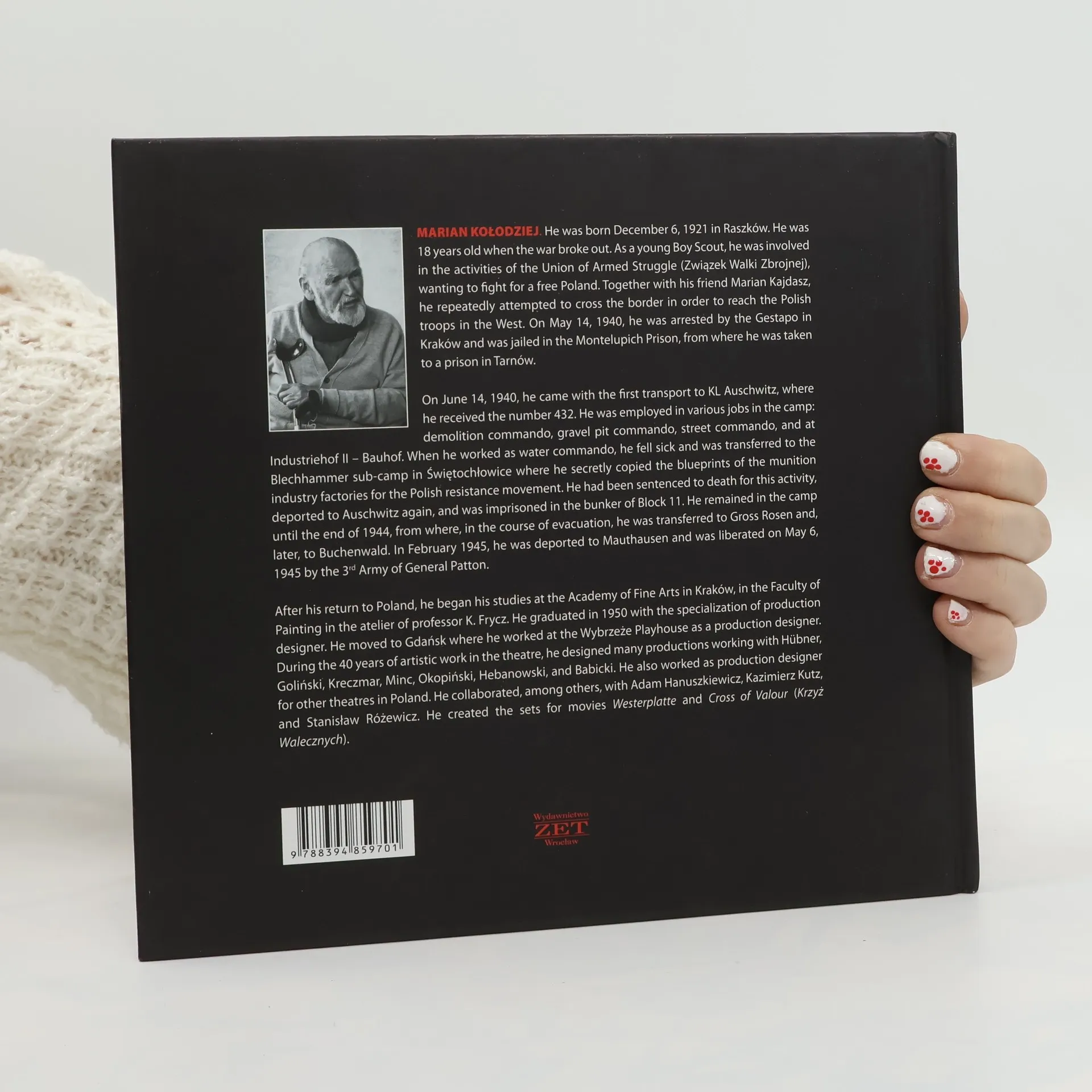
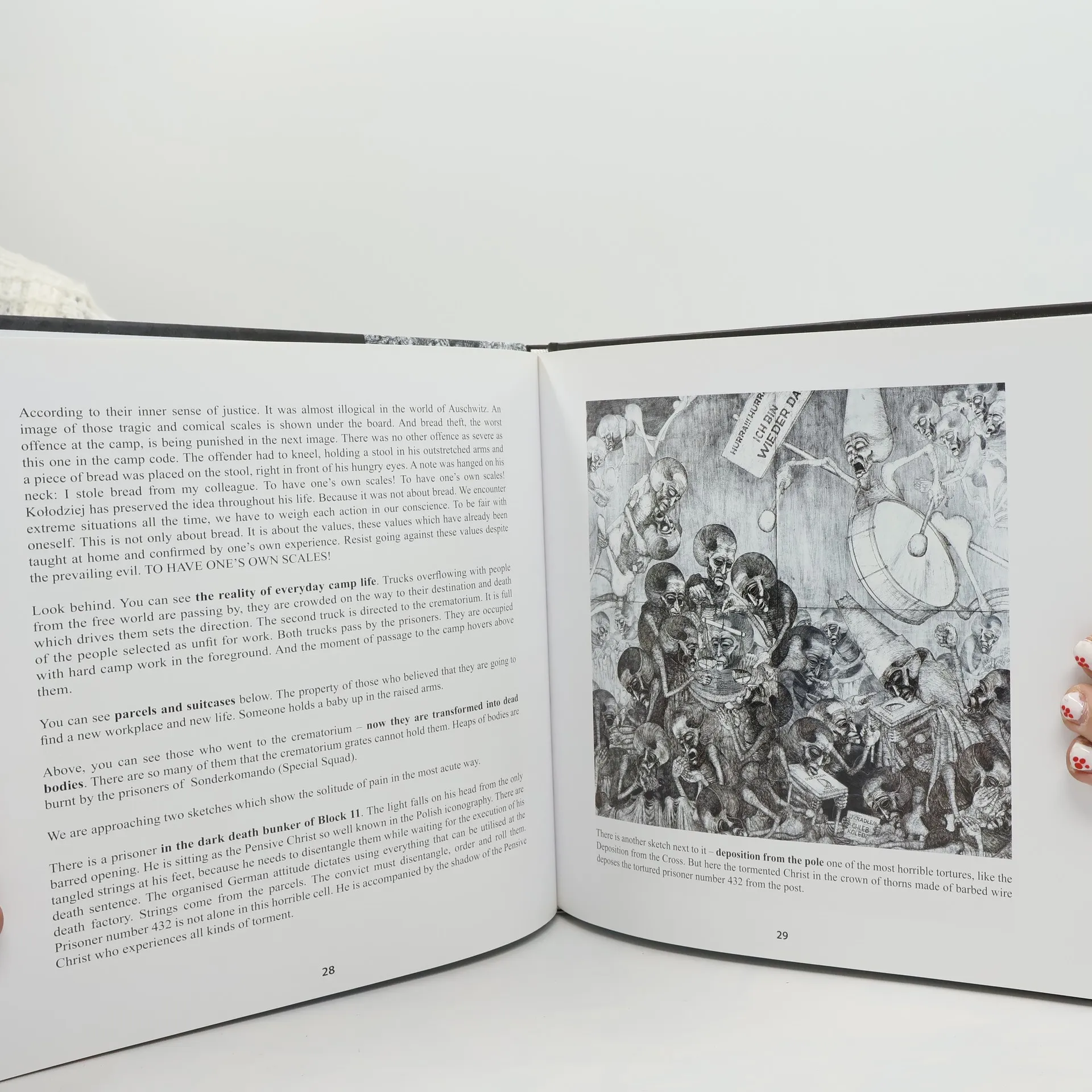
All around the world, Auschwitz-Birkenau is a symbol of genocide. The atrocities committed in this camp should serve as a warning for human kind, and the attempts to salvage humanity made by many prisoners are an important lesson for future generations.The sheer number of victims of this German concentration camp, established in the Third Reich (which occupied Poland was a part of) is shocking. The first to suffer were Poles who lived in this area, forcibly evicted from their homes; not only did they lose their livelihoods but often also their freedom or even life. The moment KL Auschwitz was established on their native soil, the Germans began exterminating Poles. It wasn’t only scientists, artists, politicians and clergy – the elites – who were sent to the camp. Those who were actively opposing the occupiers, resistance activists and also random victims of the oppressive and violent system came here as well.
Zakup książki
Apocalypse of the 20th century : testimony of Marian Kołodziej, number 432, Halina Słojewska, KOŁODZIEJ MARIAN
- Język

- Rok wydania
- 2017
- Oprawa
- (twarda)
Metody płatności
Brakuje nam tutaj Twojej recenzji.
- Tytuł
- Apocalypse of the 20th century : testimony of Marian Kołodziej, number 432
- Język
- angielski
- Autorzy
- Halina Słojewska, KOŁODZIEJ MARIAN
- Wydawca
- Klasztor Franciszkanów
- Rok wydania
- 2017
- Oprawa
- twarda
- Liczba stron
- 72
- ISBN10
- 8394859704
- ISBN13
- 9788394859701
- Seria
- Tagi
- Sztuki piękne
- Ocena
- 5 z 5
- Opis
- All around the world, Auschwitz-Birkenau is a symbol of genocide. The atrocities committed in this camp should serve as a warning for human kind, and the attempts to salvage humanity made by many prisoners are an important lesson for future generations.The sheer number of victims of this German concentration camp, established in the Third Reich (which occupied Poland was a part of) is shocking. The first to suffer were Poles who lived in this area, forcibly evicted from their homes; not only did they lose their livelihoods but often also their freedom or even life. The moment KL Auschwitz was established on their native soil, the Germans began exterminating Poles. It wasn’t only scientists, artists, politicians and clergy – the elites – who were sent to the camp. Those who were actively opposing the occupiers, resistance activists and also random victims of the oppressive and violent system came here as well.