

Więcej o książce
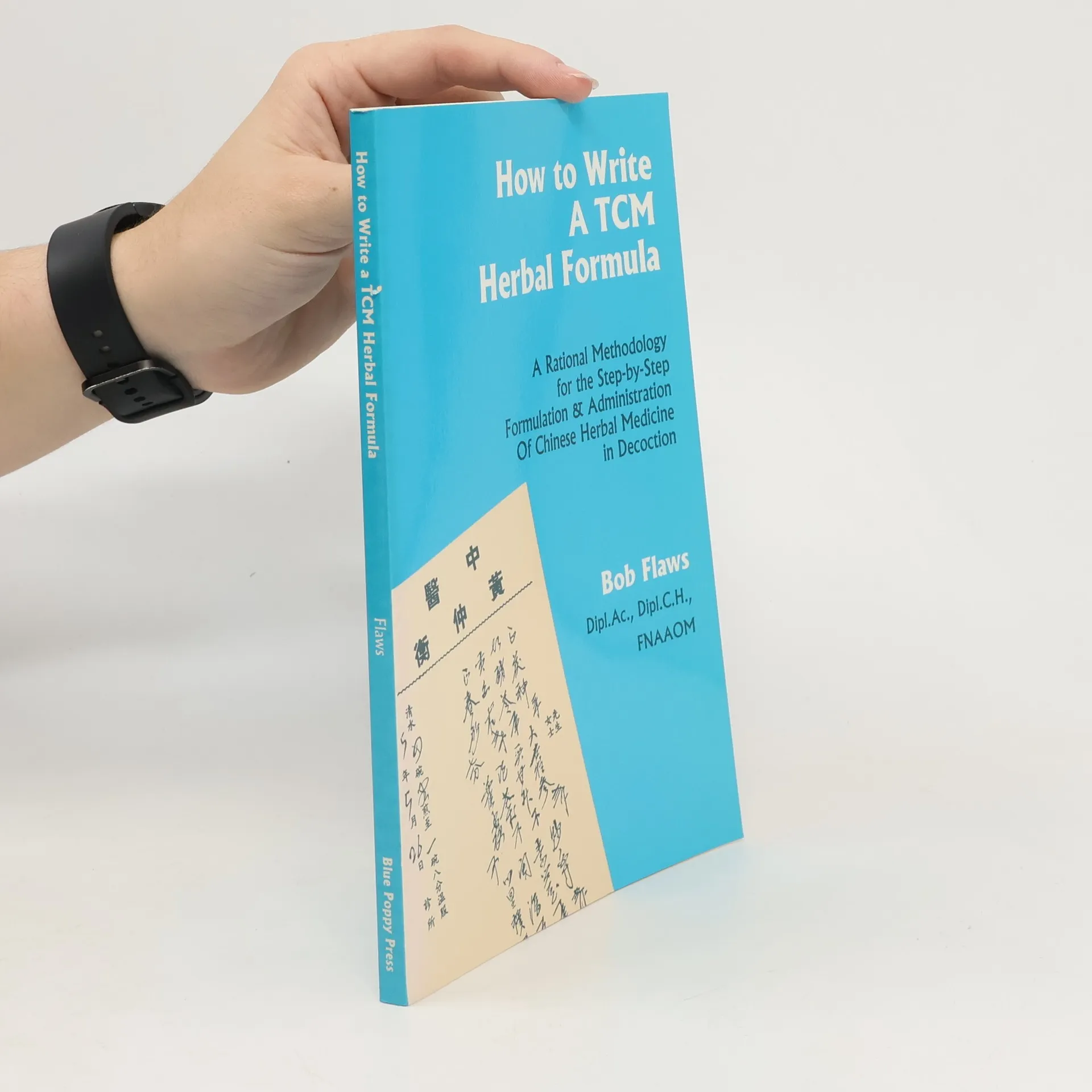
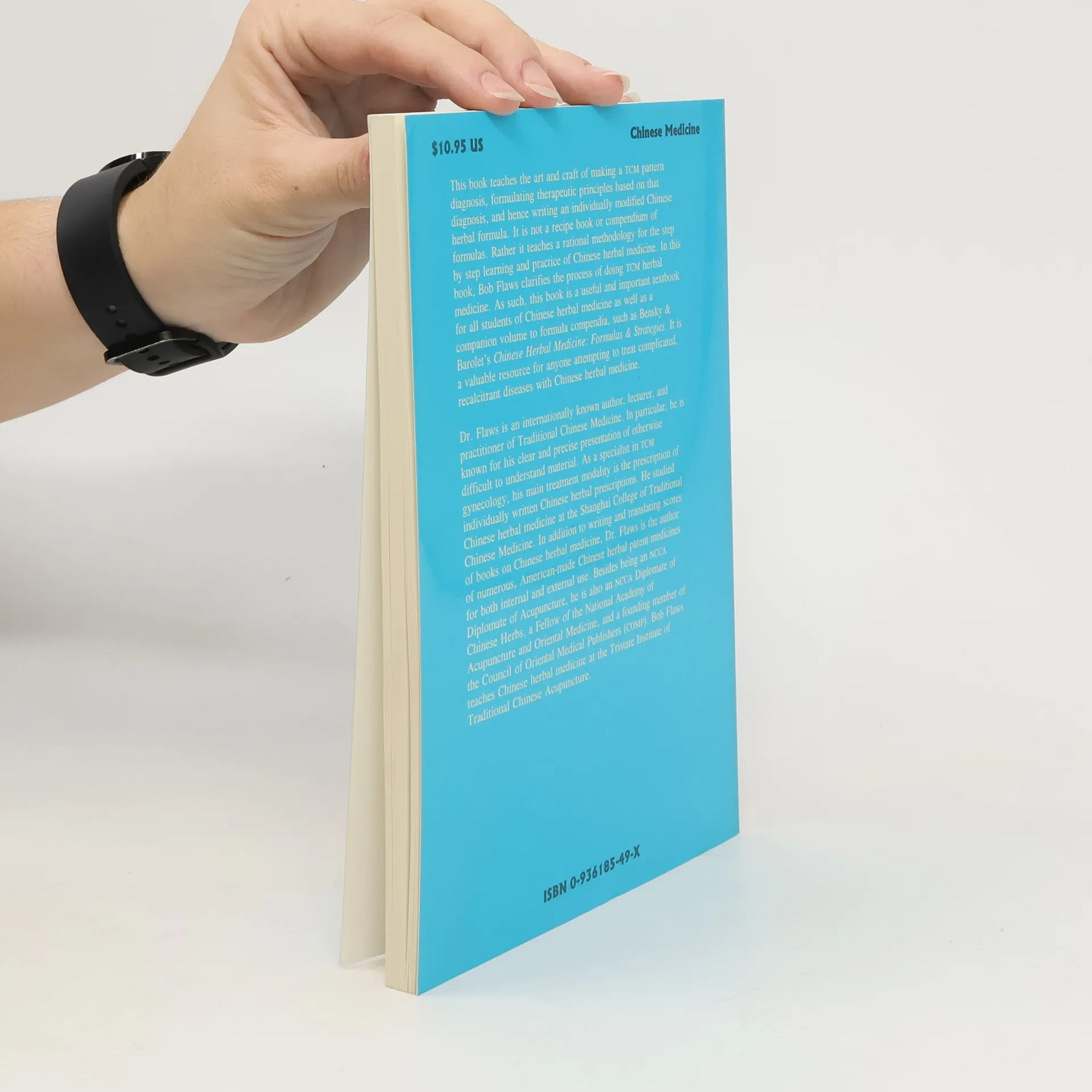
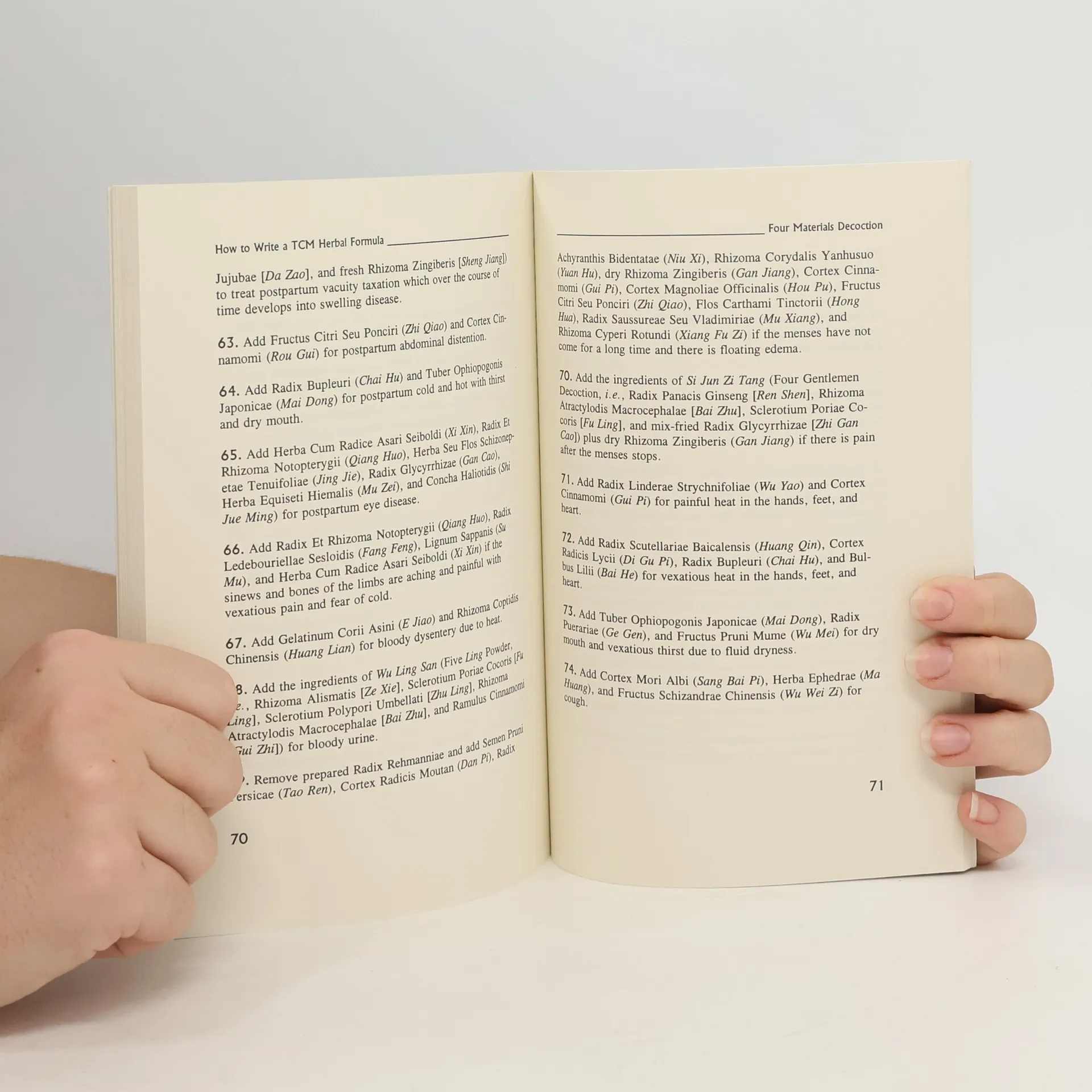
This book describes the step-by-step process of composing a TCM herbal formula. It describes a simple, straight- forward methodology of moving from disease diagnosis to pattern discrimination to treatment principles and, from there, to choosing a guiding formula and modifying it with additions and subtractions to make it more perfectly fit each individual patient. This book fills in much that is left unsaid by other books on Chinese medicine and formulas and clarifies what other authors have left obscure. In China, the information in this book is absorbed by osmosis in supervised clinical practice under mentors with decades of experience. Therefore, most Chinese books do not feel it necessary to explain all this information. The second half of the book is devoted to discussing approximately 150 variations of the formula, Si Wu Tang (Four Materials Decoction), in the light of the material presented in the first half.
Zakup książki
How to Write a TCM Herbal Formula, Bob Flaws
- Język

- Rok wydania
- 1993
- Oprawa
- (miękka)
Metody płatności
Brakuje nam tutaj Twojej recenzji.
- Tytuł
- How to Write a TCM Herbal Formula
- Język
- angielski
- Autorzy
- Bob Flaws
- Rok wydania
- 1993
- Oprawa
- miękka
- Liczba stron
- 96
- ISBN10
- 093618549X
- ISBN13
- 9780936185491
- Seria
- Ocena
- 3 z 5
- Opis
- This book describes the step-by-step process of composing a TCM herbal formula. It describes a simple, straight- forward methodology of moving from disease diagnosis to pattern discrimination to treatment principles and, from there, to choosing a guiding formula and modifying it with additions and subtractions to make it more perfectly fit each individual patient. This book fills in much that is left unsaid by other books on Chinese medicine and formulas and clarifies what other authors have left obscure. In China, the information in this book is absorbed by osmosis in supervised clinical practice under mentors with decades of experience. Therefore, most Chinese books do not feel it necessary to explain all this information. The second half of the book is devoted to discussing approximately 150 variations of the formula, Si Wu Tang (Four Materials Decoction), in the light of the material presented in the first half.