

Więcej o książce
Closed to the world for half a century, the wilderness of Xinjiang in northwest China is re-emerging, revealing a landscape that is both captivating and unsettling. Despite its harsh climate, Xinjiang boasts a rich history filled with sand-buried cities, painted cave shrines, rare creatures, and remarkably preserved mummies of European descent. The Uighurs, descendants of these ancient peoples, continue to cultivate the serene oases surrounding the vast Taklamakan Desert, while Kazakh and Kirghiz herdsmen traverse the mountains. However, the region's history is marred by violence instigated by various outsiders, including nomadic chieftains, Muslim emirs, Russian generals, and Chinese warlords. The Chinese have historically viewed Xinjiang as a barbaric frontier, and it wasn't until the 1760s that they managed to assert control, a process fraught with challenges. Unlike the Russians' conquest of Siberia or the American westward expansion, China's colonization of Xinjiang has been complex and contentious. The Communist regime has developed the area primarily as a penal colony and resource supplier, yet the Uighurs perceive this as an occupation. The resulting tensions have led to violence and brutal reprisals, making this exploration of Xinjiang essential for travelers and those interested in contemporary China and the plight of minority groups.
Zakup książki
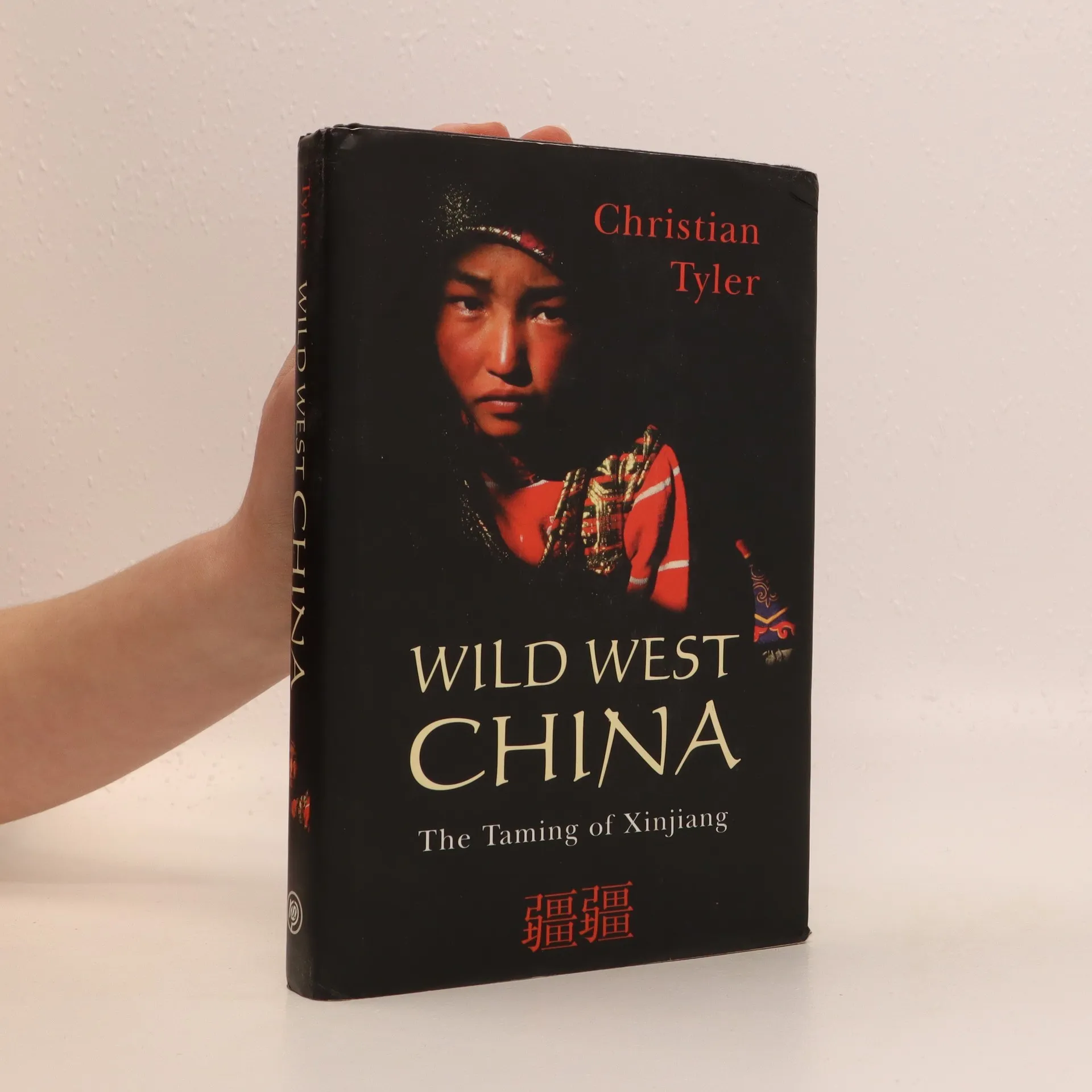
Wild West China: The Taming of Xinjiang, Christian Tyler
- Język

- Rok wydania
- 2004
- Oprawa
- (twarda)
Metody płatności
Brakuje nam tutaj Twojej recenzji.
- Tytuł
- Wild West China: The Taming of Xinjiang
- Język
- angielski
- Autorzy
- Christian Tyler
- Wydawca
- Rutgers University Press
- Rok wydania
- 2004
- Oprawa
- twarda
- Liczba stron
- 314
- ISBN10
- 0813535336
- ISBN13
- 9780813535333
- Seria
- Kategorie
- Tagi
- Tematy historyczne, Podróże, Polityka, Chiny
- Ocena
- 3,55 z 5
- Opis
- Closed to the world for half a century, the wilderness of Xinjiang in northwest China is re-emerging, revealing a landscape that is both captivating and unsettling. Despite its harsh climate, Xinjiang boasts a rich history filled with sand-buried cities, painted cave shrines, rare creatures, and remarkably preserved mummies of European descent. The Uighurs, descendants of these ancient peoples, continue to cultivate the serene oases surrounding the vast Taklamakan Desert, while Kazakh and Kirghiz herdsmen traverse the mountains. However, the region's history is marred by violence instigated by various outsiders, including nomadic chieftains, Muslim emirs, Russian generals, and Chinese warlords. The Chinese have historically viewed Xinjiang as a barbaric frontier, and it wasn't until the 1760s that they managed to assert control, a process fraught with challenges. Unlike the Russians' conquest of Siberia or the American westward expansion, China's colonization of Xinjiang has been complex and contentious. The Communist regime has developed the area primarily as a penal colony and resource supplier, yet the Uighurs perceive this as an occupation. The resulting tensions have led to violence and brutal reprisals, making this exploration of Xinjiang essential for travelers and those interested in contemporary China and the plight of minority groups.