



Więcej o książce
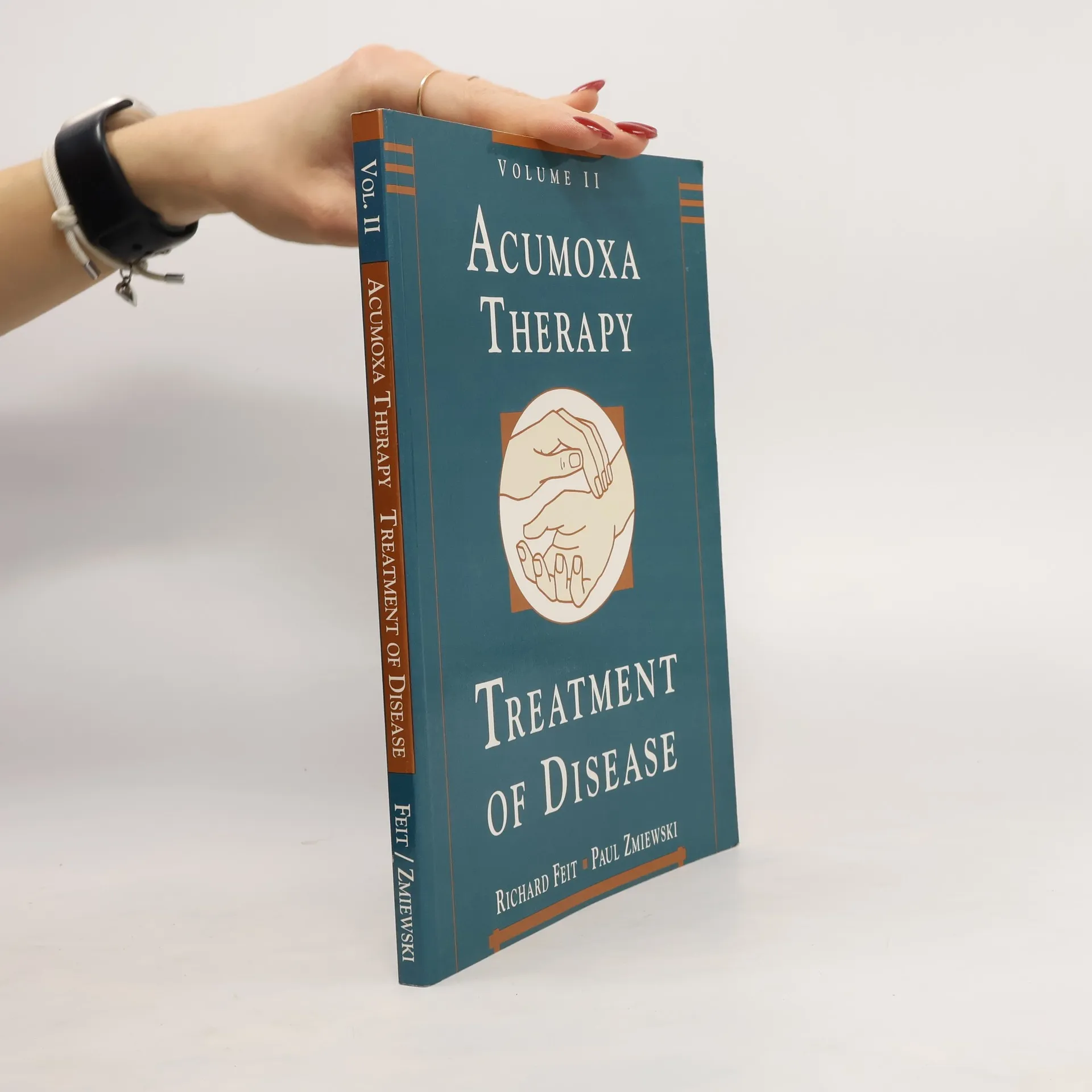
This second volume of the popular Acumoxa Therapy review series takes the reader from the basic theories, systems and structures of Chinese medicine presented in Volume I, to the application of those theories in treatment. Like the earlier volume, this text is ideal for both classroom instruction and practitioner review. This second volume approaches the treatment of disease from both traditional Chinese patterns and Western categories. This dual approach coincides with the structure of most study courses in acupuncture pathology, and reflects common Chinese clinical practice. Part I uses traditional patterns of disharmony to present methods of treatment with their representative acupoints. Part II presents 65 common disorders with guiding symptoms and TCM differentiation. Appropriate points and treatment approaches are always detailed. Included is an excellent presentation of guidelines for developing a clear diagnosis from raw data, emphasizing the all-important transition from basic theory to treatment principle. The concise table format used in the earlier volume is also found here, which facilitates cross-referencing both texts to other important sources.
Zakup książki
Acumoxa Therapy, Paul Zmiewski, Richard Feit
- Język

- Rok wydania
- 1990
- Oprawa
- (miękka)
Metody płatności
Brakuje nam tutaj Twojej recenzji.
- Tytuł
- Acumoxa Therapy
- Język
- angielski
- Autorzy
- Paul Zmiewski, Richard Feit
- Wydawca
- Paradigm Publications
- Rok wydania
- 1990
- Oprawa
- miękka
- Liczba stron
- 160
- ISBN10
- 0912111275
- ISBN13
- 9780912111278
- Seria
- Kategorie
- Ocena
- 3,8 z 5
- Opis
- This second volume of the popular Acumoxa Therapy review series takes the reader from the basic theories, systems and structures of Chinese medicine presented in Volume I, to the application of those theories in treatment. Like the earlier volume, this text is ideal for both classroom instruction and practitioner review. This second volume approaches the treatment of disease from both traditional Chinese patterns and Western categories. This dual approach coincides with the structure of most study courses in acupuncture pathology, and reflects common Chinese clinical practice. Part I uses traditional patterns of disharmony to present methods of treatment with their representative acupoints. Part II presents 65 common disorders with guiding symptoms and TCM differentiation. Appropriate points and treatment approaches are always detailed. Included is an excellent presentation of guidelines for developing a clear diagnosis from raw data, emphasizing the all-important transition from basic theory to treatment principle. The concise table format used in the earlier volume is also found here, which facilitates cross-referencing both texts to other important sources.