

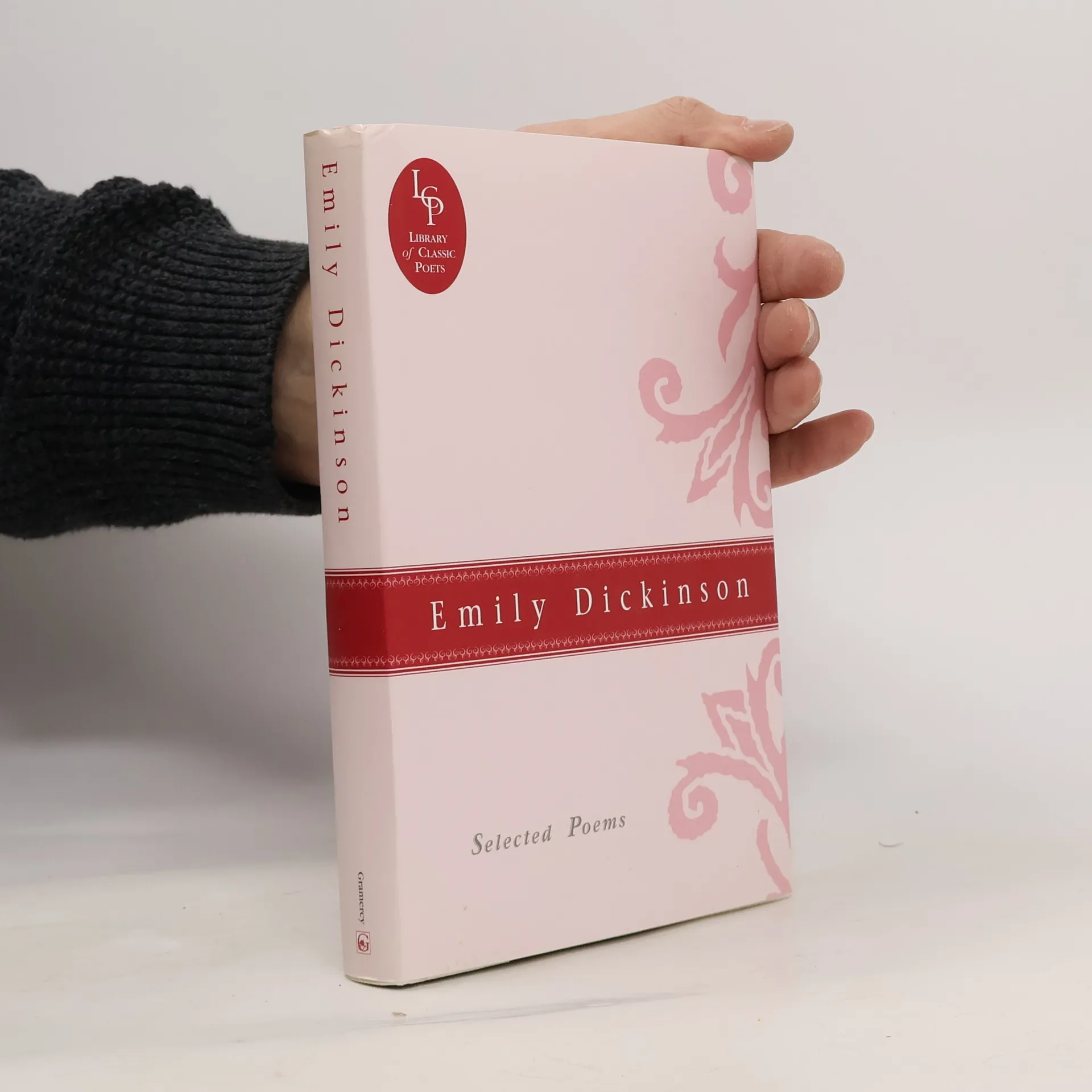
Więcej o książce
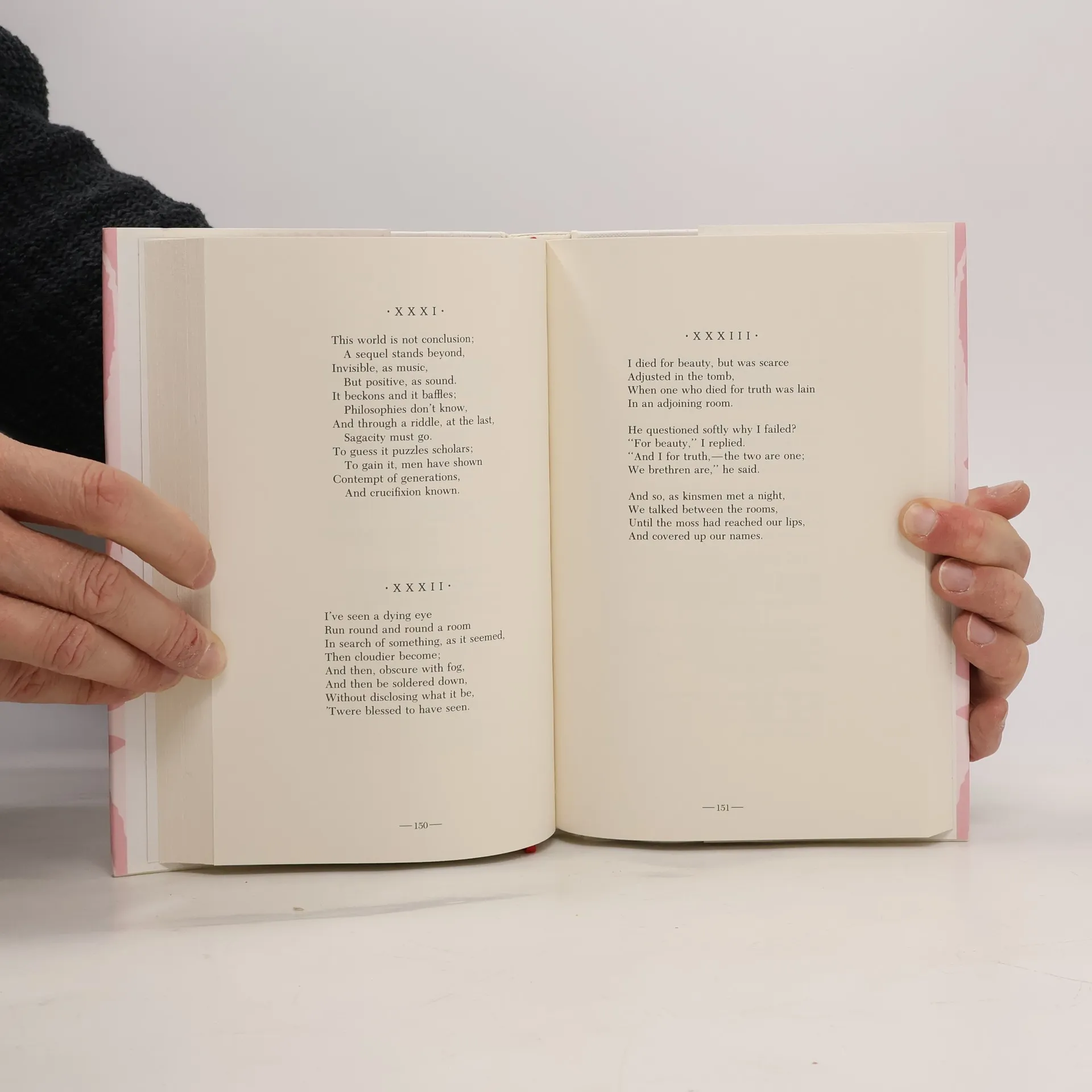
"Except for Kafka, I do not remember any writer who has expressed despair with such strength and constancy as Emily Dickinson." Harold Bloom It was only after Emily Dickinson's (1830-1886) death that her family discovered the 1,775 poems that make up her entire work. Only a few had been published during the poet's lifetime, in periodicals. In this anthology, the reader will have a delightful sample of the poetry of one who, along with Walt Whitman, is one of the great names of 19th-century American lyricism. The poems range from indescribable lightness, reflecting on the small things of everyday life and the fluidity of time, to heavier compositions that address death and psychological tensions. Dickinson, a true free spirit, thinks and expresses these verses—with many of them unpublished in Brazil—with her peculiar sensitivity that transforms the brevity of life into tragic beauty.
Zakup książki
Emily Dickinson (Library of Classic Poets), kolektiv
- Język

- Rok wydania
- 1991
- Oprawa
- (twarda)
Metody płatności
Brakuje nam tutaj Twojej recenzji.
- Tytuł
- Emily Dickinson (Library of Classic Poets)
- Język
- angielski
- Autorzy
- kolektiv
- Wydawca
- Gramercy Books
- Rok wydania
- 1991
- Oprawa
- twarda
- Liczba stron
- 255
- ISBN13
- 9780517215173
- Seria
- Ocena
- 4,2 z 5
- Opis
- "Except for Kafka, I do not remember any writer who has expressed despair with such strength and constancy as Emily Dickinson." Harold Bloom It was only after Emily Dickinson's (1830-1886) death that her family discovered the 1,775 poems that make up her entire work. Only a few had been published during the poet's lifetime, in periodicals. In this anthology, the reader will have a delightful sample of the poetry of one who, along with Walt Whitman, is one of the great names of 19th-century American lyricism. The poems range from indescribable lightness, reflecting on the small things of everyday life and the fluidity of time, to heavier compositions that address death and psychological tensions. Dickinson, a true free spirit, thinks and expresses these verses—with many of them unpublished in Brazil—with her peculiar sensitivity that transforms the brevity of life into tragic beauty.