

Więcej o książce
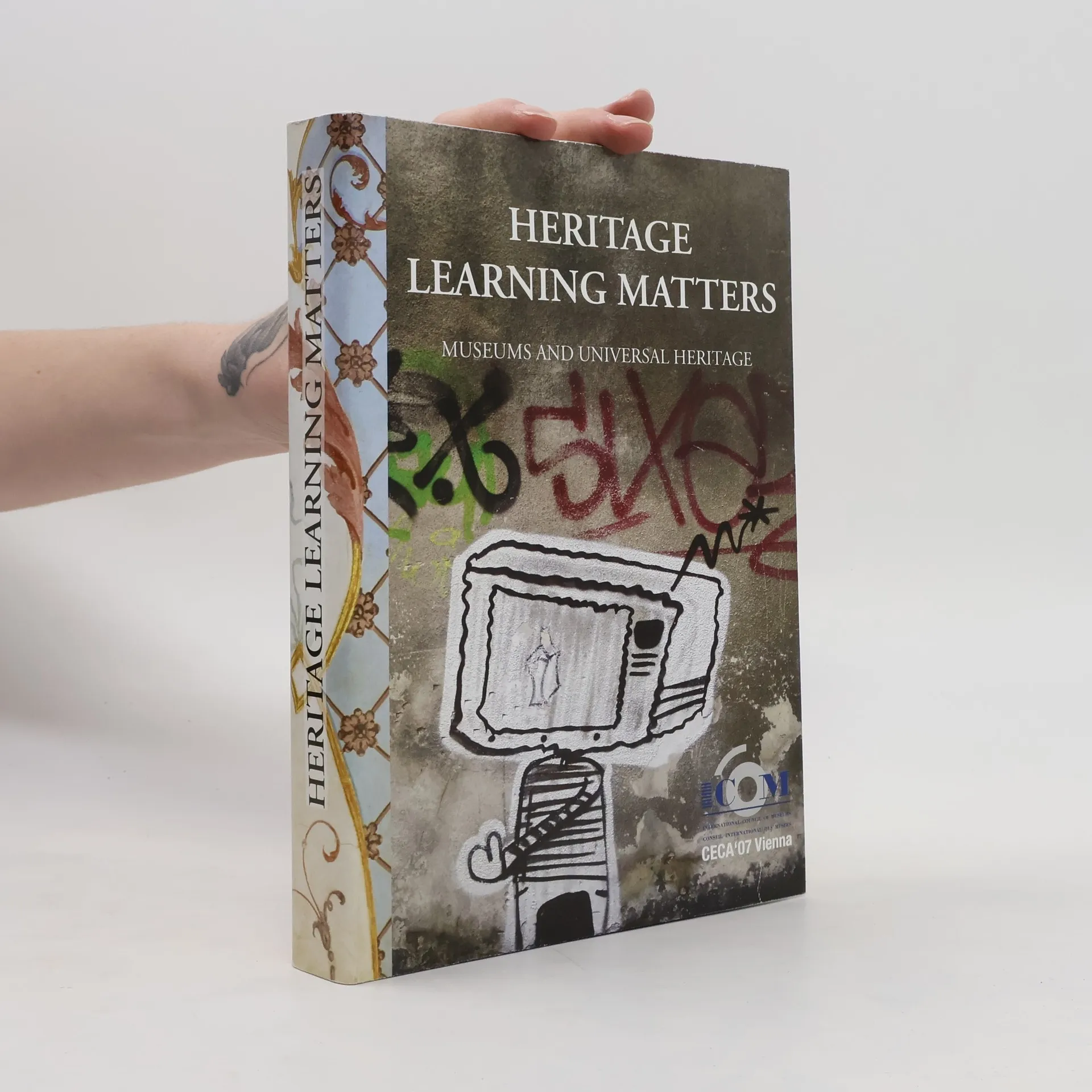
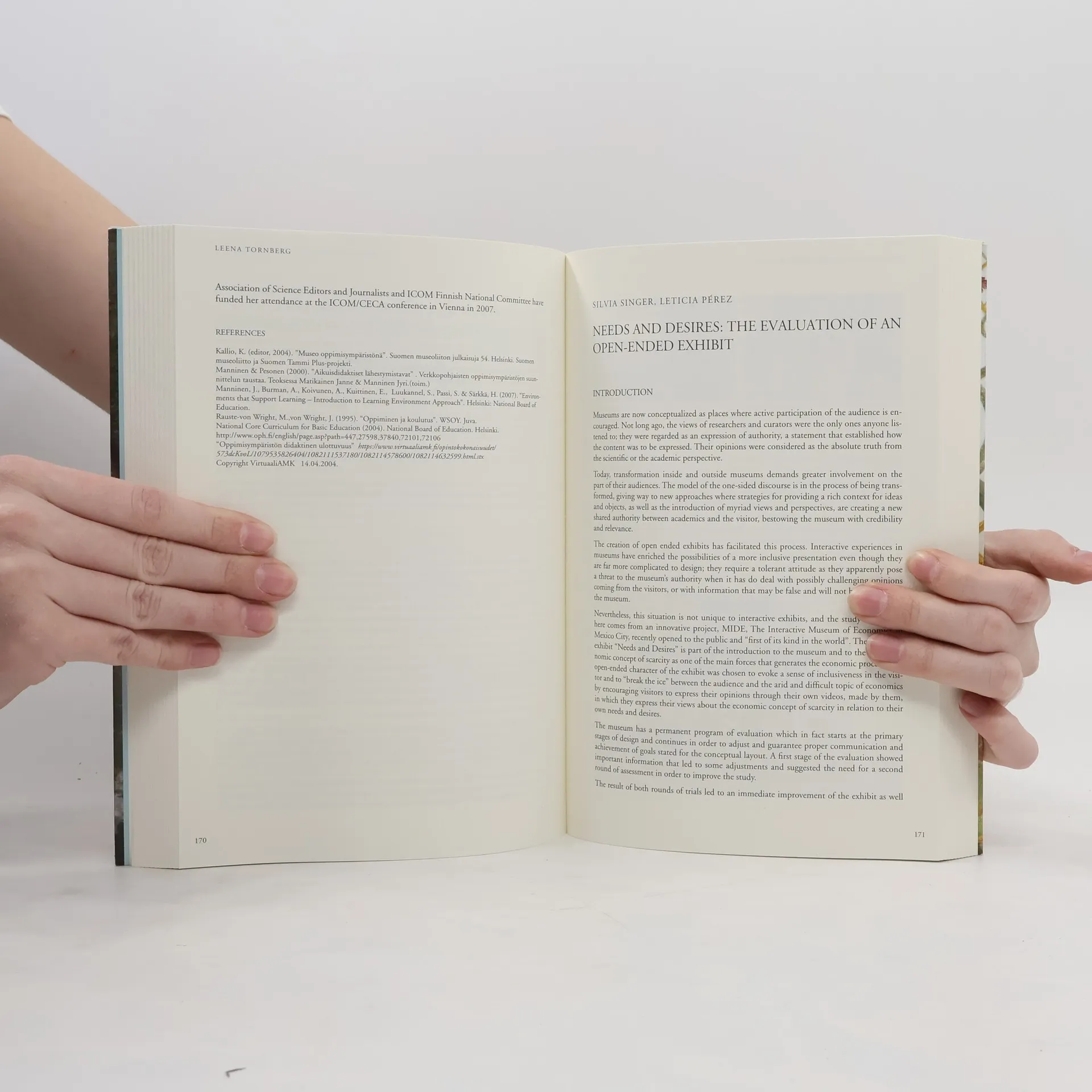
Museums serve as trusted sources of learning and inspiration, acting as safe spaces for exploring diverse ideas and narratives. However, many individuals find museums irrelevant or unwelcoming, often perceiving them as overly academic or boring. In collaboration with the communities they serve, museums bear the responsibility of interpreting heritage, encompassing not just object collections but also languages, relationships, and mentalities. This raises questions about the institutional and social structures necessary for democratic and inclusive heritage sharing. What concepts or empirical research can inform best practices for socially integrated museum learning? How can museums effectively engage with diverse audiences, particularly those who are currently unrepresented? The volume from the ICOM/CECA’07-Conference addresses these critical issues, featuring over 50 contributions from prominent museologists and case studies from global museum communicators. These works reflect contemporary investigations and practices, inviting readers to engage in ongoing discussions about the role of museums in society. Additionally, it explores how to effectively communicate the value of museum and heritage learning to policymakers, the media, and the public.
Zakup książki
Heritage learning matters. Museums and universal heritage, kolektiv
- Język

- Rok wydania
- 2008
- Oprawa
- (miękka)
Metody płatności
Nikt jeszcze nie ocenił.
- Tytuł
- Heritage learning matters. Museums and universal heritage
- Język
- angielski
- Autorzy
- kolektiv
- Rok wydania
- 2008
- Oprawa
- miękka
- Liczba stron
- 356
- ISBN10
- 3851601319
- ISBN13
- 9783851601312
- Seria
- Tagi
- Teatr
- Opis
- Museums serve as trusted sources of learning and inspiration, acting as safe spaces for exploring diverse ideas and narratives. However, many individuals find museums irrelevant or unwelcoming, often perceiving them as overly academic or boring. In collaboration with the communities they serve, museums bear the responsibility of interpreting heritage, encompassing not just object collections but also languages, relationships, and mentalities. This raises questions about the institutional and social structures necessary for democratic and inclusive heritage sharing. What concepts or empirical research can inform best practices for socially integrated museum learning? How can museums effectively engage with diverse audiences, particularly those who are currently unrepresented? The volume from the ICOM/CECA’07-Conference addresses these critical issues, featuring over 50 contributions from prominent museologists and case studies from global museum communicators. These works reflect contemporary investigations and practices, inviting readers to engage in ongoing discussions about the role of museums in society. Additionally, it explores how to effectively communicate the value of museum and heritage learning to policymakers, the media, and the public.