

Więcej o książce
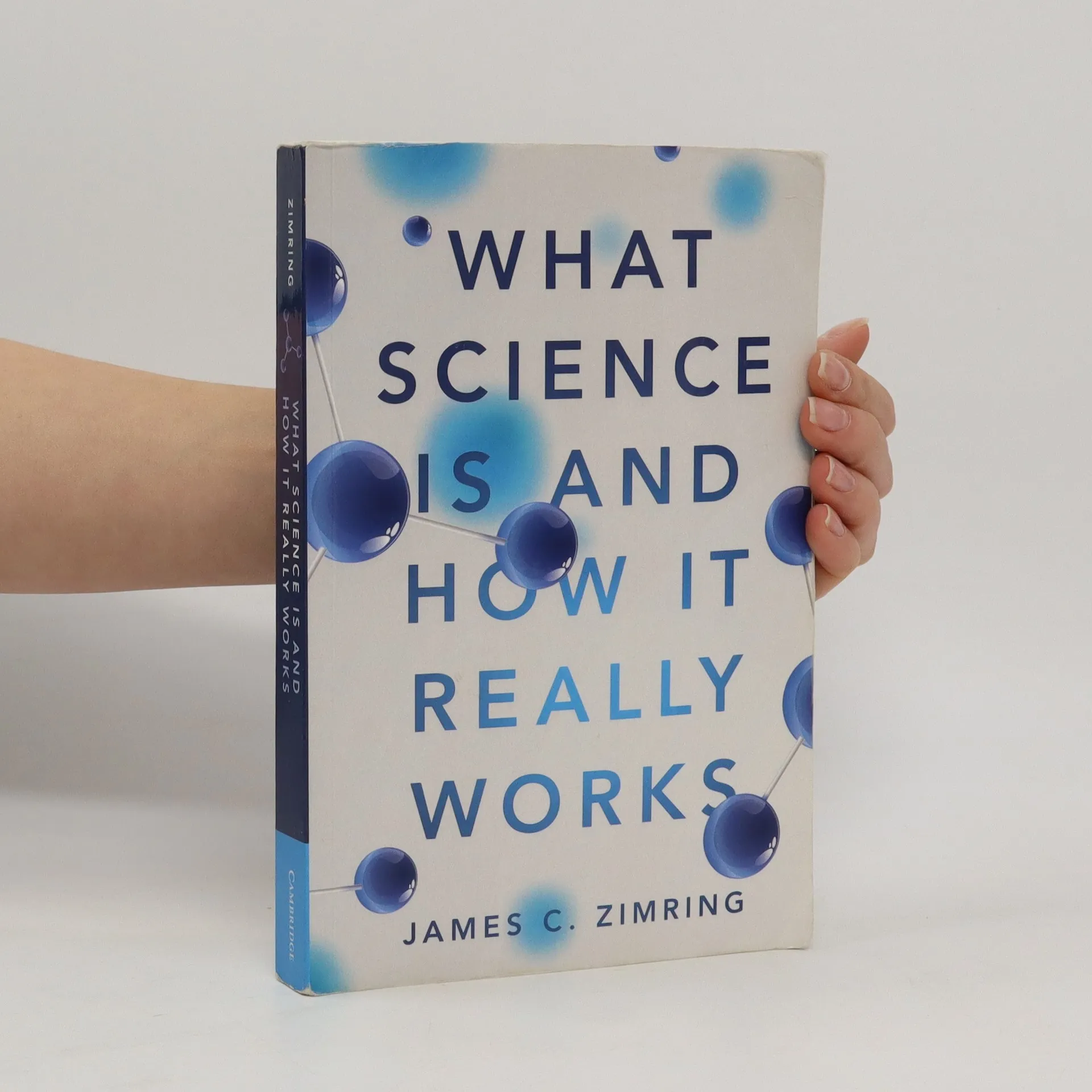
Scientific advances have transformed the world. However, science can sometimes get things wrong, and at times, disastrously so. Understanding the basis for scientific claims and judging how much confidence we should place in them is essential for individual choice, societal debates, and development of public policy and laws. We must ask: what is the basis of scientific claims? How much confidence should we put in them? What is defined as science and what is not? This book synthesizes a working definition of science and its properties, as explained through the eyes of a practicing scientist, by integrating advances from philosophy, psychology, history, sociology, and anthropology into a holistic view. Crucial in our political climate, the book fights the myths of science often portrayed to the public. Written for a general audience, it also enables students to better grasp methodologies and helps professional scientists to articulate what they do and why.
Zakup książki
What science is and how it really works, James C. Zimring
- Język

- Rok wydania
- 2019
- Oprawa
- (miękka)
Metody płatności
Brakuje nam tutaj Twojej recenzji.
- Tytuł
- What science is and how it really works
- Język
- angielski
- Autorzy
- James C. Zimring
- Wydawca
- Cambridge University Press
- Rok wydania
- 2019
- Oprawa
- miękka
- Liczba stron
- 408
- ISBN10
- 1108701647
- ISBN13
- 9781108701648
- Seria
- Tagi
- Nauka, Sceptycyzm
- Ocena
- 3,9 z 5
- Opis
- Scientific advances have transformed the world. However, science can sometimes get things wrong, and at times, disastrously so. Understanding the basis for scientific claims and judging how much confidence we should place in them is essential for individual choice, societal debates, and development of public policy and laws. We must ask: what is the basis of scientific claims? How much confidence should we put in them? What is defined as science and what is not? This book synthesizes a working definition of science and its properties, as explained through the eyes of a practicing scientist, by integrating advances from philosophy, psychology, history, sociology, and anthropology into a holistic view. Crucial in our political climate, the book fights the myths of science often portrayed to the public. Written for a general audience, it also enables students to better grasp methodologies and helps professional scientists to articulate what they do and why.