


Parametry
Więcej o książce
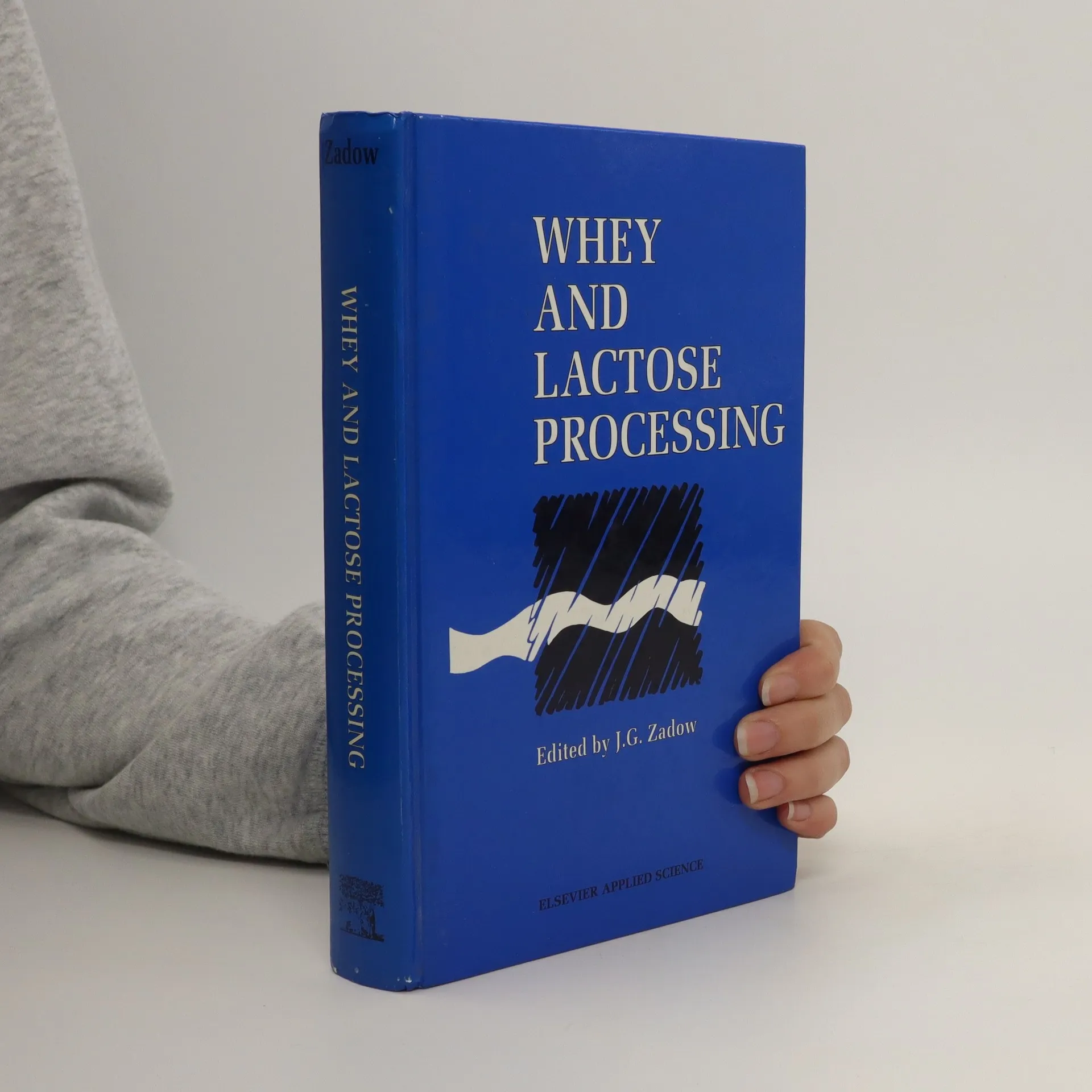
It would be difficult to imagine a more appropriate means of marking the Jubilee of the Dairy Research Laboratory, Division of Food Processing, CSIRO, than a publication on whey and lactose processing. The genesis of the Laboratory in 1939 was when the Australian dairy industry was very largely based on the supply of cream from farms to numerous butter factories, the skim milk being fed to pigs. By the mid-1940s, when Geof frey Loftus-Hills was appointed in charge ofthe fledgling Dairy Research Section, the main objective of the Section-the full utilization of the con stituents of milk for human food-had been firmly established. Over the next two decades progress towards this objective was exemplified by the scientific and technological contributions made in specialized milk powders for use in recombining and in the manufacture of casein and cheese. Meanwhile farming practices changed from cream production to the supply of refrigerated whole milk to the factories. By the late 1960s the increasing production of cheese and casein had re sulted in almost 2 million tonnes of whey per annum. This represented not only a waste disposal problem, but also under-utilization of over 100000 t of milk solids. The Laboratory had now grown to a staff of around 70, so it was possible to allocate some resources to this extra challenge."
Zakup książki
Whey and lactose processing, kolektiv
- Język

- Rok wydania
- 1992
- Oprawa
- (twarda)
Metody płatności
Nikt jeszcze nie ocenił.
- Tytuł
- Whey and lactose processing
- Język
- angielski
- Autorzy
- kolektiv
- Wydawca
- Elsevier Applied Science
- Rok wydania
- 1992
- Oprawa
- twarda
- ISBN10
- 1851667539
- ISBN13
- 9781851667536
- Seria
- Opis
- It would be difficult to imagine a more appropriate means of marking the Jubilee of the Dairy Research Laboratory, Division of Food Processing, CSIRO, than a publication on whey and lactose processing. The genesis of the Laboratory in 1939 was when the Australian dairy industry was very largely based on the supply of cream from farms to numerous butter factories, the skim milk being fed to pigs. By the mid-1940s, when Geof frey Loftus-Hills was appointed in charge ofthe fledgling Dairy Research Section, the main objective of the Section-the full utilization of the con stituents of milk for human food-had been firmly established. Over the next two decades progress towards this objective was exemplified by the scientific and technological contributions made in specialized milk powders for use in recombining and in the manufacture of casein and cheese. Meanwhile farming practices changed from cream production to the supply of refrigerated whole milk to the factories. By the late 1960s the increasing production of cheese and casein had re sulted in almost 2 million tonnes of whey per annum. This represented not only a waste disposal problem, but also under-utilization of over 100000 t of milk solids. The Laboratory had now grown to a staff of around 70, so it was possible to allocate some resources to this extra challenge."