

A little history of astro-archaeology : stages in the transformation of a heresy
A little history of astro-archaeology
Autorzy
Ocena książki
Więcej o książce
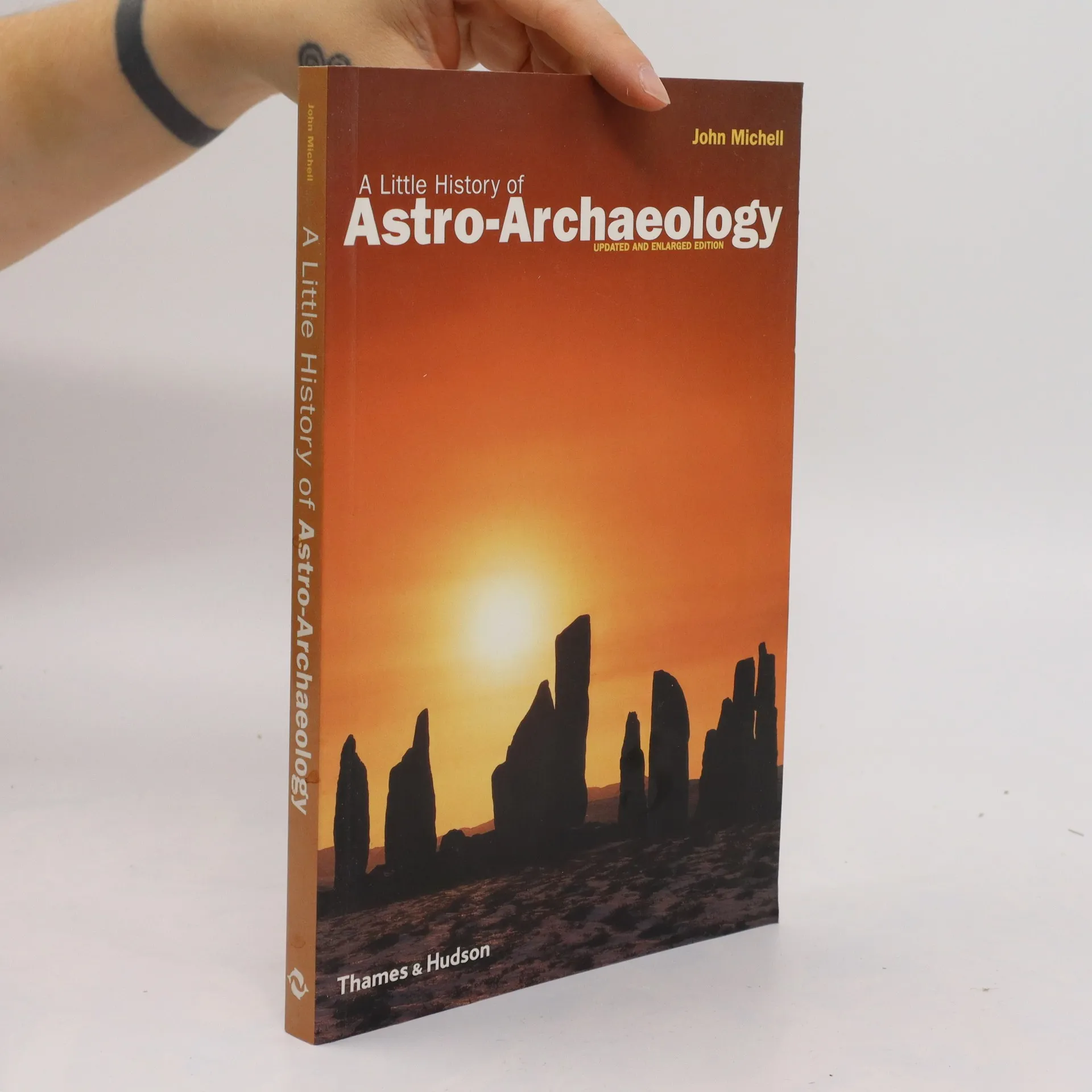
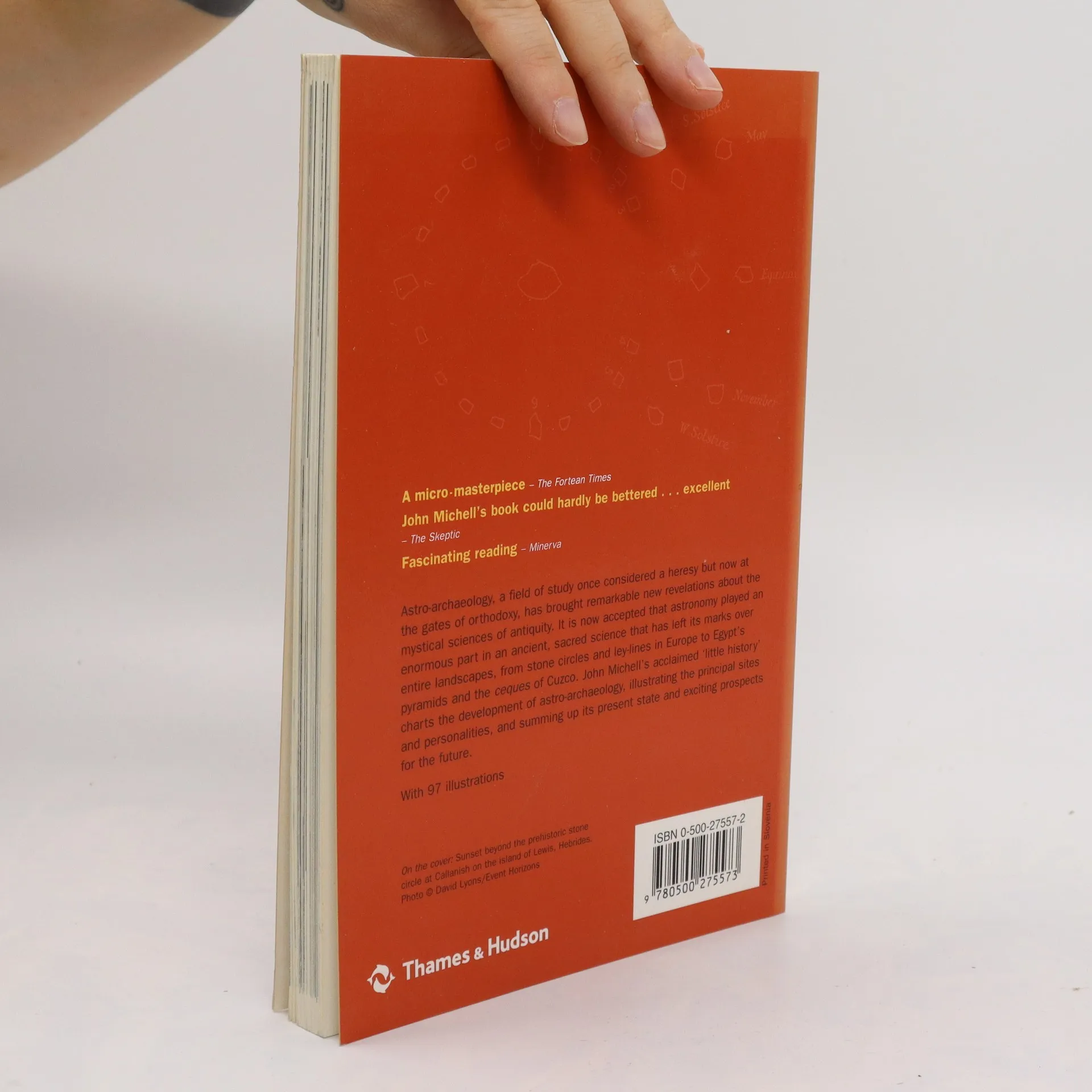
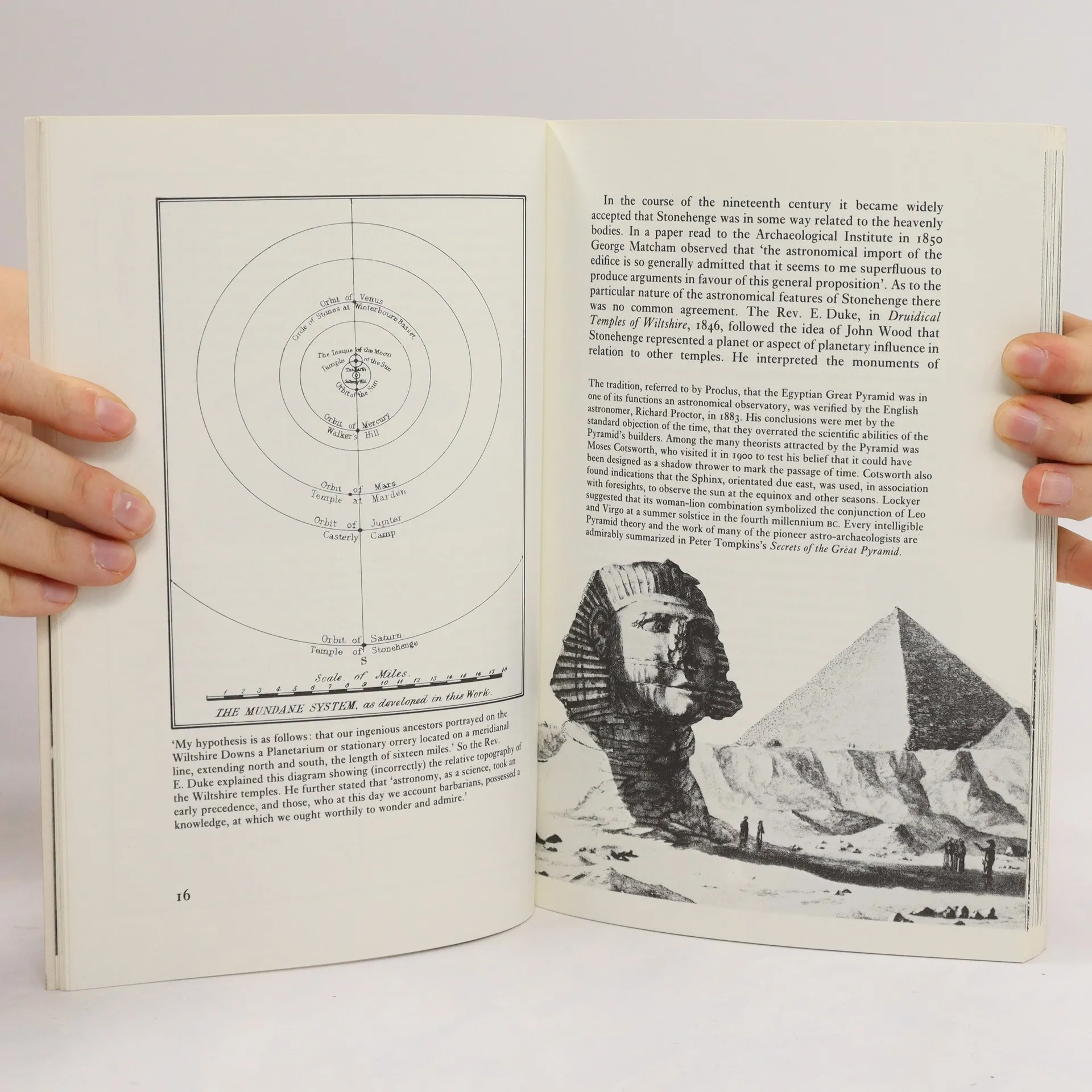
Stonehenge today is a battlefield, not only for police and festivalgoers at midsummer but also for rival camps of archaeologists, astronomers, and other researchers into the mysteries of prehistoric religion and science. Controversy flared up in 1963, when Gerald Hawkins made early use of the computer to identify Stonehenge as an observatory for the sun and moon and an instrument for predicting eclipses. Further studies of megalithic sites by Alexander Thom proved that many of them were also related to the seasonal positions of the heavenly bodies. The study of astro-archaeology has now expanded worldwide, bringing new revelations about the mystical sciences of antiquity. This "little history" summarizes the issues involved in astro-archaeology, and illustrates its principal sites and personalities. Included are recent findings of British scientists, whose records of anomalous levels of natural energies at stone circles are in accordance with the magical reputations of such places in local folklore. The present state of research and the exciting prospects for astro-archaeology in the future are summed up in the final chapter. 97 b/w illustrations. Previously published under the title Secrets of the Stones.
Zakup książki
A little history of astro-archaeology : stages in the transformation of a heresy, John F. Michell
- Język

- Rok wydania
- 2001
- Oprawa
- (miękka)
Metody płatności
Brakuje nam tutaj Twojej recenzji.
- Tytuł
- A little history of astro-archaeology : stages in the transformation of a heresy
- Podtytuł
- A little history of astro-archaeology
- Język
- angielski
- Autorzy
- John F. Michell
- Wydawca
- Thames and Hudson
- Rok wydania
- 2001
- Oprawa
- miękka
- Liczba stron
- 128
- ISBN10
- 0500275572
- ISBN13
- 9780500275573
- Seria
- Ocena
- 3,95 z 5
- Opis
- Stonehenge today is a battlefield, not only for police and festivalgoers at midsummer but also for rival camps of archaeologists, astronomers, and other researchers into the mysteries of prehistoric religion and science. Controversy flared up in 1963, when Gerald Hawkins made early use of the computer to identify Stonehenge as an observatory for the sun and moon and an instrument for predicting eclipses. Further studies of megalithic sites by Alexander Thom proved that many of them were also related to the seasonal positions of the heavenly bodies. The study of astro-archaeology has now expanded worldwide, bringing new revelations about the mystical sciences of antiquity. This "little history" summarizes the issues involved in astro-archaeology, and illustrates its principal sites and personalities. Included are recent findings of British scientists, whose records of anomalous levels of natural energies at stone circles are in accordance with the magical reputations of such places in local folklore. The present state of research and the exciting prospects for astro-archaeology in the future are summed up in the final chapter. 97 b/w illustrations. Previously published under the title Secrets of the Stones.