


Parametry
Więcej o książce
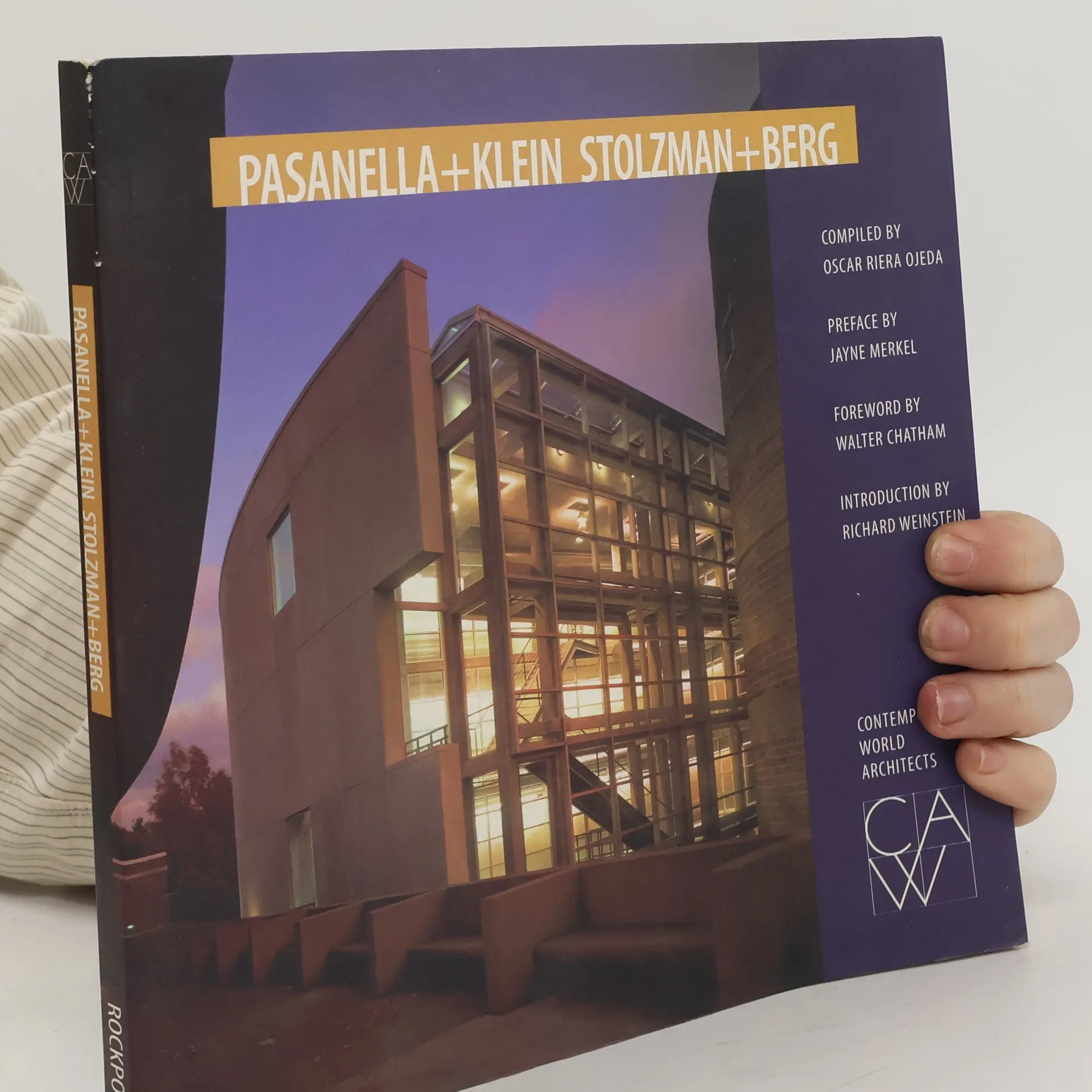
The origins of PKSB lie in the firm founded by Giovanni Pasanella in 1964. Programmatic invention, a base in humanist values, a strong formal presence, and attention to urban context characterized the office's work. The present character of the firm derived its direction from Arvid Klein, who became a partner in 1975 and maintained the values that continue to guide the work of the firm. Henry Stolzman, an early collaborator with both Pasanella and Klein, became a partner in 1986, and Wayne Berg became a partner in 1987. The more recent work of PKSB has now come into its own and has received substantial recognition in the form of awards and significant commissions. Because there has been a continuity of values underlying the work of the office in contrast to the disruption of commitment experienced by the profession at large, we would do well to understand the interaction between the projects, their aesthetic, and these values.-from the Introduction by Richard Weinstein
Zakup książki
Pasanella + Klein Stolzman + Berg, Lucas H. Guerra
- Język

- Rok wydania
- 1999
- Oprawa
- (miękka)
Metody płatności
Brakuje nam tutaj Twojej recenzji.
- Tytuł
- Pasanella + Klein Stolzman + Berg
- Język
- angielski
- Autorzy
- Lucas H. Guerra
- Wydawca
- Rockport Pub
- Rok wydania
- 1999
- Oprawa
- miękka
- ISBN10
- 1564965058
- ISBN13
- 9781564965059
- Seria
- Tagi
- Architektura
- Ocena
- 3 z 5
- Opis
- The origins of PKSB lie in the firm founded by Giovanni Pasanella in 1964. Programmatic invention, a base in humanist values, a strong formal presence, and attention to urban context characterized the office's work. The present character of the firm derived its direction from Arvid Klein, who became a partner in 1975 and maintained the values that continue to guide the work of the firm. Henry Stolzman, an early collaborator with both Pasanella and Klein, became a partner in 1986, and Wayne Berg became a partner in 1987. The more recent work of PKSB has now come into its own and has received substantial recognition in the form of awards and significant commissions. Because there has been a continuity of values underlying the work of the office in contrast to the disruption of commitment experienced by the profession at large, we would do well to understand the interaction between the projects, their aesthetic, and these values.-from the Introduction by Richard Weinstein