



Więcej o książce
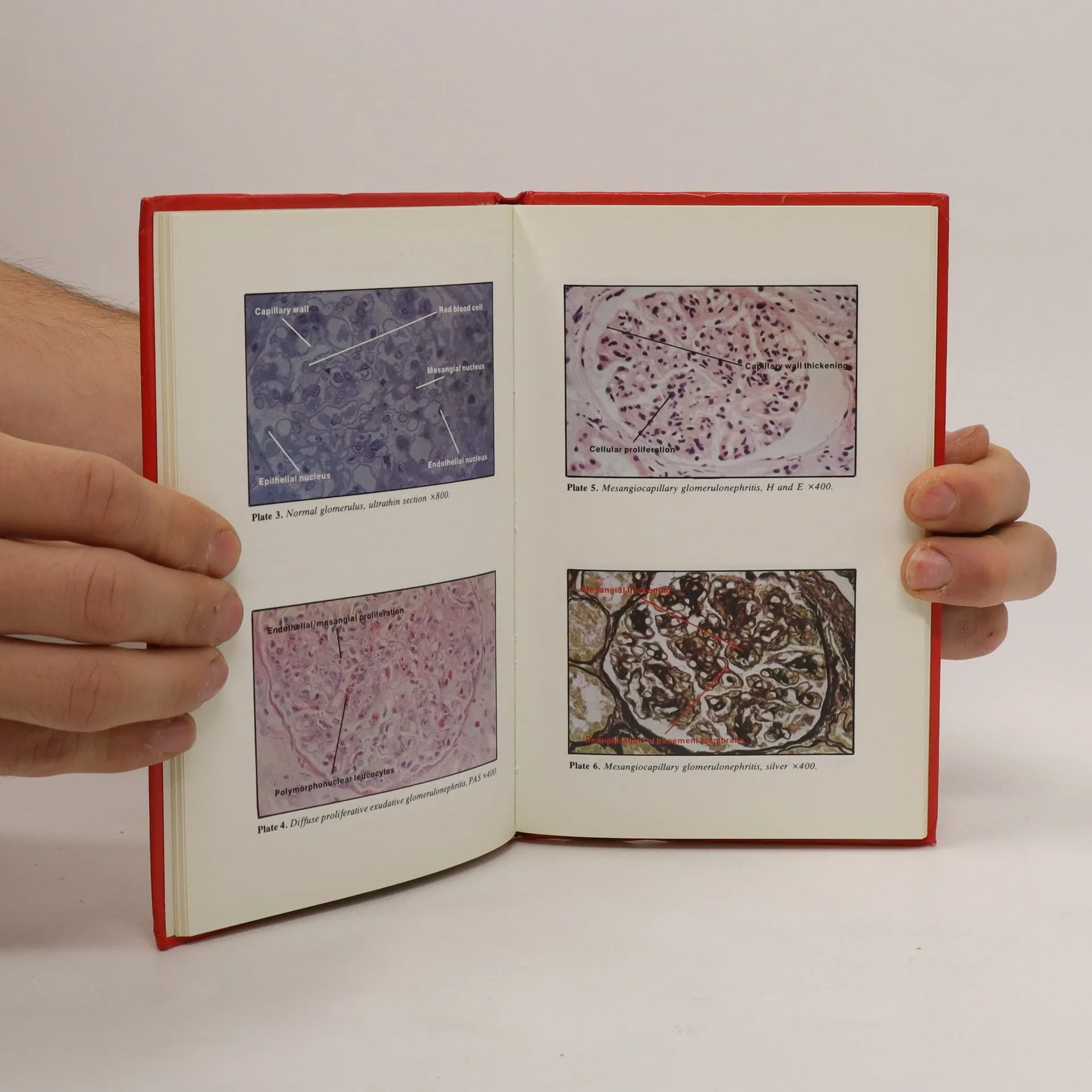
End-stage renal failure in one-third of patients on haemodialysis or kidney transplantation is often due to various glomerular diseases. While less severe glomerular disorders are more common, they can cause undue concern for both patients and doctors. Clinical features may arise from a range of pathological lesions, necessitating renal biopsy for accurate diagnosis. The increased use of biopsies over the past two decades has facilitated clinicopathological correlations and clarified the natural history of many glomerulopathies, although significant uncertainties persist. Unlike symptomatic treatments for conditions like uraemia or nephrotic syndrome, the efficacy of therapies aimed at halting the progression of glomerular lesions remains contentious and largely anecdotal. Understanding renal pathology is crucial for identifying when immunosuppressive therapy is warranted versus when conditions are benign or self-limiting. This work details symptomatic management of clinical syndromes while firmly classifying them based on renal histological appearances. It also discusses the importance of immunofluorescent microscopy, ultrathin section examination, and electron microscopy in understanding pathogenesis and their role in morphological discrimination.
Zakup książki
Renal glomerular diseases, Paul Sharpstone, J. A. P. Trafford
- Język

- Rok wydania
- 1981
- Oprawa
- (twarda)
Metody płatności
Nikt jeszcze nie ocenił.
- Tytuł
- Renal glomerular diseases
- Język
- angielski
- Autorzy
- Paul Sharpstone, J. A. P. Trafford
- Wydawca
- MTP Press Limited
- Rok wydania
- 1981
- Oprawa
- twarda
- Liczba stron
- 83
- ISBN10
- 0852004222
- ISBN13
- 9780852004227
- Seria
- Kolekcja
- Topics in renal disease
- Kategorie
- Opis
- End-stage renal failure in one-third of patients on haemodialysis or kidney transplantation is often due to various glomerular diseases. While less severe glomerular disorders are more common, they can cause undue concern for both patients and doctors. Clinical features may arise from a range of pathological lesions, necessitating renal biopsy for accurate diagnosis. The increased use of biopsies over the past two decades has facilitated clinicopathological correlations and clarified the natural history of many glomerulopathies, although significant uncertainties persist. Unlike symptomatic treatments for conditions like uraemia or nephrotic syndrome, the efficacy of therapies aimed at halting the progression of glomerular lesions remains contentious and largely anecdotal. Understanding renal pathology is crucial for identifying when immunosuppressive therapy is warranted versus when conditions are benign or self-limiting. This work details symptomatic management of clinical syndromes while firmly classifying them based on renal histological appearances. It also discusses the importance of immunofluorescent microscopy, ultrathin section examination, and electron microscopy in understanding pathogenesis and their role in morphological discrimination.