

Więcej o książce
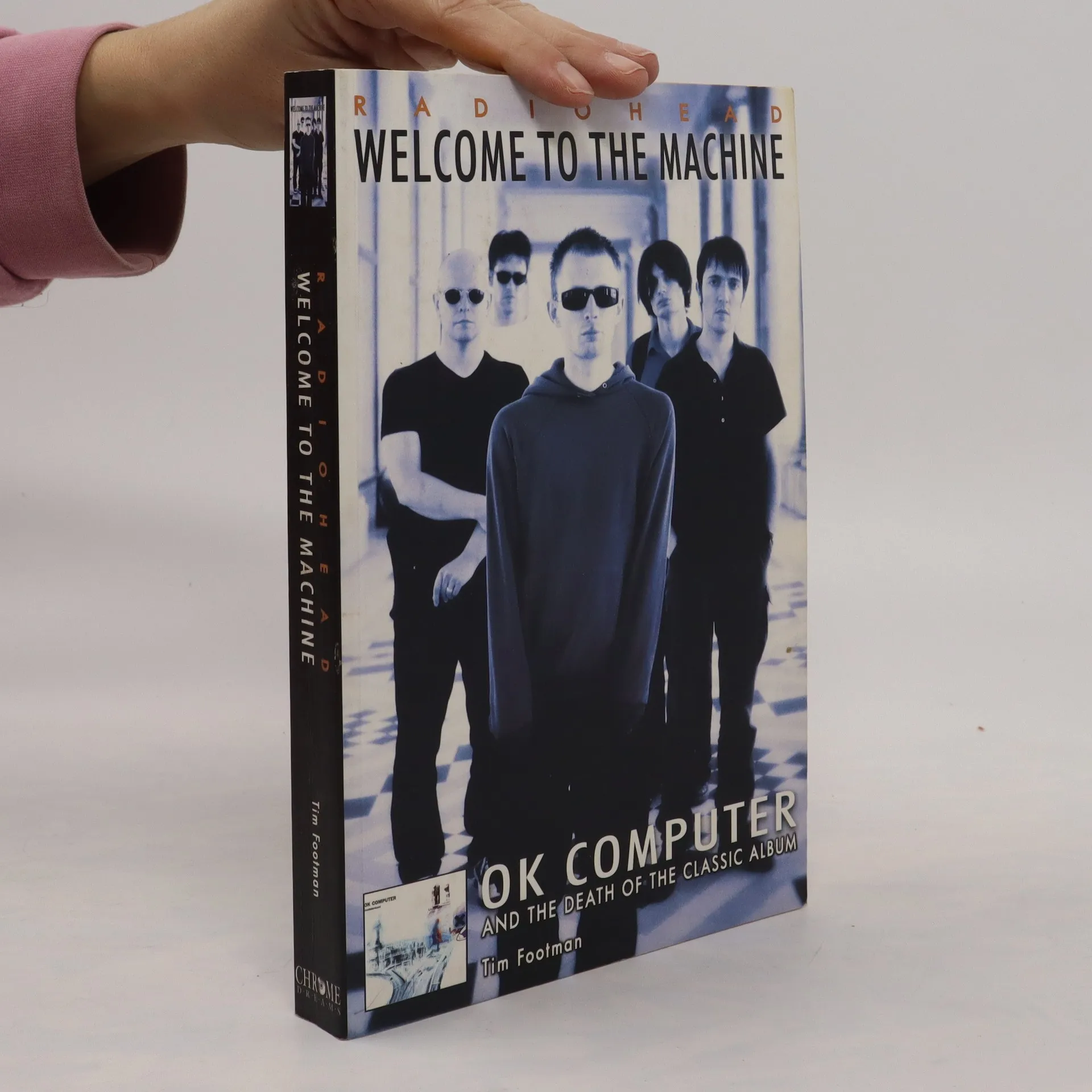
Considered one of the defining albums of the 1990s, Radiohead’s OK Computer was released at a pivotal point in music history—during one of the last years when an album was meant to be listened to in its entirety and songs were not yet available for individual download. This guide provides track-by-track dissection of every song produced during the OK Computer recording sessions, including B-sides, and illustrates how the 1997 album is a collection of songs purposefully placed next to one another. Themes prevalent on the album—such as fear of the new millennium, paranoia, political sloganeering, and suicide—and its artistic and political influences are explored, while discussions of the state of the music industry during the album’s release provide rare insight into the improbability of a similarly phenomenal record ever being created.
Zakup książki
Welcome to the Machine, Tim Footman
- Język

- Rok wydania
- 2007
- Oprawa
- (miękka)
Metody płatności
Brakuje nam tutaj Twojej recenzji.
- Tytuł
- Welcome to the Machine
- Podtytuł
- OK Computer and the Death of the Classic Album
- Język
- angielski
- Autorzy
- Tim Footman
- Wydawca
- Chrome Dreams
- Rok wydania
- 2007
- Oprawa
- miękka
- Liczba stron
- 288
- ISBN10
- 1842403885
- ISBN13
- 9781842403884
- Seria
- Ocena
- 3,45 z 5
- Opis
- Considered one of the defining albums of the 1990s, Radiohead’s OK Computer was released at a pivotal point in music history—during one of the last years when an album was meant to be listened to in its entirety and songs were not yet available for individual download. This guide provides track-by-track dissection of every song produced during the OK Computer recording sessions, including B-sides, and illustrates how the 1997 album is a collection of songs purposefully placed next to one another. Themes prevalent on the album—such as fear of the new millennium, paranoia, political sloganeering, and suicide—and its artistic and political influences are explored, while discussions of the state of the music industry during the album’s release provide rare insight into the improbability of a similarly phenomenal record ever being created.