


Więcej o książce
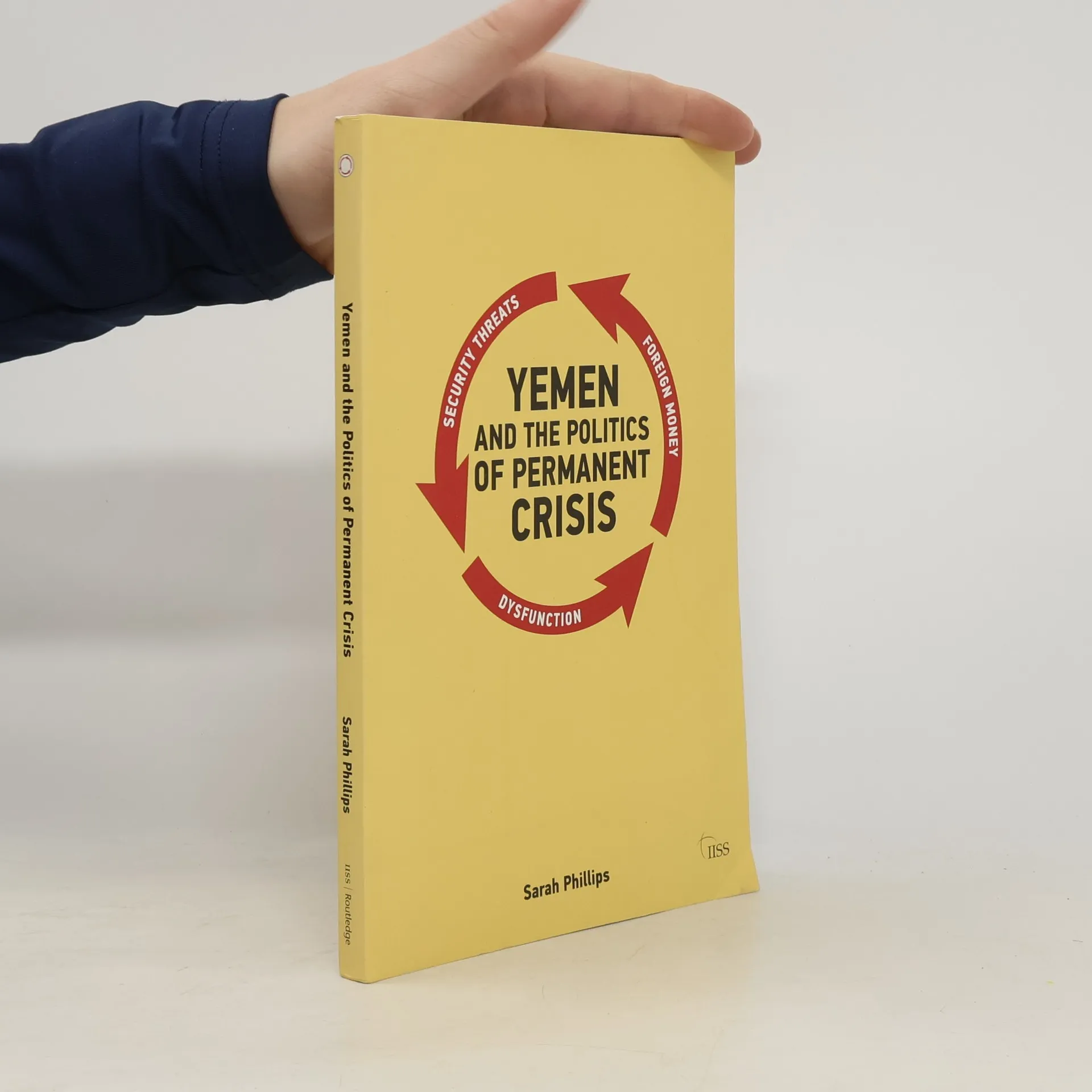
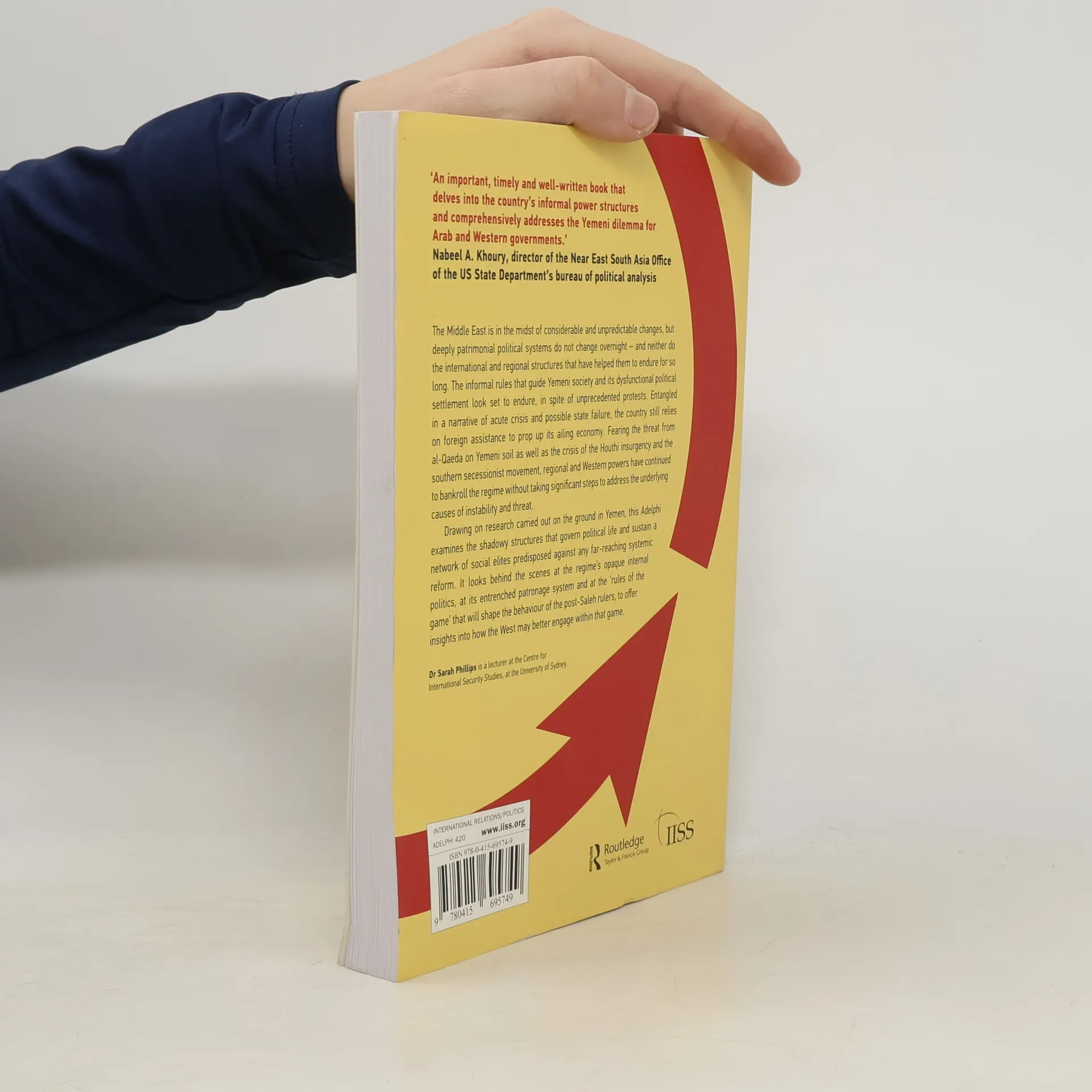
The Middle East is in the midst of considerable and unpredictable changes, but deeply patrimonial political systems do not change overnight -- and neither do the international and regional structures that have helped them to endure for so long. The informal rules that guide Yemeni society and its dysfunctional political settlement look set to endure, in spite of unprecedented protests. Entangled in a narrative of acute crisis and possible state failure, the country still relies on foreign assistance to prop up its ailing economy. Fearing the threat from al-Qaeda on Yemeni soil as well as the crisis of the Houthi insurgency and the southern secessionist movement, regional and Western powers have continued to bankroll the regime without taking significant steps to address the underlying causes of instability and threat. Drawing on research carried out on the ground in Yemen, this Adelphi examines the shadowy structures that govern political life and sustain a network of social elites predisposed against any far-reaching systemic reform. It looks behind the scenes at the regime's opaque internal politics, at its entrenched patronage system and at the 'rules of the game' that will shape the behaviour of the post-Saleh rulers, to offer insights for how the West may better engage within that game
Zakup książki
Yemen and the Politics of Permanent Crisis, Sarah Phillips
- Język

- Rok wydania
- 2011
- Oprawa
- (miękka)
Metody płatności
Brakuje nam tutaj Twojej recenzji.
- Tytuł
- Yemen and the Politics of Permanent Crisis
- Język
- angielski
- Autorzy
- Sarah Phillips
- Wydawca
- Taylor & Francis
- Rok wydania
- 2011
- Oprawa
- miękka
- Liczba stron
- 167
- ISBN13
- 9780415695749
- Seria
- Tagi
- Polityka, Terroryzm, Wojna domowa, Jemen, Al-Kaida
- Ocena
- 3,95 z 5
- Opis
- The Middle East is in the midst of considerable and unpredictable changes, but deeply patrimonial political systems do not change overnight -- and neither do the international and regional structures that have helped them to endure for so long. The informal rules that guide Yemeni society and its dysfunctional political settlement look set to endure, in spite of unprecedented protests. Entangled in a narrative of acute crisis and possible state failure, the country still relies on foreign assistance to prop up its ailing economy. Fearing the threat from al-Qaeda on Yemeni soil as well as the crisis of the Houthi insurgency and the southern secessionist movement, regional and Western powers have continued to bankroll the regime without taking significant steps to address the underlying causes of instability and threat. Drawing on research carried out on the ground in Yemen, this Adelphi examines the shadowy structures that govern political life and sustain a network of social elites predisposed against any far-reaching systemic reform. It looks behind the scenes at the regime's opaque internal politics, at its entrenched patronage system and at the 'rules of the game' that will shape the behaviour of the post-Saleh rulers, to offer insights for how the West may better engage within that game