

Więcej o książce
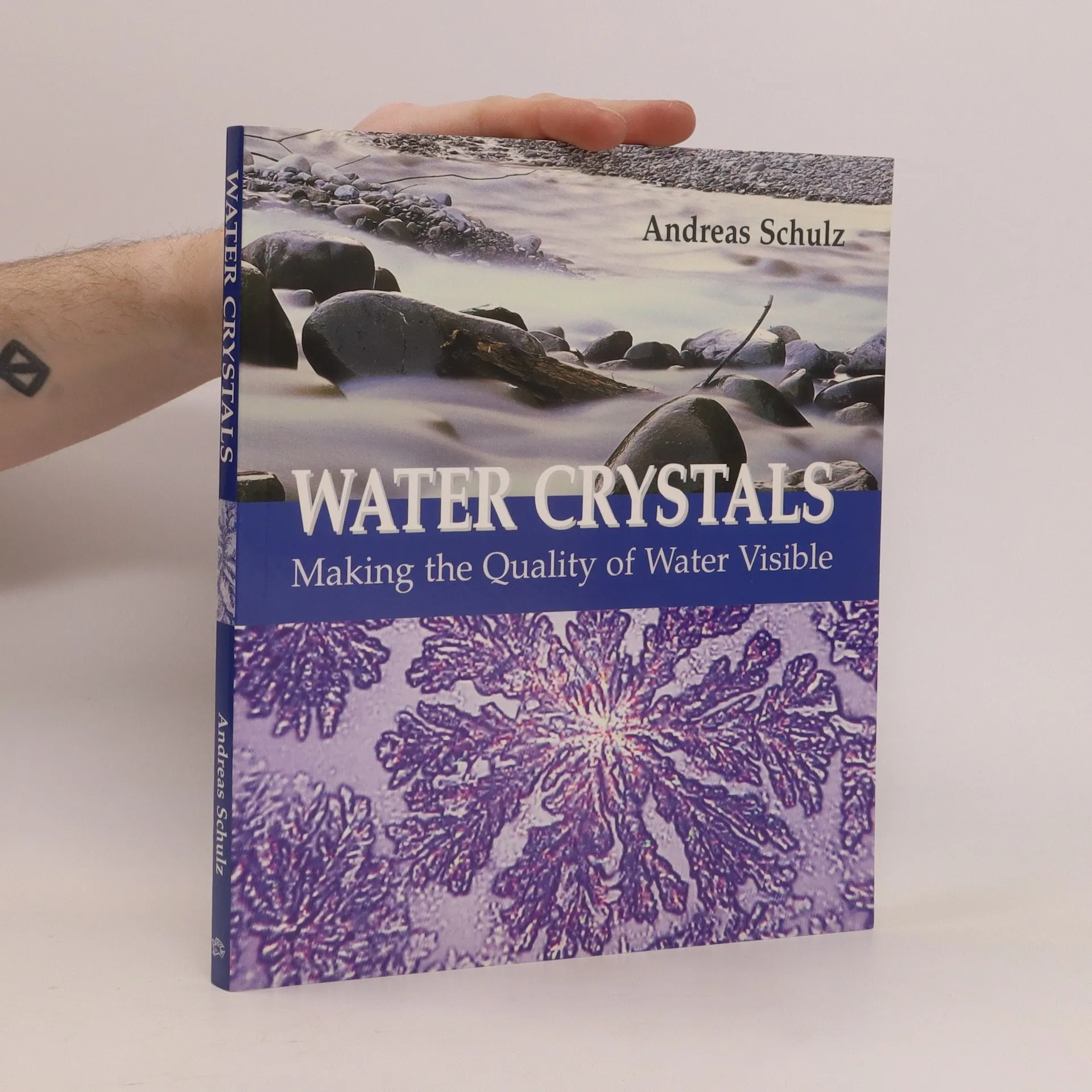
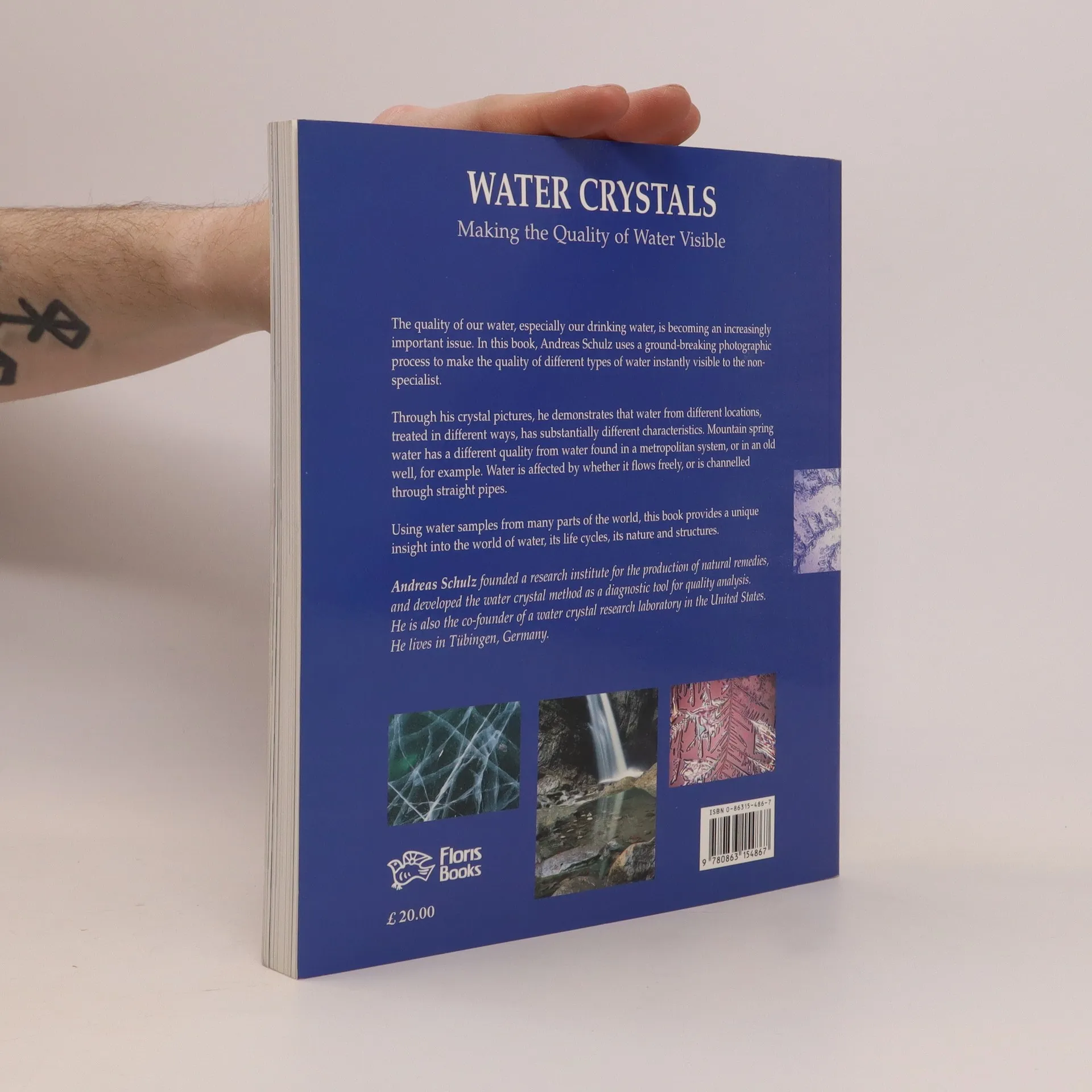
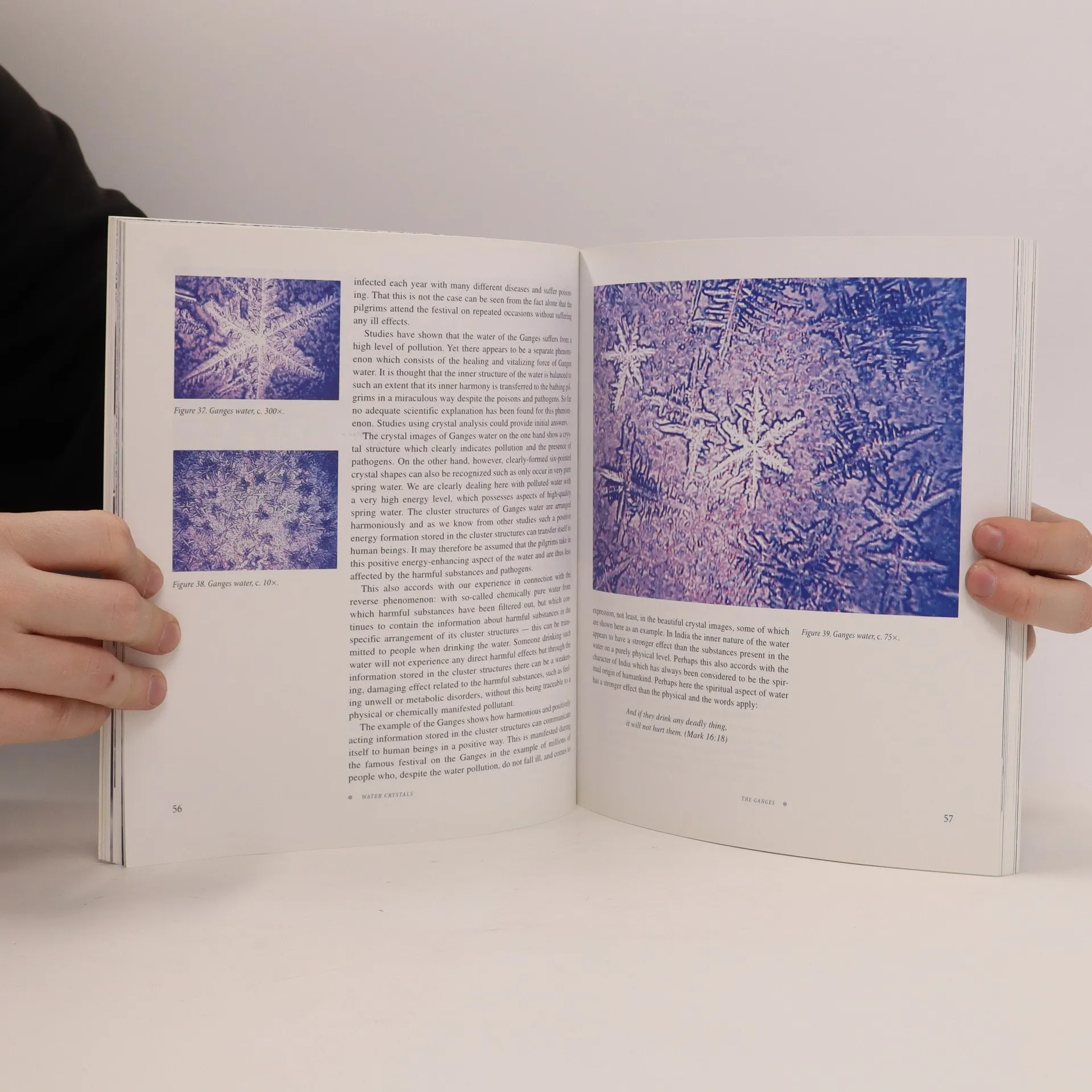
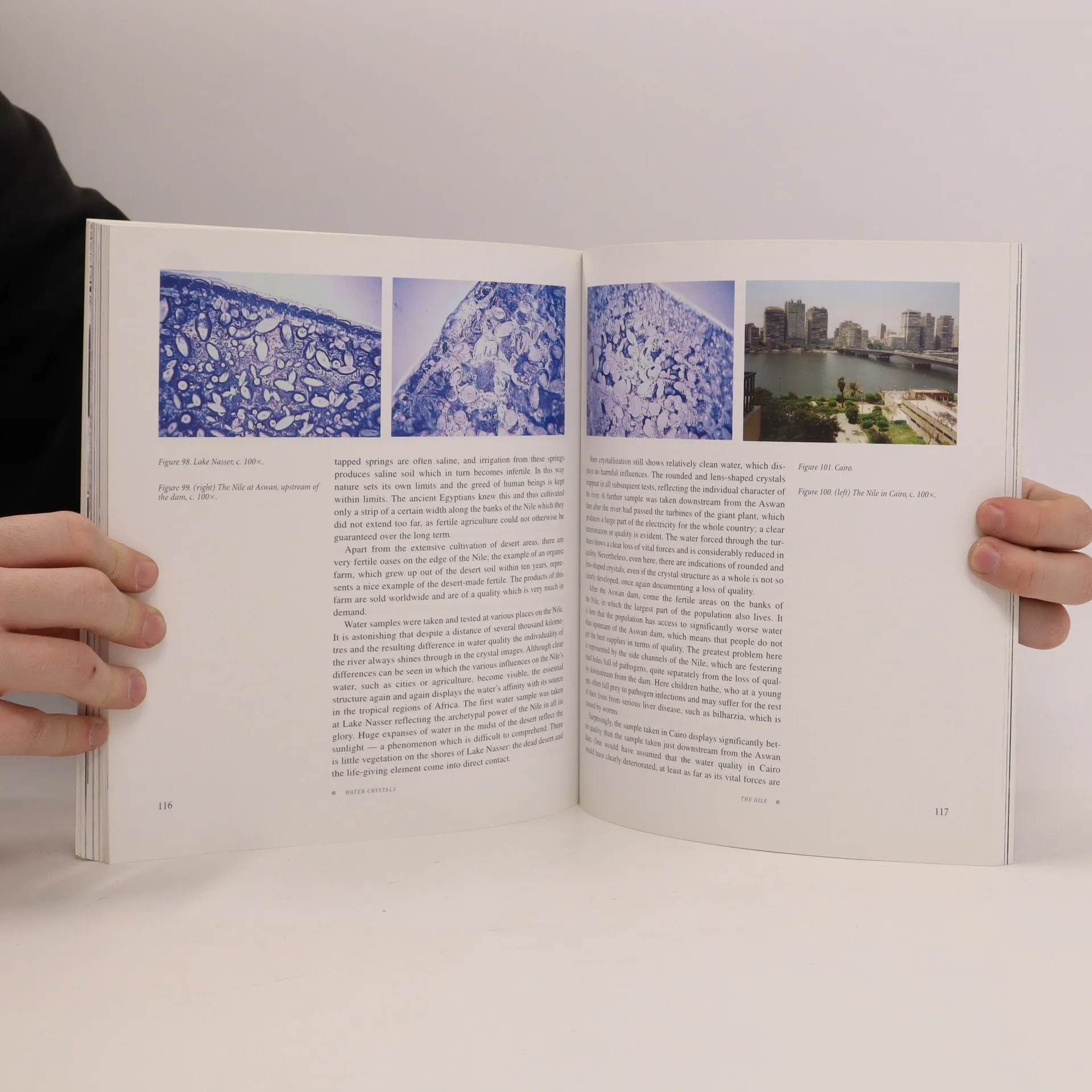
The book is written in straightforward language, offering valuable insights into water quality and its global significance. It transcends scientific discourse by exploring the energy content of water and its almost spiritual influences, emphasizing water as the ultimate life force. Building on the research of Viktor Schauberger and Johann Grander, it introduces a new photographic process that enhances understanding of water's qualities. The techniques developed by Schulz and others, including Masaru Emoto, hold universal importance, potentially motivating global action on water issues, not just in terms of equitable access but also regarding its inherent quality as a vital medium for life. The book is enriched with stunning color photographs that illustrate water's ability to reflect the essence of substances. Schulz's scientific exploration and his travels to examine various waters are captivating. Readers find themselves deeply engaged, often consuming the book in one sitting, as it profoundly satisfies their curiosity and thirst for knowledge about this essential resource.
Zakup książki
Water Crystals, Andreas Schulz
- Język

- Rok wydania
- 2005
- Oprawa
- (miękka)
Metody płatności
Brakuje nam tutaj Twojej recenzji.
- Tytuł
- Water Crystals
- Język
- angielski
- Autorzy
- Andreas Schulz
- Wydawca
- Floris Books
- Rok wydania
- 2005
- Oprawa
- miękka
- Liczba stron
- 187
- ISBN10
- 0863154867
- ISBN13
- 9780863154867
- Seria
- Kategorie
- Tagi
- Ocena
- 5 z 5
- Opis
- The book is written in straightforward language, offering valuable insights into water quality and its global significance. It transcends scientific discourse by exploring the energy content of water and its almost spiritual influences, emphasizing water as the ultimate life force. Building on the research of Viktor Schauberger and Johann Grander, it introduces a new photographic process that enhances understanding of water's qualities. The techniques developed by Schulz and others, including Masaru Emoto, hold universal importance, potentially motivating global action on water issues, not just in terms of equitable access but also regarding its inherent quality as a vital medium for life. The book is enriched with stunning color photographs that illustrate water's ability to reflect the essence of substances. Schulz's scientific exploration and his travels to examine various waters are captivating. Readers find themselves deeply engaged, often consuming the book in one sitting, as it profoundly satisfies their curiosity and thirst for knowledge about this essential resource.