



Więcej o książce
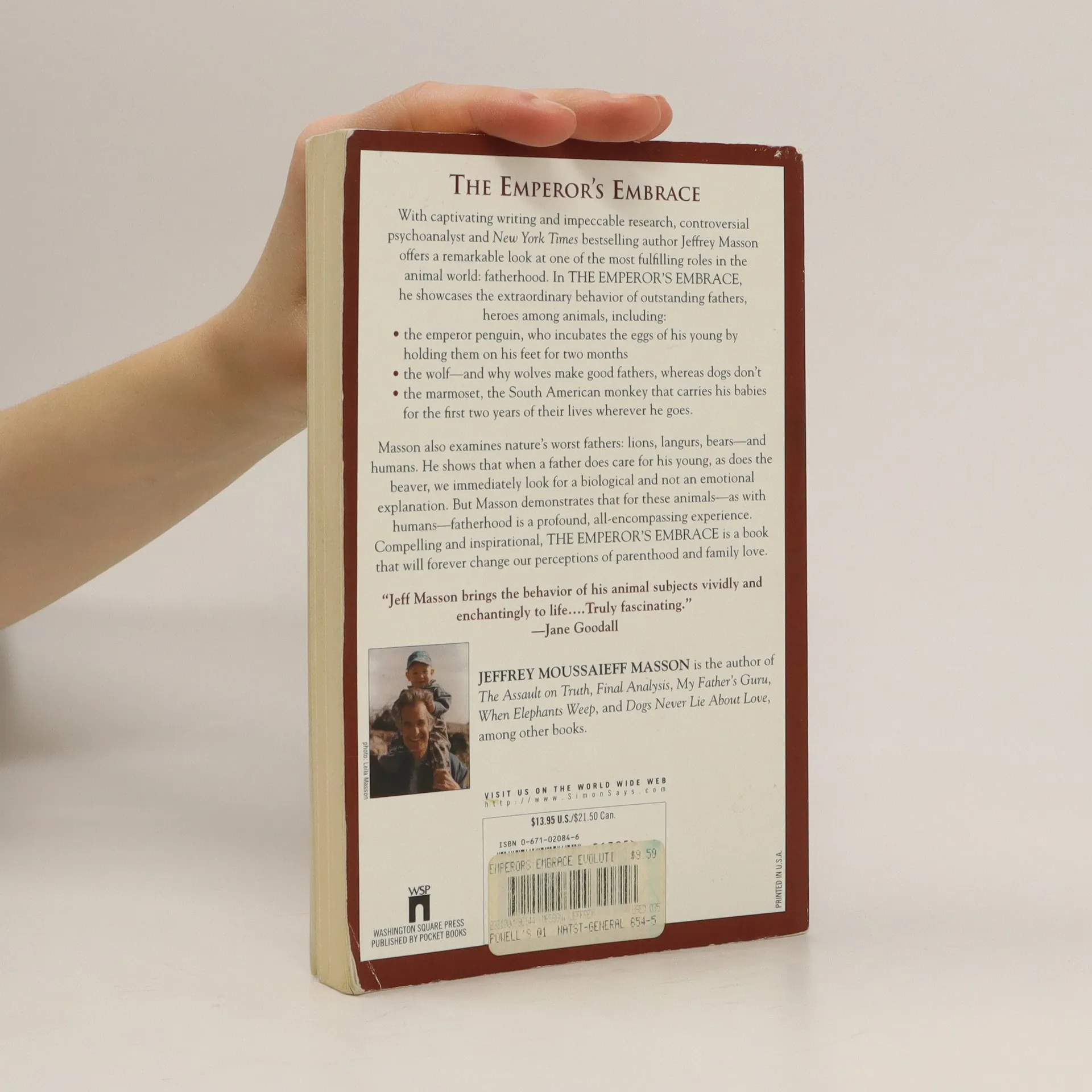
With fascinating insight, impeccable research, and captivating writing, controversial psychoanalyst Jeffrey Masson introduces us to the world's best dads. Masson showcases the extraordinary behavior of outstanding fathers, heroes among animals, including: the wolf, who exemplifies good fathering; the beaver, who encourages his young to cling to his tail as he navigates through ponds; the sea horse, the only male animal that gives birth; and the marmoset, the South American monkey who carries his babies for the first two years of their lives wherever he goes. Masson also examines nature's worst fathers: lions, langurs, bears, and humans. He explains that when a father does care for his young, as with the beaver, we immediately look for a biological and not an emotional explanation. But Masson demonstrates that for these animals, as with humans, fatherhood is a profound, all-encompassing experience. "The Emperor's Embrace" will forever change our perceptions of parenthood and family love.
Zakup książki
The Emperor's Embrace, J. Moussaieff Masson
- Język

- Rok wydania
- 2001
- Oprawa
- (miękka)
Metody płatności
Brakuje nam tutaj Twojej recenzji.
- Tytuł
- The Emperor's Embrace
- Język
- angielski
- Autorzy
- J. Moussaieff Masson
- Wydawca
- Simon and Schuster
- Rok wydania
- 2001
- Oprawa
- miękka
- Liczba stron
- 352
- ISBN10
- 0743417801
- ISBN13
- 9780743417808
- Seria
- Kategorie
- Ocena
- 2 z 5
- Opis
- With fascinating insight, impeccable research, and captivating writing, controversial psychoanalyst Jeffrey Masson introduces us to the world's best dads. Masson showcases the extraordinary behavior of outstanding fathers, heroes among animals, including: the wolf, who exemplifies good fathering; the beaver, who encourages his young to cling to his tail as he navigates through ponds; the sea horse, the only male animal that gives birth; and the marmoset, the South American monkey who carries his babies for the first two years of their lives wherever he goes. Masson also examines nature's worst fathers: lions, langurs, bears, and humans. He explains that when a father does care for his young, as with the beaver, we immediately look for a biological and not an emotional explanation. But Masson demonstrates that for these animals, as with humans, fatherhood is a profound, all-encompassing experience. "The Emperor's Embrace" will forever change our perceptions of parenthood and family love.