


Więcej o książce
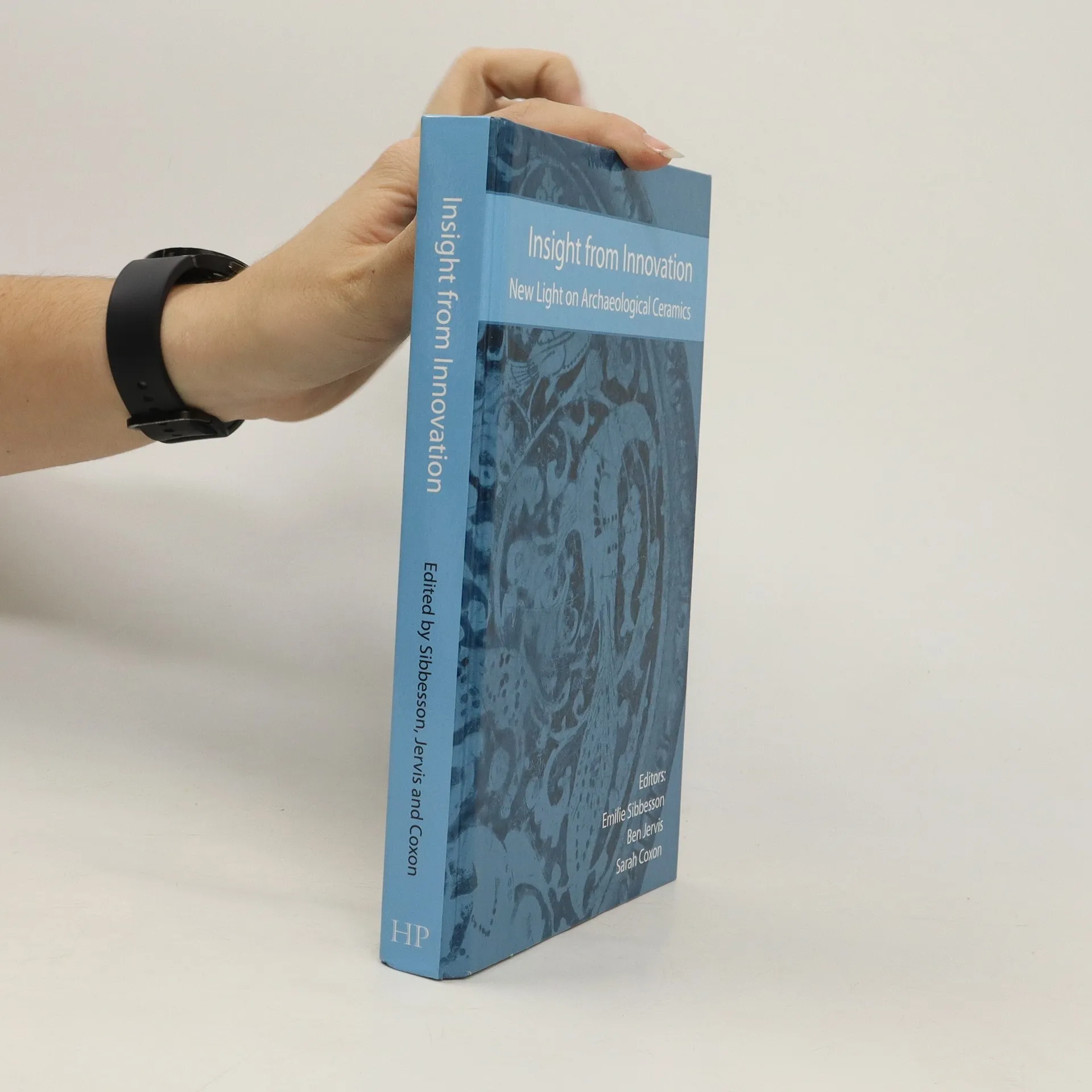
This collection of papers is presented in honour of Professor David Peacock's many and lasting contributions to archaeological ceramic studies. Building on Professor Peacock's legacy of inventive approaches, the volume contains some of the most exciting developments currently taking place within archaeological ceramic studies, including cutting-edge provenanceing techniques, computer-aided visualisations, and contemporary craft and design perspectives. Pottery is approached not as an end to itself but as a vehicle for addressing a wide range of archaeological questions, and the papers thereby demonstrate that ceramic studies represent one of the frontiers in modern-day archaeology. Developing new techniques and finding new uses for old ones open up avenues for research which will enrich our understanding of past societies across the world and through all periods. The volume closes with two thought-provoking papers; one from a ceramic artist and the other reflecting upon the role of ceramic studies in the various sectors of contemporary archaeological practice.
Zakup książki
Insight from Innovation, Emilie Sibbesson, Ben Jervis, Sarah Coxon, D. P. S. Peacock
- Język

- Rok wydania
- 2016
- Oprawa
- (twarda)
Metody płatności
Nikt jeszcze nie ocenił.
- Tytuł
- Insight from Innovation
- Język
- angielski
- Rok wydania
- 2016
- Oprawa
- twarda
- Liczba stron
- 277
- ISBN10
- 0992633648
- ISBN13
- 9780992633646
- Seria
- Tagi
- Architektura
- Opis
- This collection of papers is presented in honour of Professor David Peacock's many and lasting contributions to archaeological ceramic studies. Building on Professor Peacock's legacy of inventive approaches, the volume contains some of the most exciting developments currently taking place within archaeological ceramic studies, including cutting-edge provenanceing techniques, computer-aided visualisations, and contemporary craft and design perspectives. Pottery is approached not as an end to itself but as a vehicle for addressing a wide range of archaeological questions, and the papers thereby demonstrate that ceramic studies represent one of the frontiers in modern-day archaeology. Developing new techniques and finding new uses for old ones open up avenues for research which will enrich our understanding of past societies across the world and through all periods. The volume closes with two thought-provoking papers; one from a ceramic artist and the other reflecting upon the role of ceramic studies in the various sectors of contemporary archaeological practice.