

Więcej o książce
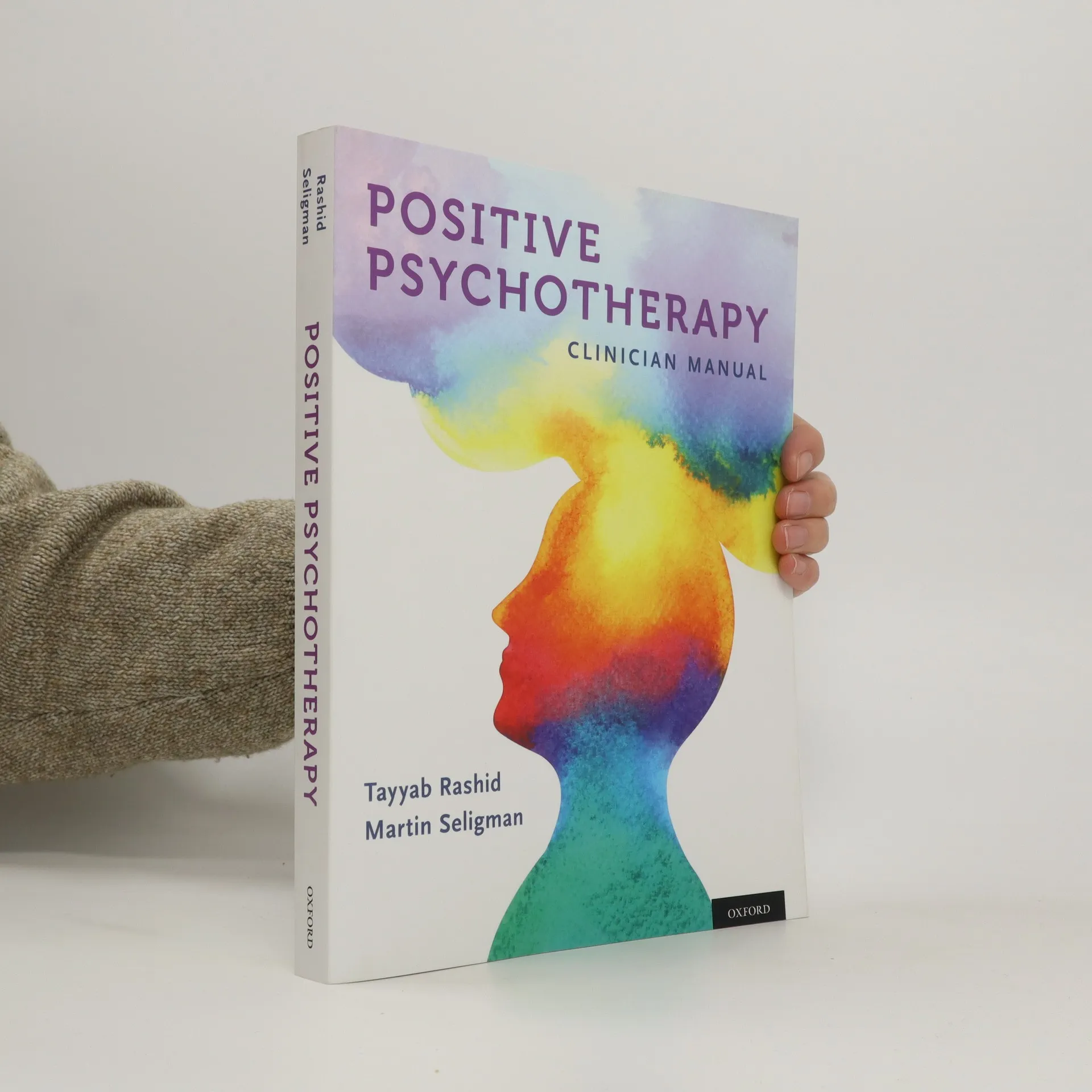
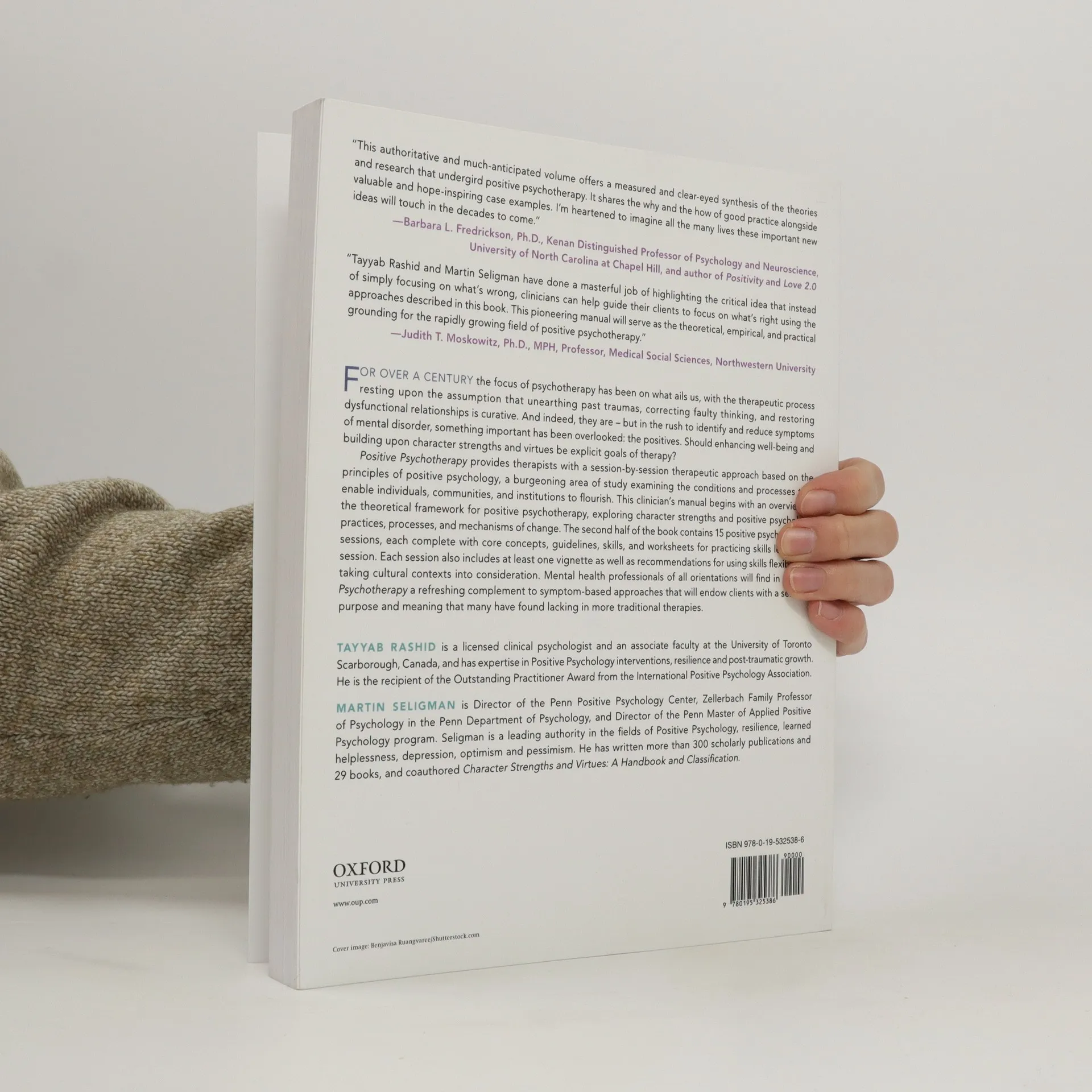
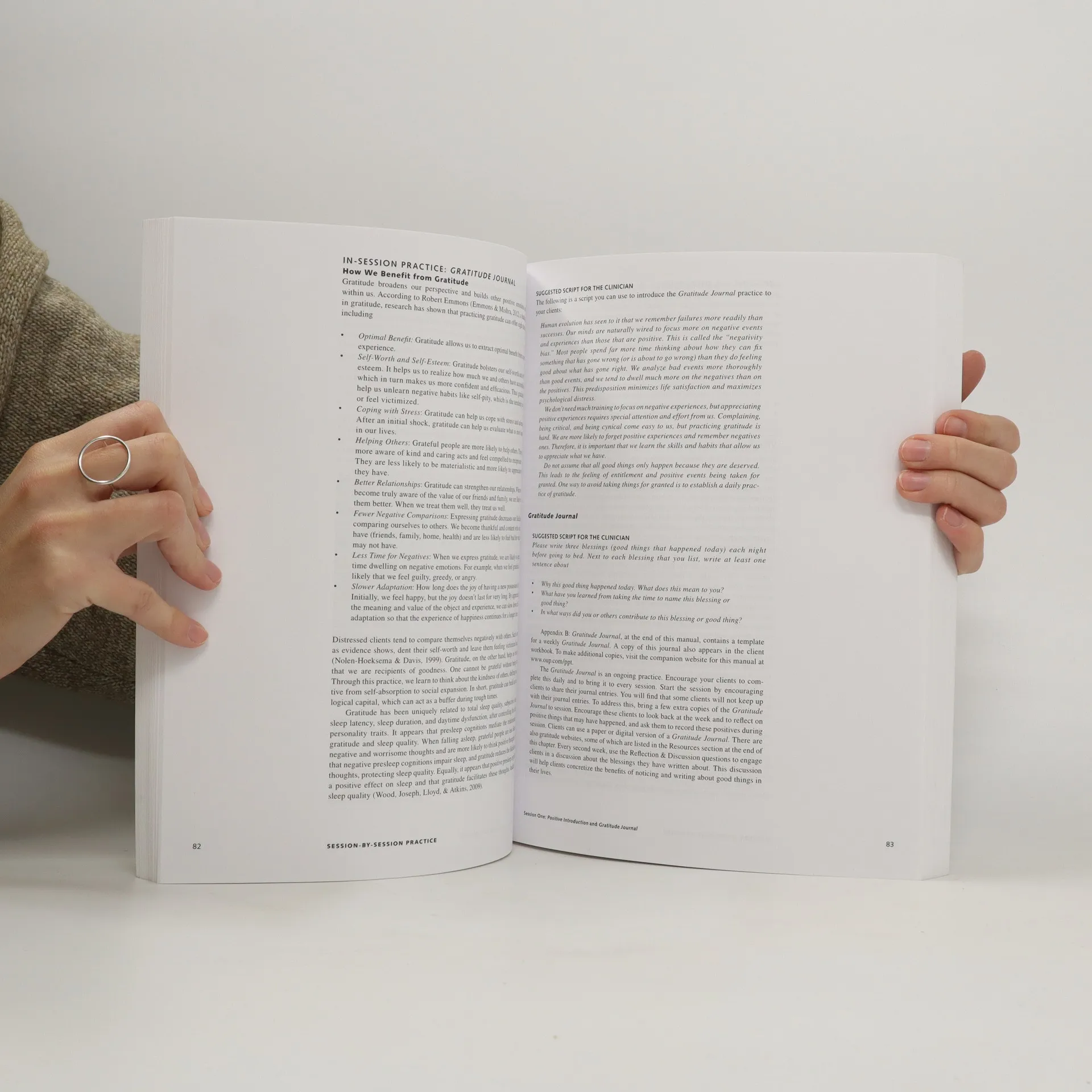
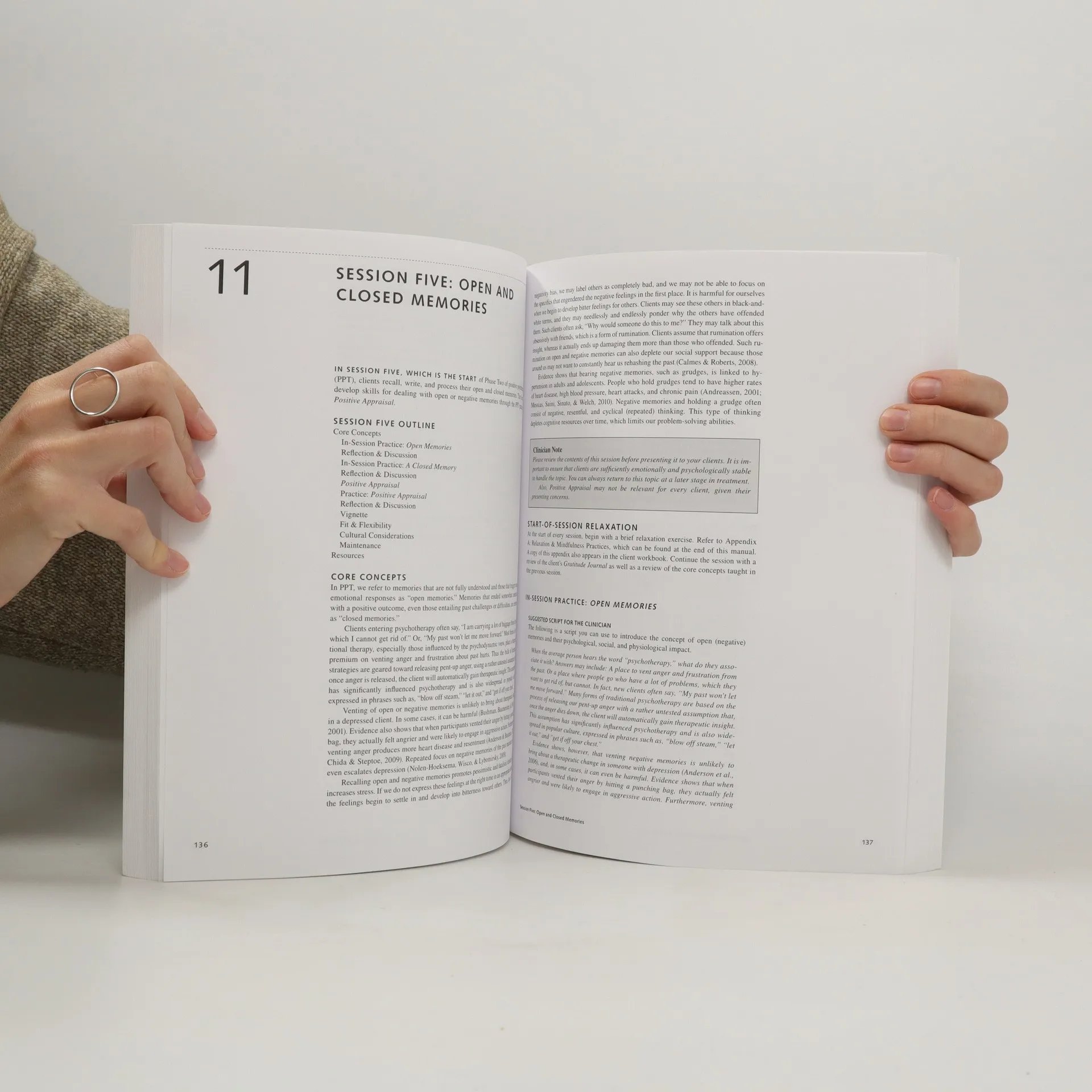
Positive Psychotherapy provides therapists with a session-by-session therapeutic approach based on the principles of positive psychology, a burgeoning area of study examining the conditions and processes that enable individuals, communities, and institutions to flourish. This clinician's manual begins with an overview of the theoretical framework for positive psychotherapy, exploring character strengths and positive psychology practices, processes, and mechanisms of change. The second half of the book contains 15 positive psychotherapy sessions, each complete with core concepts, guidelines, skills, and worksheets for practicing skills learned in session. Each session also includes at least one vignette as well as recommendations for using skills flexibly and taking cultural contexts into consideration. Mental health professionals of all orientations will find in Positive Psychotherapy a refreshing complement to symptom-based approaches that will endow clients with a sense of purpose and meaning that many have found lacking in more traditional therapies
Zakup książki
Positive psychotherapy : clinician manual, Tayyab Rashid, Martin E. P. Seligman
- Język

- Rok wydania
- 2018
- Oprawa
- (miękka)
Metody płatności
Brakuje nam tutaj Twojej recenzji.
- Tytuł
- Positive psychotherapy : clinician manual
- Język
- angielski
- Autorzy
- Tayyab Rashid, Martin E. P. Seligman
- Wydawca
- Oxford University Press
- Rok wydania
- 2018
- Oprawa
- miękka
- Liczba stron
- 376
- ISBN10
- 0195325389
- ISBN13
- 9780195325386
- Seria
- Tagi
- Ocena
- 4,65 z 5
- Opis
- Positive Psychotherapy provides therapists with a session-by-session therapeutic approach based on the principles of positive psychology, a burgeoning area of study examining the conditions and processes that enable individuals, communities, and institutions to flourish. This clinician's manual begins with an overview of the theoretical framework for positive psychotherapy, exploring character strengths and positive psychology practices, processes, and mechanisms of change. The second half of the book contains 15 positive psychotherapy sessions, each complete with core concepts, guidelines, skills, and worksheets for practicing skills learned in session. Each session also includes at least one vignette as well as recommendations for using skills flexibly and taking cultural contexts into consideration. Mental health professionals of all orientations will find in Positive Psychotherapy a refreshing complement to symptom-based approaches that will endow clients with a sense of purpose and meaning that many have found lacking in more traditional therapies