

Więcej o książce
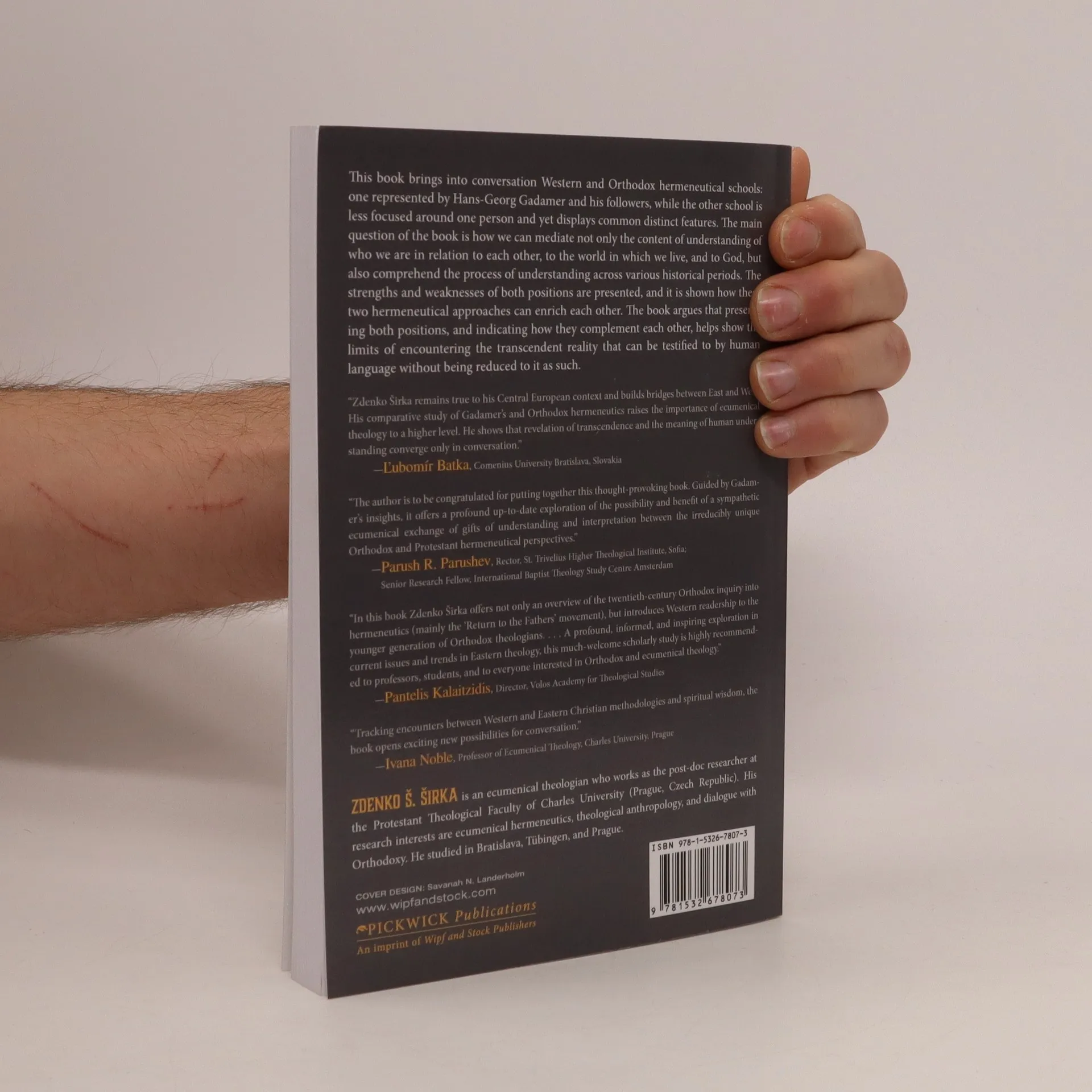
This book brings into conversation Western and Orthodox hermeneutical schools: one represented by Hans-Georg Gadamer and his followers, while the other school is less focused around one person and yet displays common distinct features. The main question of the book is how we can mediate not only the content of understanding of who we are in relation to each other, to the world in which we live, and to God, but also comprehend the process of understanding across various historical periods. The strengths and weaknesses of both positions are presented, and it is shown how these two hermeneutical approaches can enrich each other. The book argues that preserving both positions, and indicating how they complement each other, helps show the limits of encountering the transcendent reality that can be testified to by human language without being reduced to it as such.
Zakup książki
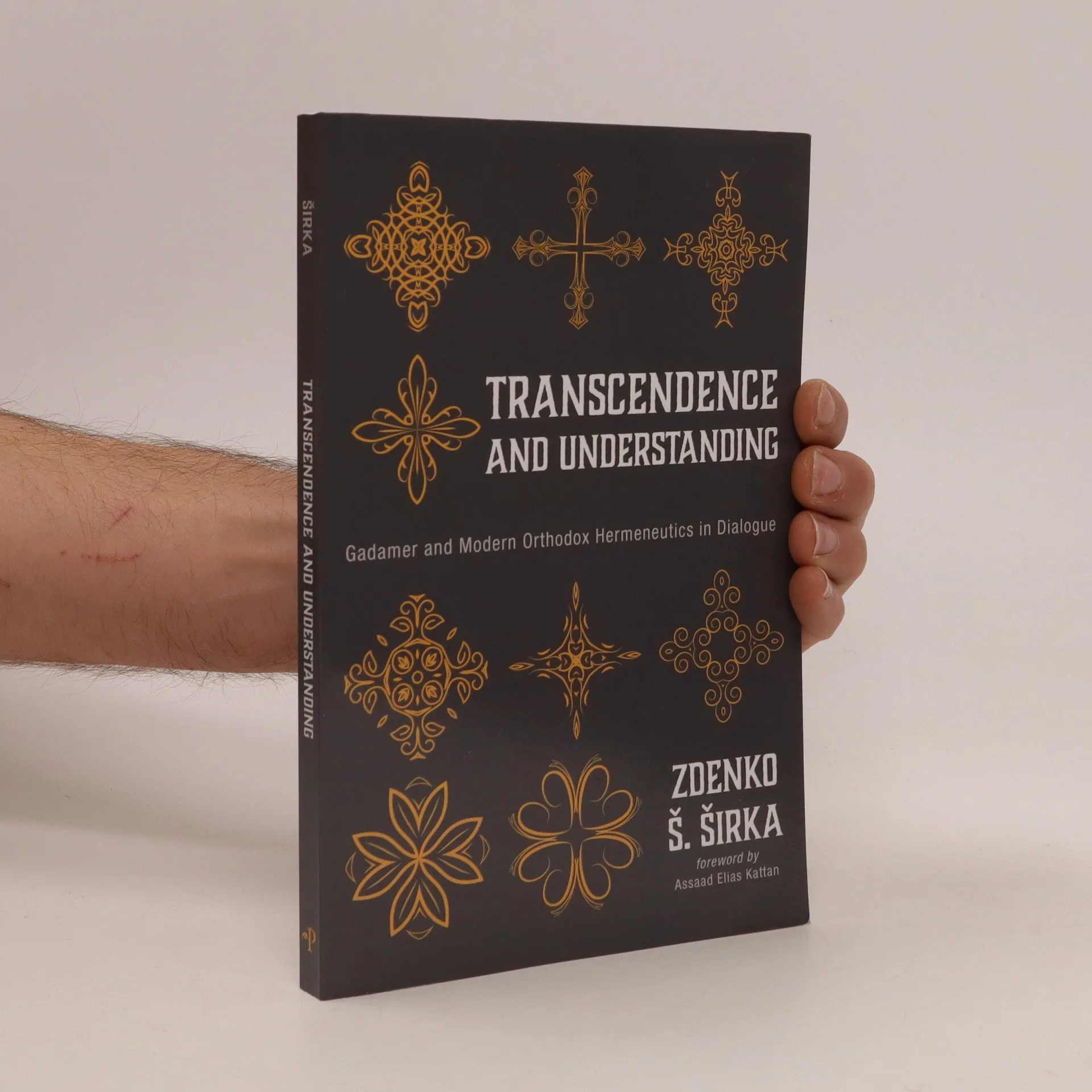
Transcendence and Understanding : Gadamer and Modern Orthodox Hermeneutics in Dialogue, Zdenko Širka, Assaad Elias Kattan
- Język

- Rok wydania
- 2020
- Oprawa
- (miękka)
Metody płatności
Nikt jeszcze nie ocenił.
- Tytuł
- Transcendence and Understanding : Gadamer and Modern Orthodox Hermeneutics in Dialogue
- Język
- angielski
- Autorzy
- Zdenko Širka, Assaad Elias Kattan
- Wydawca
- Pickwick Publications
- Rok wydania
- 2020
- Oprawa
- miękka
- Liczba stron
- 236
- ISBN10
- 153267807x
- ISBN13
- 9781532678073
- Seria
- Kategorie
- Tagi
- Opis
- This book brings into conversation Western and Orthodox hermeneutical schools: one represented by Hans-Georg Gadamer and his followers, while the other school is less focused around one person and yet displays common distinct features. The main question of the book is how we can mediate not only the content of understanding of who we are in relation to each other, to the world in which we live, and to God, but also comprehend the process of understanding across various historical periods. The strengths and weaknesses of both positions are presented, and it is shown how these two hermeneutical approaches can enrich each other. The book argues that preserving both positions, and indicating how they complement each other, helps show the limits of encountering the transcendent reality that can be testified to by human language without being reduced to it as such.