


Parametry
- 380 stron
- 14 godzin czytania
Więcej o książce
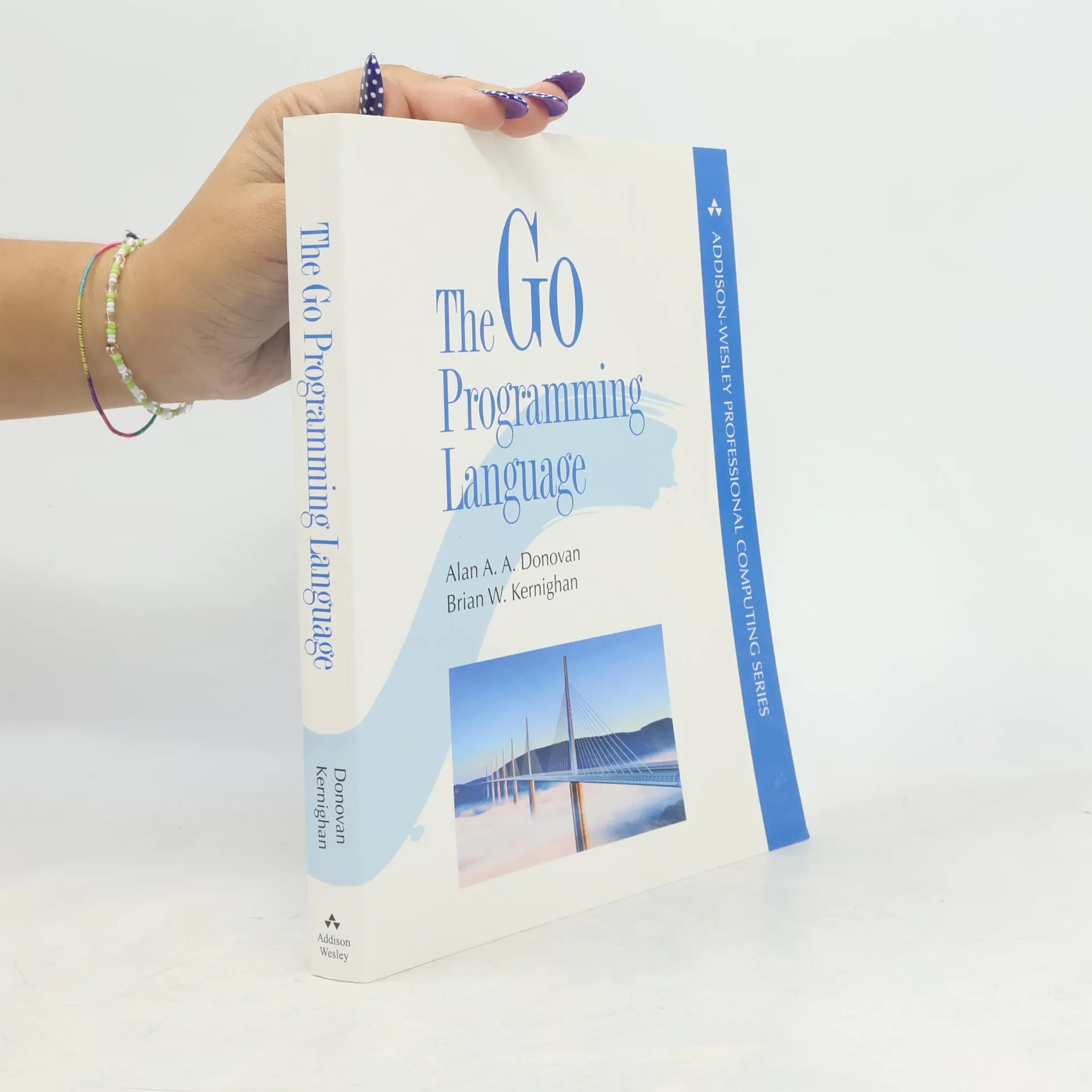
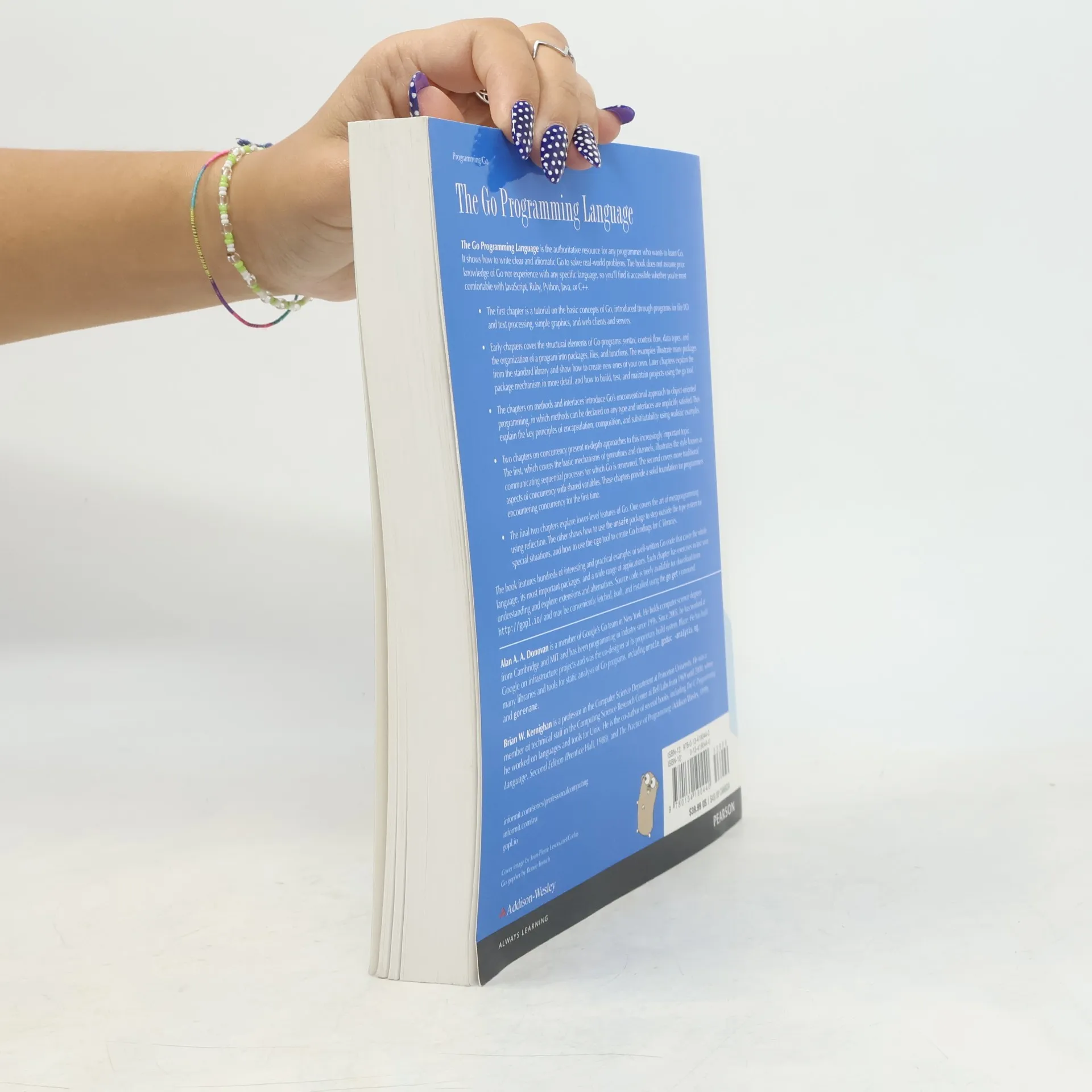
This resource is essential for programmers eager to learn Go, presenting clear and idiomatic approaches to solving real-world problems. It is designed for readers without prior knowledge of Go or any specific programming language, making it accessible for those familiar with JavaScript, Ruby, Python, Java, or C++. The initial chapter serves as a tutorial on fundamental Go concepts through practical examples, including file I/O, text processing, simple graphics, and web clients and servers. Subsequent chapters delve into the structural elements of Go programs, covering syntax, control flow, data types, and program organization into packages, files, and functions, while illustrating the use of standard library packages and creating new ones. Later sections provide a detailed explanation of the package mechanism and project management using the go tool. The book introduces Go's unique take on object-oriented programming through methods and interfaces, emphasizing encapsulation, composition, and substitutability with realistic examples. Two chapters focus on concurrency, covering goroutines, channels, and shared variables, laying a solid foundation for newcomers to the topic. The final chapters address lower-level features, including metaprogramming with reflection and using the unsafe package for special cases, alongside creating Go bindings for C libraries with cgo. The book is rich with practical examples and exercises to rei
Zakup książki
The Go programming language, Brian W. Kernighan, Alan A. A. Donovan
- Język

- Rok wydania
- 2016
- Oprawa
- (miękka)
Metody płatności
Brakuje nam tutaj Twojej recenzji.
- Tytuł
- The Go programming language
- Język
- angielski
- Autorzy
- Brian W. Kernighan, Alan A. A. Donovan
- Rok wydania
- 2016
- Oprawa
- miękka
- Liczba stron
- 380
- ISBN10
- 0134190440
- ISBN13
- 9780134190440
- Seria
- Ocena
- 4,45 z 5
- Opis
- This resource is essential for programmers eager to learn Go, presenting clear and idiomatic approaches to solving real-world problems. It is designed for readers without prior knowledge of Go or any specific programming language, making it accessible for those familiar with JavaScript, Ruby, Python, Java, or C++. The initial chapter serves as a tutorial on fundamental Go concepts through practical examples, including file I/O, text processing, simple graphics, and web clients and servers. Subsequent chapters delve into the structural elements of Go programs, covering syntax, control flow, data types, and program organization into packages, files, and functions, while illustrating the use of standard library packages and creating new ones. Later sections provide a detailed explanation of the package mechanism and project management using the go tool. The book introduces Go's unique take on object-oriented programming through methods and interfaces, emphasizing encapsulation, composition, and substitutability with realistic examples. Two chapters focus on concurrency, covering goroutines, channels, and shared variables, laying a solid foundation for newcomers to the topic. The final chapters address lower-level features, including metaprogramming with reflection and using the unsafe package for special cases, alongside creating Go bindings for C libraries with cgo. The book is rich with practical examples and exercises to rei