


Więcej o książce
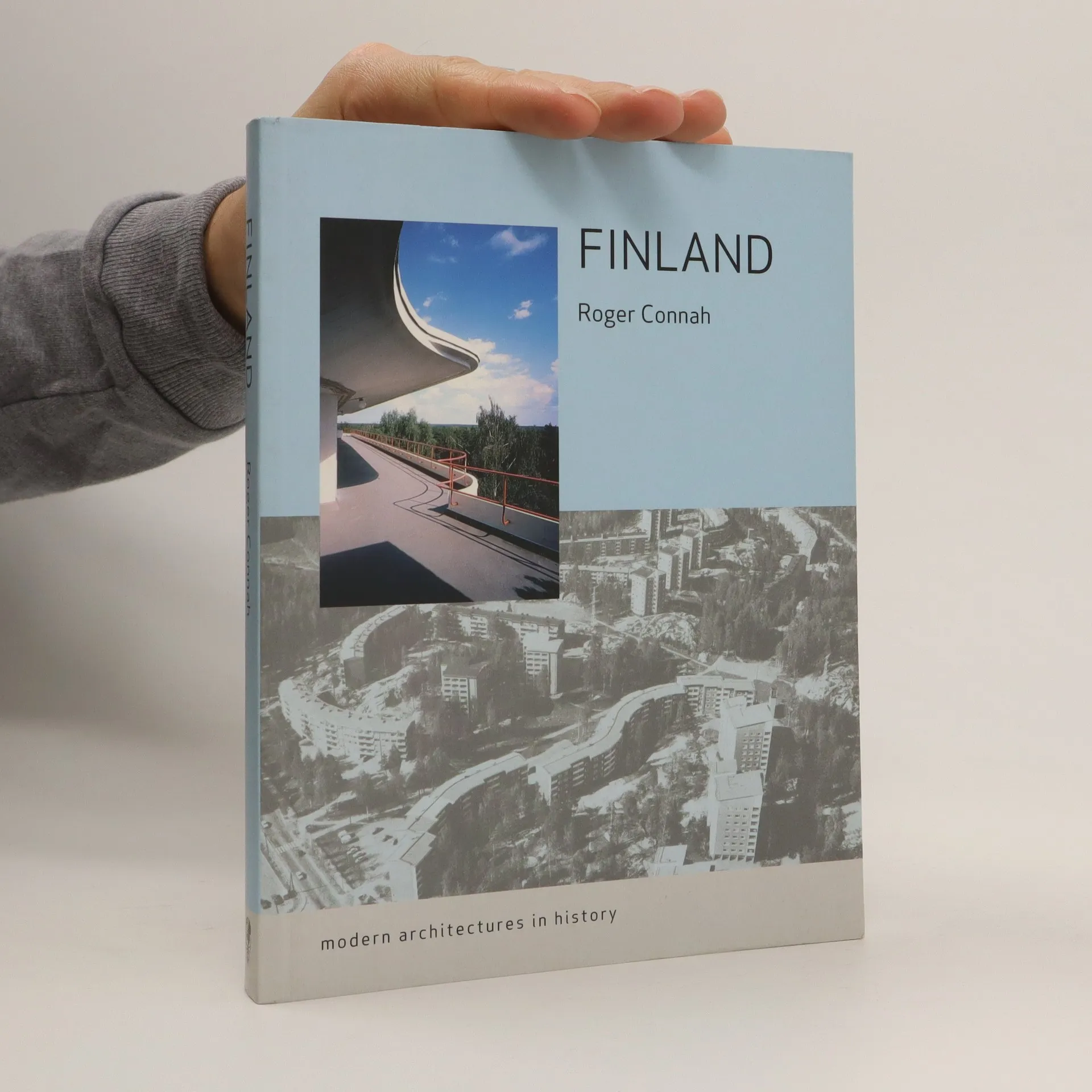
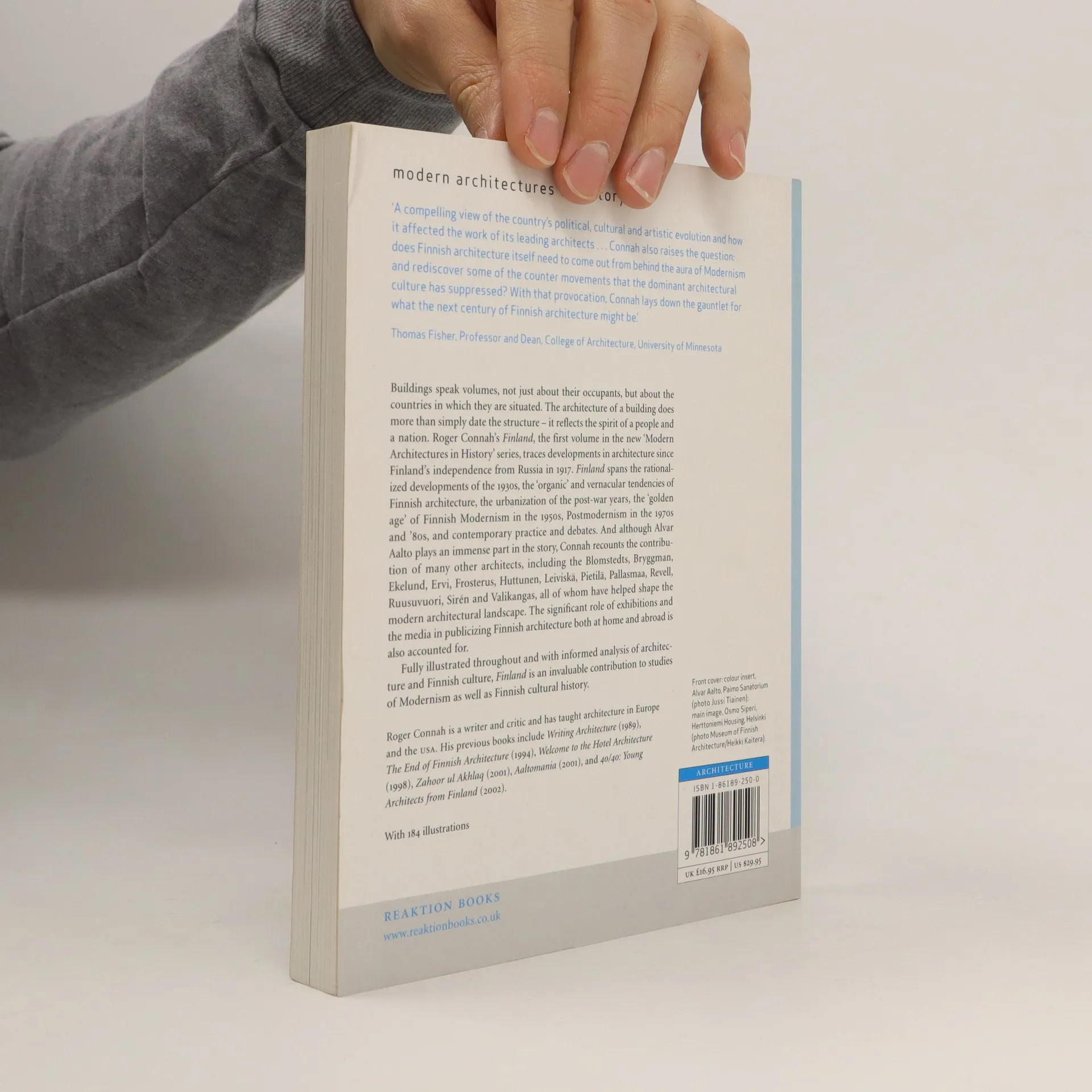
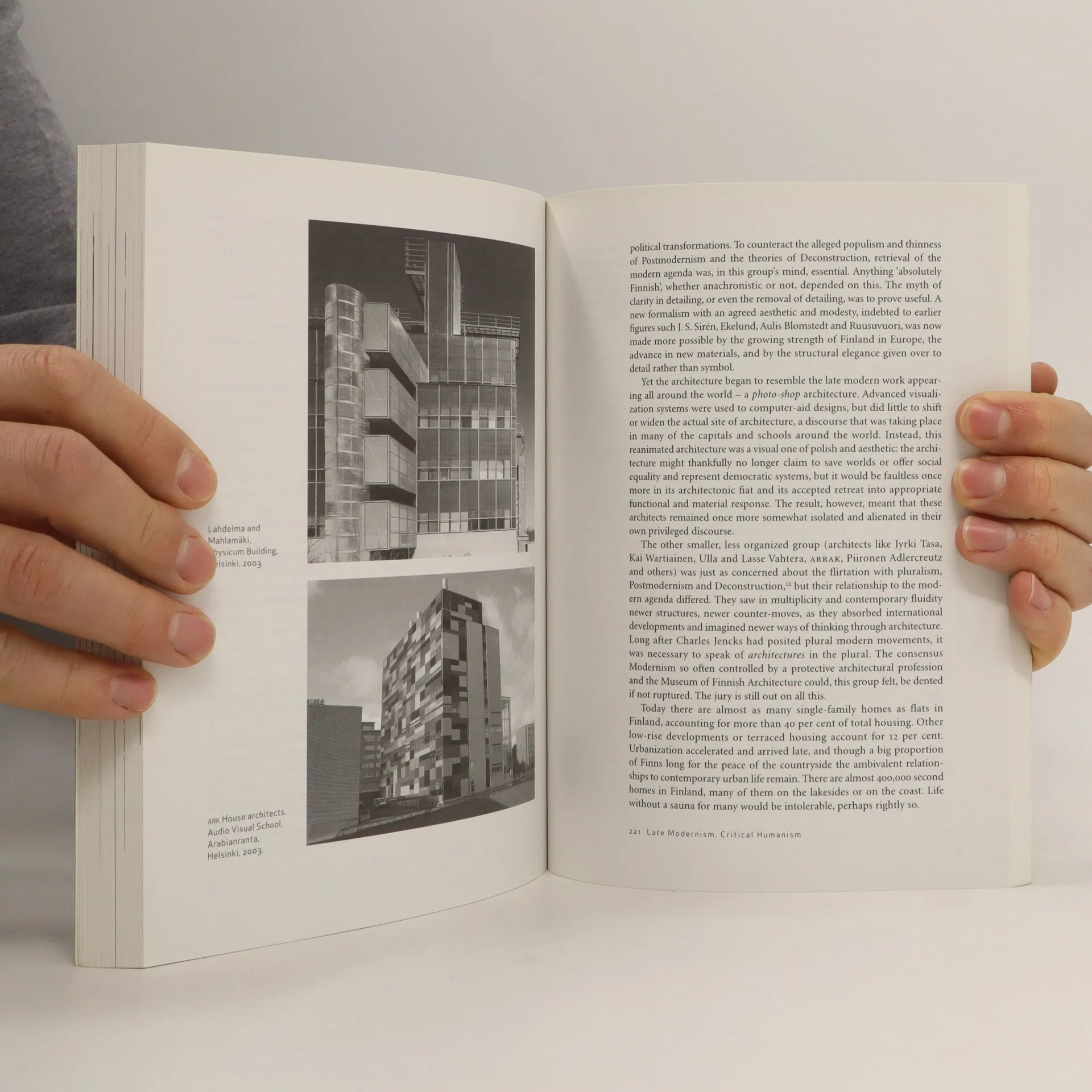
Buildings speak volumes, not just about their occupants or owners, but about the countries in which they exist. From colonnades to paving stones, the architecture of any building does more than simply date the structure—it celebrates the spirit of a people and a nation.Roger Connah's latest book, Finland , explores the culture and democratic spirit of a country whose buildings carry the indelible markings of Finland's political and physical climate. Nearly all of the country's buildings were constructed after 1917, when Finland gained its independence from Russia. The resulting architecture—often springing from hugely popular public competitions—is emphatically democratic in structure and usage. Finland's extreme northern latitudes, for their part, have given rise to buildings with an acute sensitivity to the physical environment and to the delicate interplay of light and shadow.From museums to schools to subsidized housing developments, Connah's Finland is an important survey of the country's architecture. Fully illustrated and with detailed examinations of many of the Finnish master architects—including Alvar Aalto—it is also a valuable contribution to the studies of modern architecture and Nordic history.
Zakup książki
Finland : modern architectures in history, Roger Connah
- Język

- Rok wydania
- 2005
- Oprawa
- (miękka)
Metody płatności
Brakuje nam tutaj Twojej recenzji.
- Tytuł
- Finland : modern architectures in history
- Język
- angielski
- Autorzy
- Roger Connah
- Wydawca
- Reaktion Books
- Rok wydania
- 2005
- Oprawa
- miękka
- Liczba stron
- 280
- ISBN10
- 1861892500
- ISBN13
- 9781861892508
- Seria
- Kategorie
- Tagi
- Architektura
- Ocena
- 3,85 z 5
- Opis
- Buildings speak volumes, not just about their occupants or owners, but about the countries in which they exist. From colonnades to paving stones, the architecture of any building does more than simply date the structure—it celebrates the spirit of a people and a nation.Roger Connah's latest book, Finland , explores the culture and democratic spirit of a country whose buildings carry the indelible markings of Finland's political and physical climate. Nearly all of the country's buildings were constructed after 1917, when Finland gained its independence from Russia. The resulting architecture—often springing from hugely popular public competitions—is emphatically democratic in structure and usage. Finland's extreme northern latitudes, for their part, have given rise to buildings with an acute sensitivity to the physical environment and to the delicate interplay of light and shadow.From museums to schools to subsidized housing developments, Connah's Finland is an important survey of the country's architecture. Fully illustrated and with detailed examinations of many of the Finnish master architects—including Alvar Aalto—it is also a valuable contribution to the studies of modern architecture and Nordic history.