




Parametry
Więcej o książce
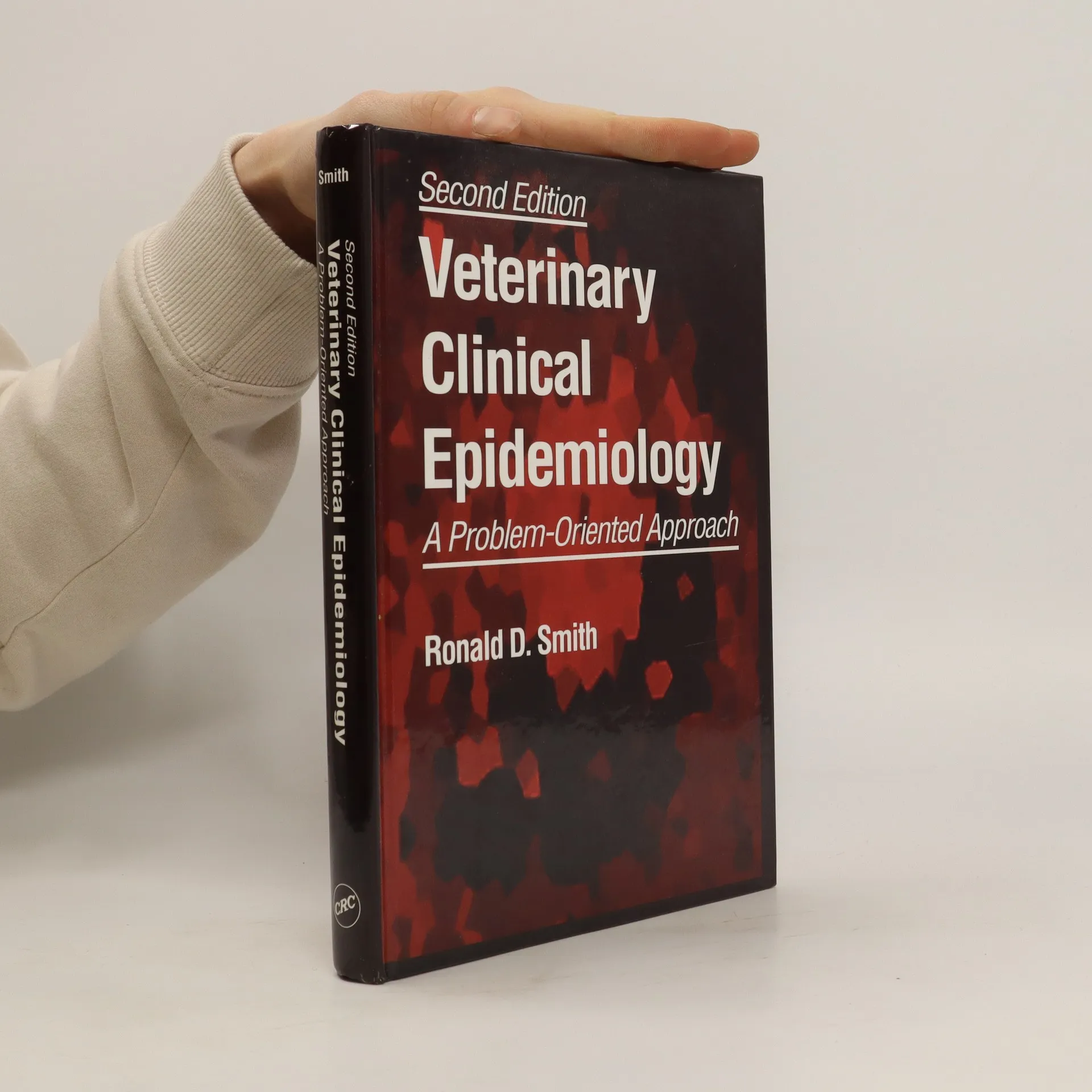
Approaches and techniques of clinical epidemiology have become increasingly prominent in veterinary literature. This second edition of Veterinary Clinical Epidemiology: A Problem-Oriented Approach reflects the increasing recognition of the role of clinical epidemiology by focusing on the application of epidemiologic principles and techniques of problems regularly faced by veterinary practitioners. Numerous examples from veterinary literature indicate how experience with patients can be used to explore issues of importance in the practice of veterinary medicine while controlling for bias, confounding, and chance. The first part of the book focuses on the application of epidemiology in medical decision-making, while the second part focuses on the epidemiology of disease in populations and outbreak investigation. Included in this text are a glossary and an extensive bibliography, as well as myriad updates to reflect the expanding use of epidemiologic methodology in clinical research. Veterinary Clinical Epidemiology: A Problem-Oriented Approach serves as both a teaching resource for veterinary epidemiology and a reference on the application of epidemiologic methods in veterinary clinical research.
Zakup książki
Veterinary Clinical Epidemiology, Third Edition, Ronald D. Smith
- Język

- Rok wydania
- 1995
- Oprawa
- (twarda)
Metody płatności
Nikt jeszcze nie ocenił.
- Tytuł
- Veterinary Clinical Epidemiology, Third Edition
- Język
- angielski
- Autorzy
- Ronald D. Smith
- Wydawca
- CRC Press
- Rok wydania
- 1995
- Oprawa
- twarda
- ISBN10
- 0849324459
- ISBN13
- 9780849324451
- Seria
- Kategorie
- Opis
- Approaches and techniques of clinical epidemiology have become increasingly prominent in veterinary literature. This second edition of Veterinary Clinical Epidemiology: A Problem-Oriented Approach reflects the increasing recognition of the role of clinical epidemiology by focusing on the application of epidemiologic principles and techniques of problems regularly faced by veterinary practitioners. Numerous examples from veterinary literature indicate how experience with patients can be used to explore issues of importance in the practice of veterinary medicine while controlling for bias, confounding, and chance. The first part of the book focuses on the application of epidemiology in medical decision-making, while the second part focuses on the epidemiology of disease in populations and outbreak investigation. Included in this text are a glossary and an extensive bibliography, as well as myriad updates to reflect the expanding use of epidemiologic methodology in clinical research. Veterinary Clinical Epidemiology: A Problem-Oriented Approach serves as both a teaching resource for veterinary epidemiology and a reference on the application of epidemiologic methods in veterinary clinical research.