

Więcej o książce
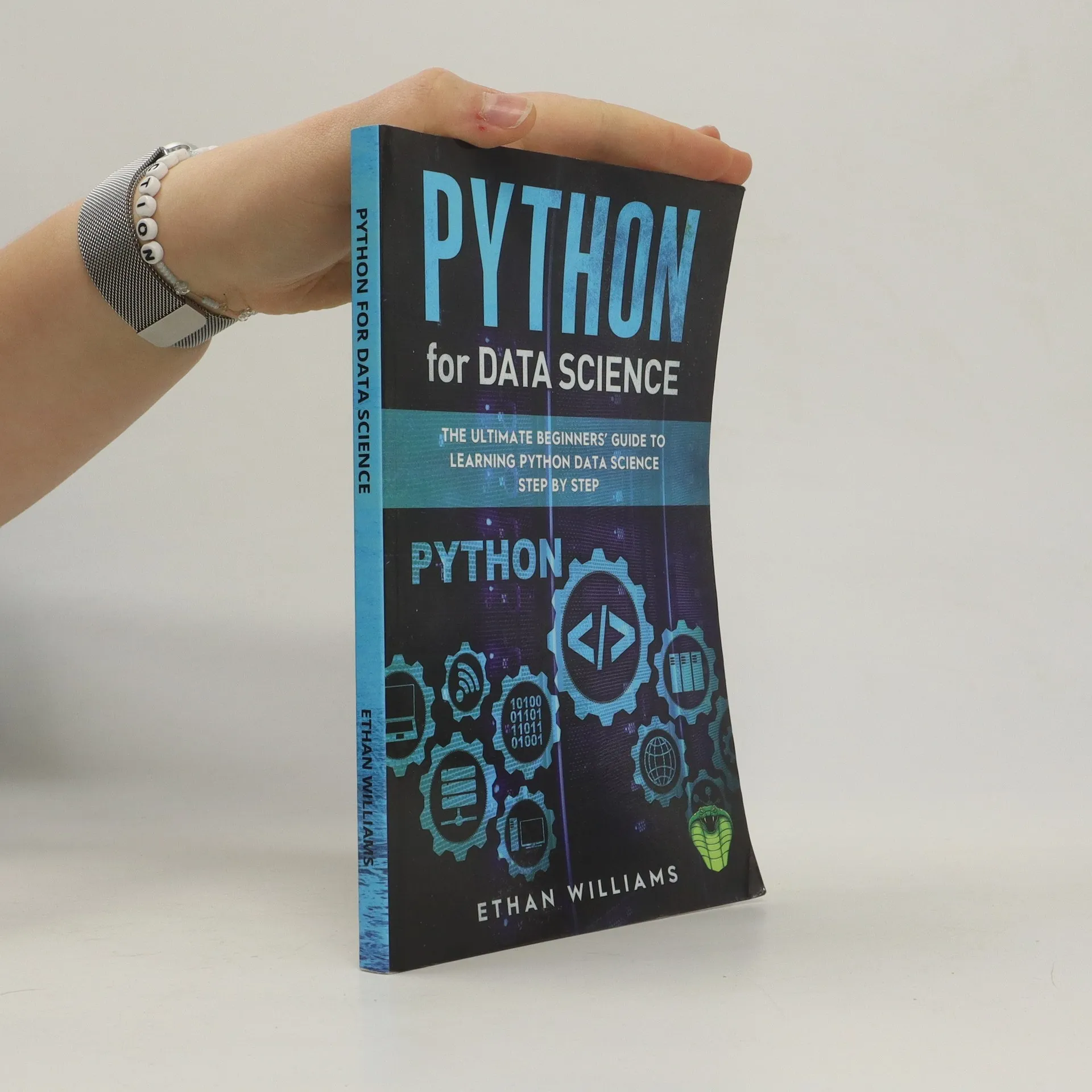
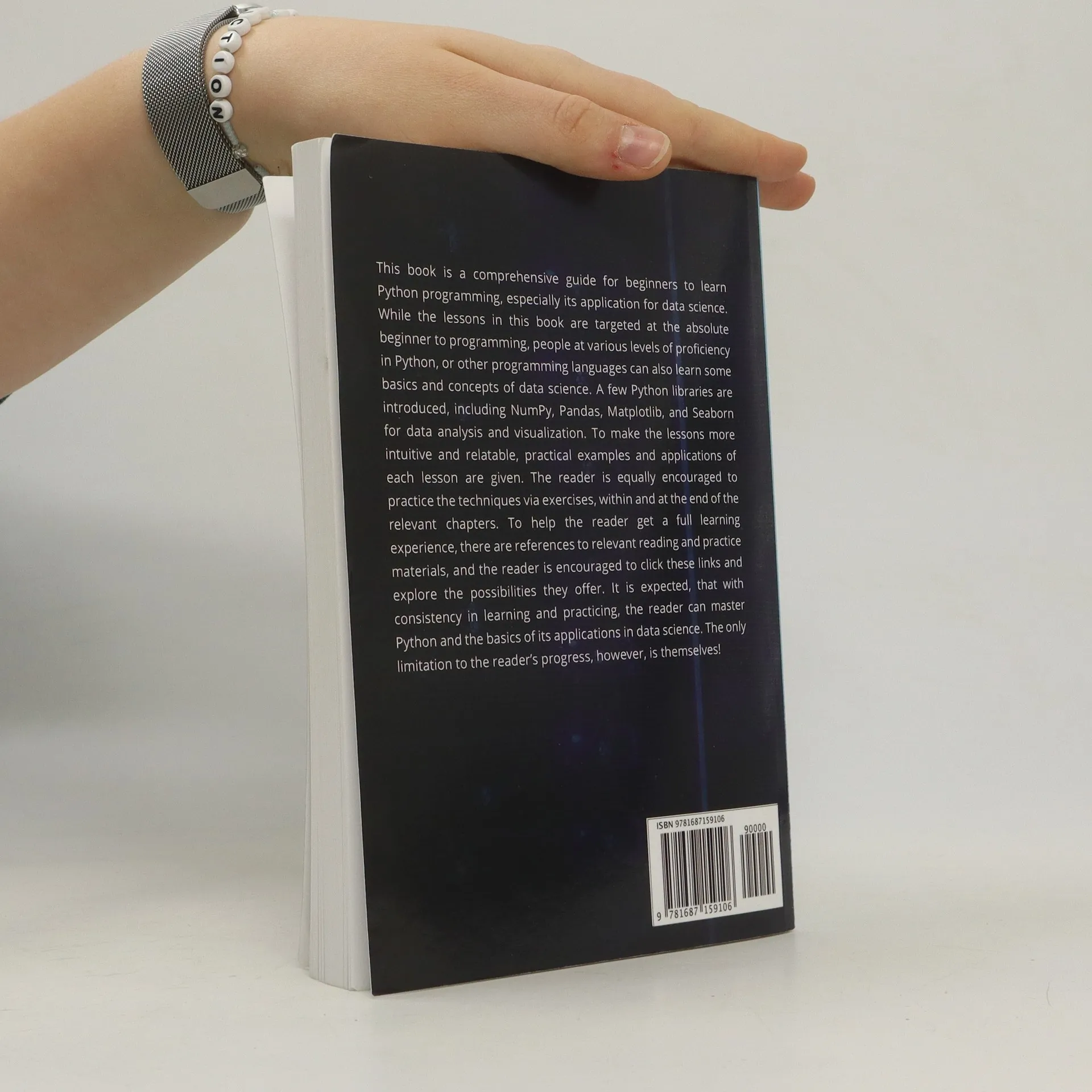
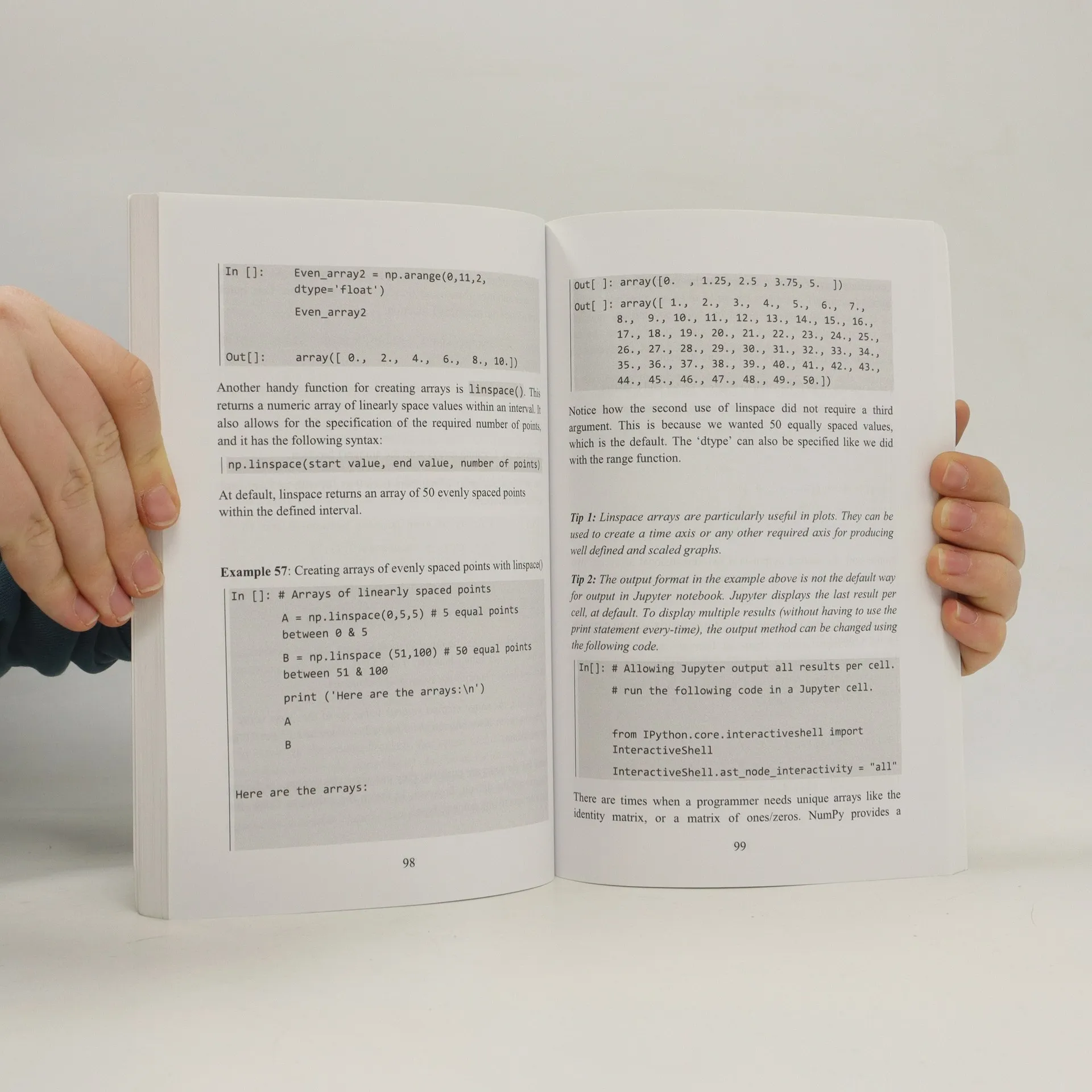
This book is a comprehensive guide for beginners to learn Python Programming, especially its application for Data Science. While the lessons in this book are targeted at the absolute beginner to programming, people at various levels of proficiency in Python, or any other programming languages can also learn some basics and concepts of data science. A few Python libraries are introduced, including NumPy, Pandas, Matplotlib, and Seaborn for data analysis and visualisation. To make the lessons more intuitive and relatable, practical examples and applications of each lesson are given. The reader is equally encouraged to practise the techniques via exercises, within and at the end of the relevant chapters. To help the reader get a full learning experience, there are references to relevant reading and practice materials, and the reader is encouraged to click these links and explore the possibilities they offer. It is expected that with consistency in learning and practicing the reader can master Python and the basics of its application in data science. The only limitation to the reader's progress, however, is themselves!
Zakup książki
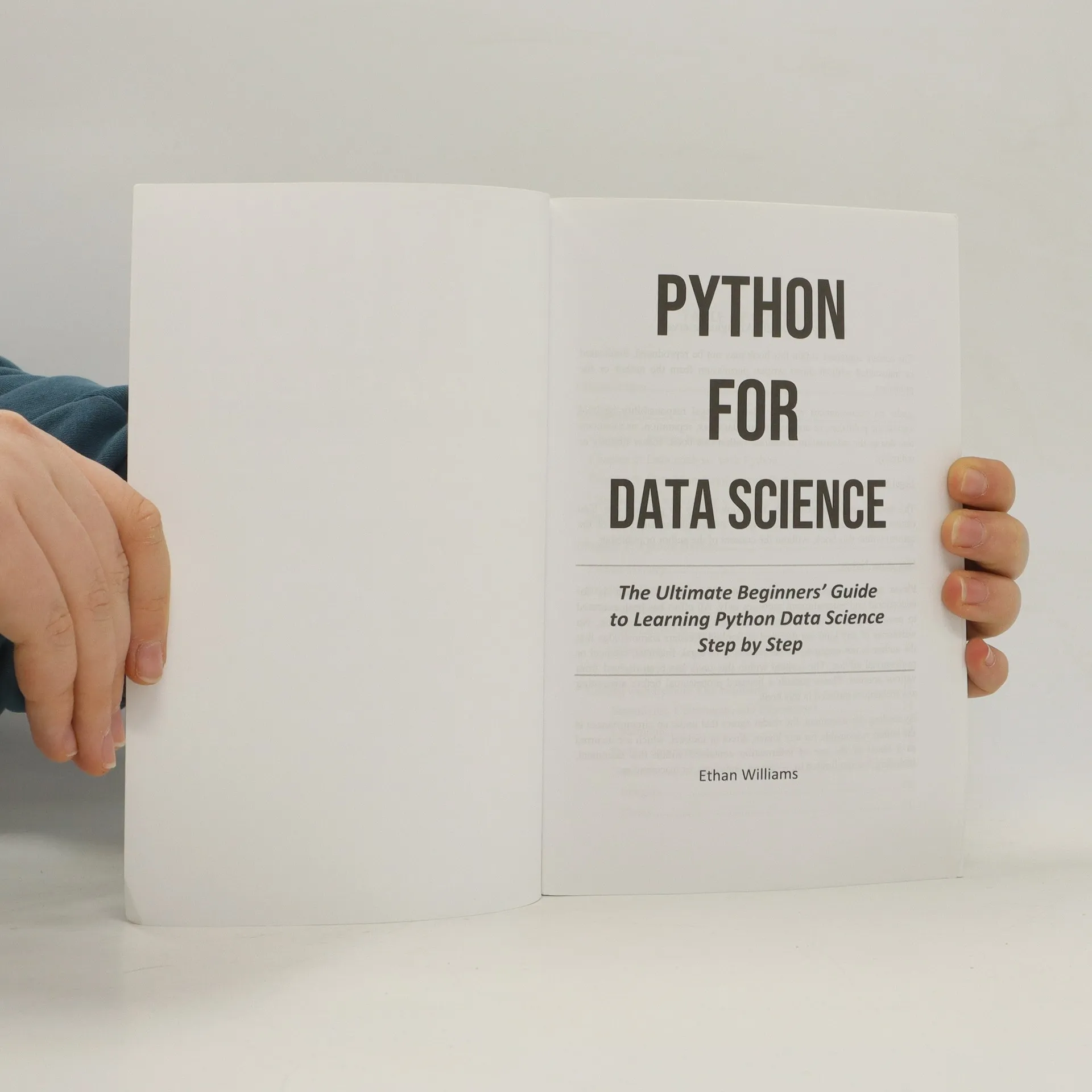
Python for Data Science, Ethan Williams
- Język

- Rok wydania
- 2019
- Oprawa
- (miękka)
Metody płatności
Brakuje nam tutaj Twojej recenzji.
- Tytuł
- Python for Data Science
- Język
- angielski
- Autorzy
- Ethan Williams
- Rok wydania
- 2019
- Oprawa
- miękka
- Liczba stron
- 199
- ISBN10
- 1687159106
- ISBN13
- 9781687159106
- Seria
- Tagi
- Ocena
- 4 z 5
- Opis
- This book is a comprehensive guide for beginners to learn Python Programming, especially its application for Data Science. While the lessons in this book are targeted at the absolute beginner to programming, people at various levels of proficiency in Python, or any other programming languages can also learn some basics and concepts of data science. A few Python libraries are introduced, including NumPy, Pandas, Matplotlib, and Seaborn for data analysis and visualisation. To make the lessons more intuitive and relatable, practical examples and applications of each lesson are given. The reader is equally encouraged to practise the techniques via exercises, within and at the end of the relevant chapters. To help the reader get a full learning experience, there are references to relevant reading and practice materials, and the reader is encouraged to click these links and explore the possibilities they offer. It is expected that with consistency in learning and practicing the reader can master Python and the basics of its application in data science. The only limitation to the reader's progress, however, is themselves!