



Więcej o książce
What are diplomats for? Most people have only a vague understanding of what they actually do, except that they seem to belong to a privileged caste, and to lead lives governed by arcane rules of etiquette and convention. However, beneath the veneer of exquisite diplomatic manners and immaculate dress, all human life is there, and, as illustrated by the stories in this book, much of it is entirely reprehensible. Guidance is therefore necessary, since Diplomatic Services dislike disorderly lives, so between 1949 and 1974, the Foreign Office published a series of helpful little booklets on How to Behave Abroad. These describe conventions which belong to another age but, although much of the advice put forward so confidently may reinforce outsiders' worst fears about the Foreign Service, change was already working through the system and the transformation in attitudes over the twenty-five years during which they were produced carried the seeds of far greater upheavals to come. Over recent years, an enormous cultural shift has taken place in what diplomats do and what they are for, and the idea of a foreign service as a specialist caste is fast vanishing into the mists of time. The Foreign Office thought that it was stronger than the Ministers who ruled it. It was wrong.
Zakup książki
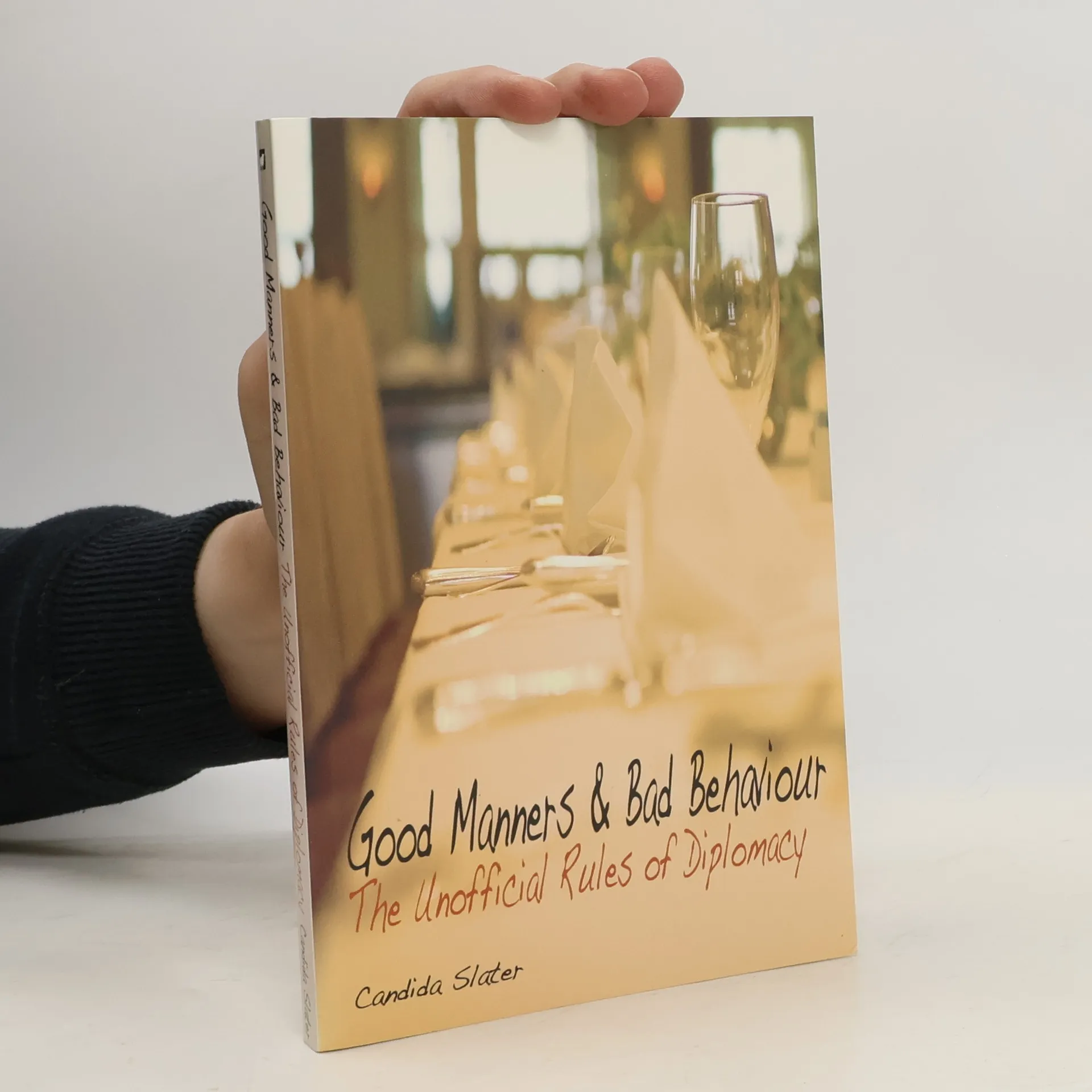
Good manners and bad behaviour : the unofficial rules of diplomacy, Candida Slater
- Język

- Rok wydania
- 2008
- Oprawa
- (miękka)
Metody płatności
Brakuje nam tutaj Twojej recenzji.
- Tytuł
- Good manners and bad behaviour : the unofficial rules of diplomacy
- Język
- angielski
- Autorzy
- Candida Slater
- Wydawca
- Matador
- Rok wydania
- 2008
- Oprawa
- miękka
- Liczba stron
- 168
- ISBN10
- 190651030x
- ISBN13
- 9781906510305
- Seria
- Tagi
- Ocena
- 3,8 z 5
- Opis
- What are diplomats for? Most people have only a vague understanding of what they actually do, except that they seem to belong to a privileged caste, and to lead lives governed by arcane rules of etiquette and convention. However, beneath the veneer of exquisite diplomatic manners and immaculate dress, all human life is there, and, as illustrated by the stories in this book, much of it is entirely reprehensible. Guidance is therefore necessary, since Diplomatic Services dislike disorderly lives, so between 1949 and 1974, the Foreign Office published a series of helpful little booklets on How to Behave Abroad. These describe conventions which belong to another age but, although much of the advice put forward so confidently may reinforce outsiders' worst fears about the Foreign Service, change was already working through the system and the transformation in attitudes over the twenty-five years during which they were produced carried the seeds of far greater upheavals to come. Over recent years, an enormous cultural shift has taken place in what diplomats do and what they are for, and the idea of a foreign service as a specialist caste is fast vanishing into the mists of time. The Foreign Office thought that it was stronger than the Ministers who ruled it. It was wrong.