

Więcej o książce
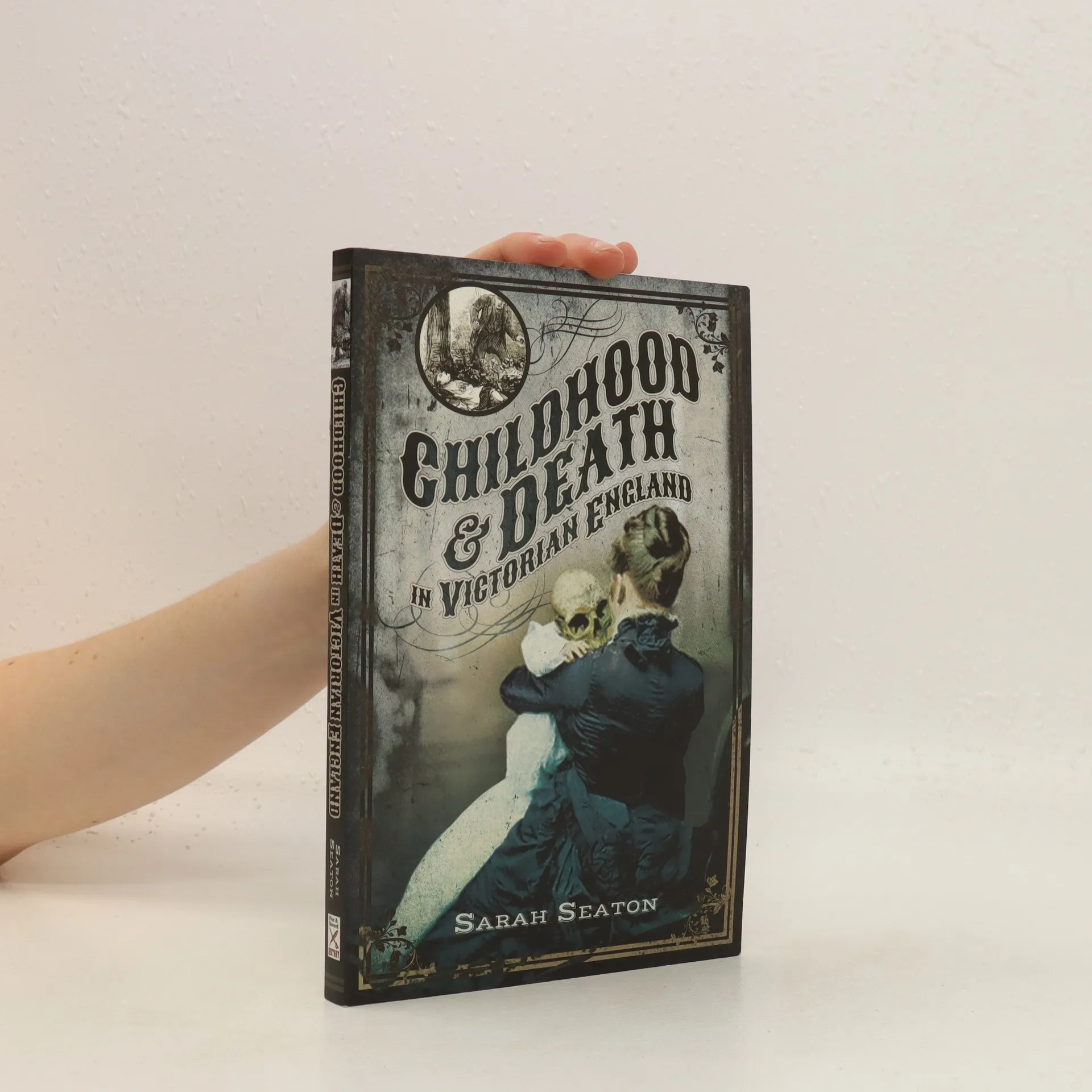
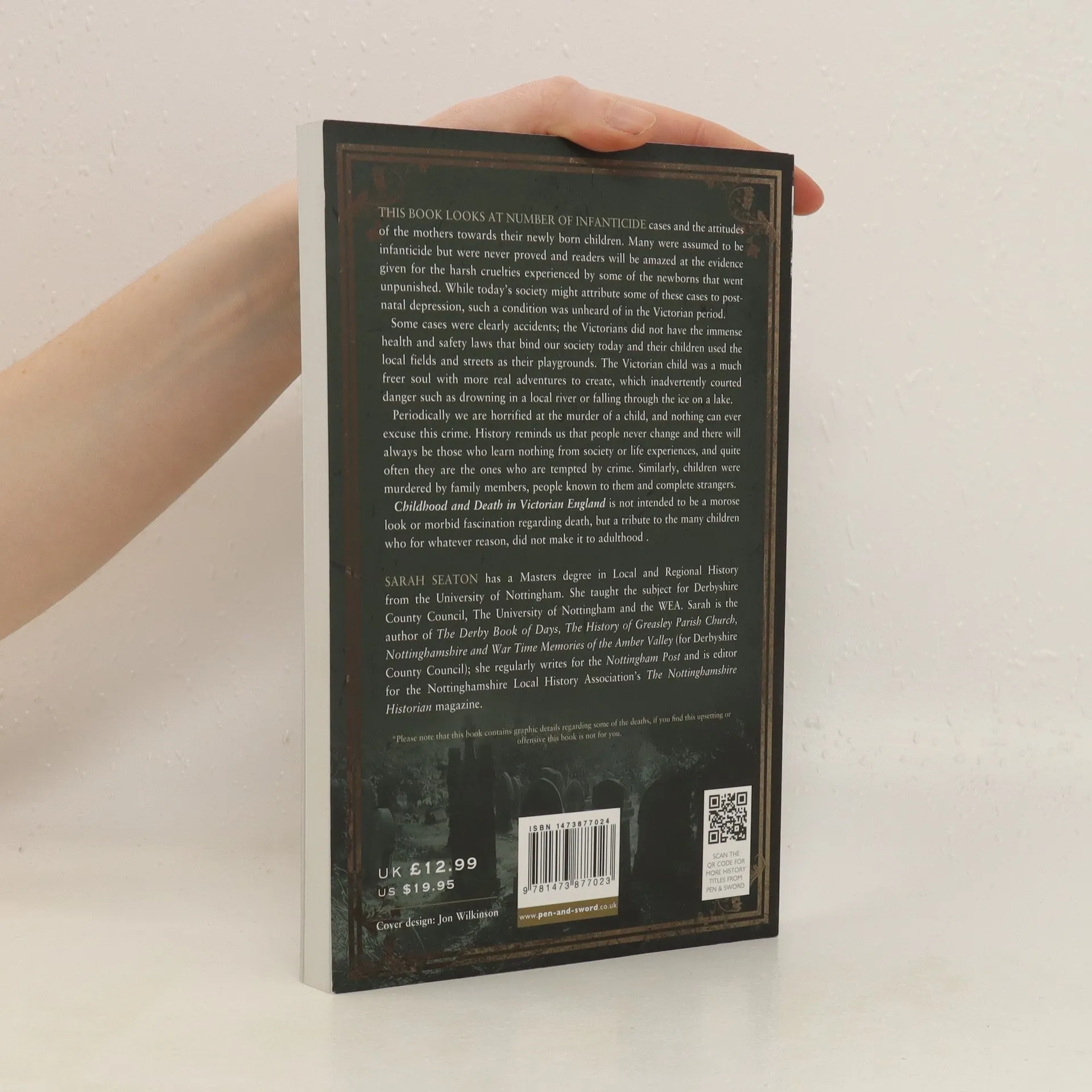
This captivating book takes readers on a journey through the lives of Victorian children, exploring their experiences of living, working, playing, and ultimately dying. Unearthed after over a century, these stories reveal the harsh realities faced by many youngsters, including a travelling fair child, a sea apprentice, and a trapper. The narratives of children from various backgrounds—prostitutes, servant girls, debutantes, and married women—intertwine, all bound by the common theme of death. The book delves into actual cases of infanticide and baby farming, shedding light on the plight of unmarried mothers whose shame drove them to commit horrific acts, often escaping legal consequences. The Victorian children depicted lived amidst the upheaval of the Industrial Revolution, where the New Poor Law of 1834 altered the futures of some pauper children, though often not for the better. Additionally, it explores the beliefs of a religious sect known as the Peculiar People. While the book contains graphic descriptions of child murders, these accounts serve to inform rather than glorify the tragedies. This work will resonate with those interested in the social history of the Victorian era.
Zakup książki
Childhood and death in victorian england, Sarah Seaton
- Język

- Rok wydania
- 2017
- Oprawa
- (miękka)
Metody płatności
Nikt jeszcze nie ocenił.
- Tytuł
- Childhood and death in victorian england
- Język
- angielski
- Autorzy
- Sarah Seaton
- Wydawca
- Pen & Sword Books
- Rok wydania
- 2017
- Oprawa
- miękka
- Liczba stron
- 200
- ISBN10
- 1473877024
- ISBN13
- 9781473877023
- Seria
- Kategorie
- Opis
- This captivating book takes readers on a journey through the lives of Victorian children, exploring their experiences of living, working, playing, and ultimately dying. Unearthed after over a century, these stories reveal the harsh realities faced by many youngsters, including a travelling fair child, a sea apprentice, and a trapper. The narratives of children from various backgrounds—prostitutes, servant girls, debutantes, and married women—intertwine, all bound by the common theme of death. The book delves into actual cases of infanticide and baby farming, shedding light on the plight of unmarried mothers whose shame drove them to commit horrific acts, often escaping legal consequences. The Victorian children depicted lived amidst the upheaval of the Industrial Revolution, where the New Poor Law of 1834 altered the futures of some pauper children, though often not for the better. Additionally, it explores the beliefs of a religious sect known as the Peculiar People. While the book contains graphic descriptions of child murders, these accounts serve to inform rather than glorify the tragedies. This work will resonate with those interested in the social history of the Victorian era.