


Więcej o książce
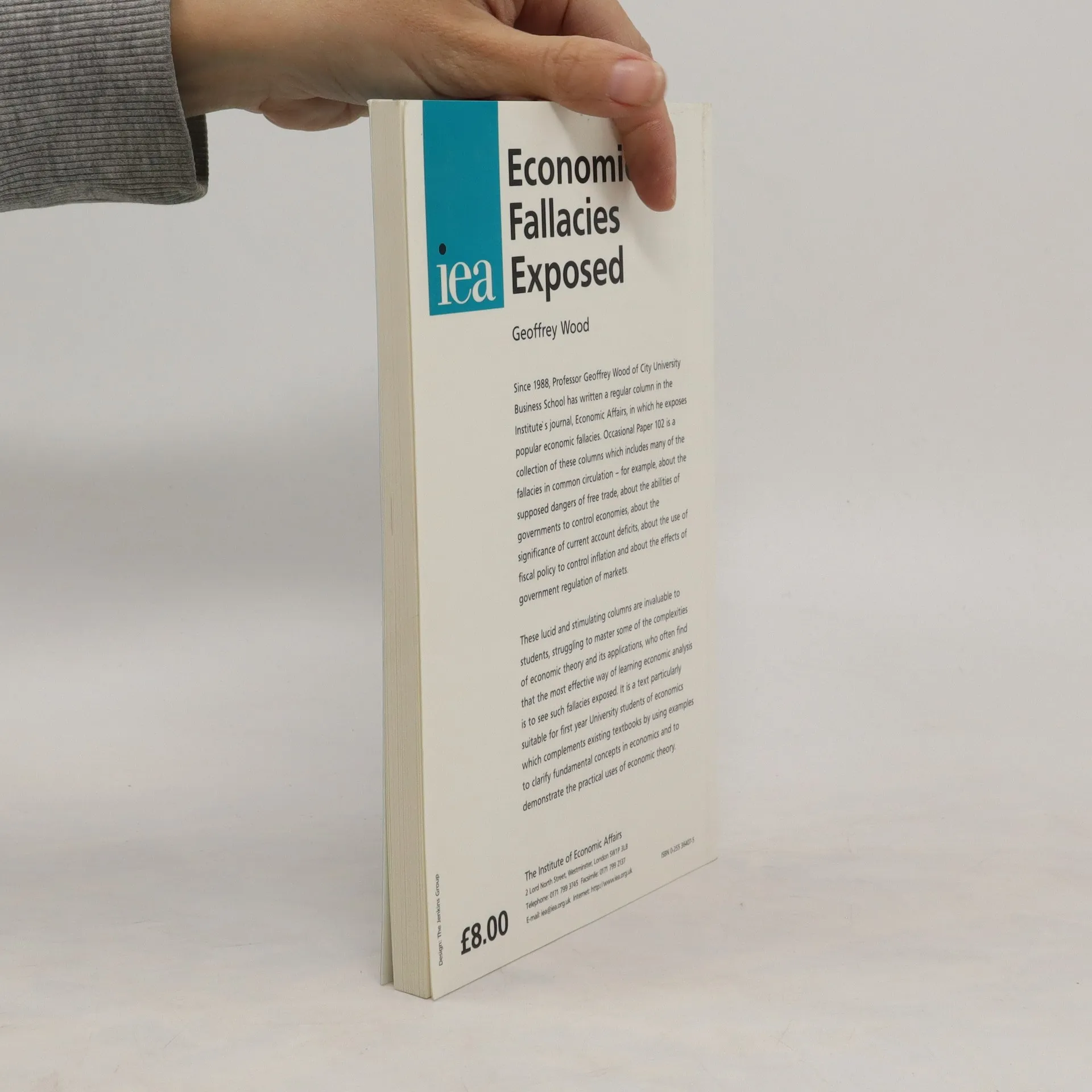
Since 1988, Professor Geoffrey Wood of City University Business School has written a regular column in the Institute's Journal, Economic Affairs, in which he exposes popular economic fallacies. occasional Paper 102 is a collection of these columns which includes many of the fallacies in common circulation - for example, about the supposed dangers of free trade, about the abilities of governments to control economies, about the significance of current account deficits, about the use of fiscal policy to control inflation and about the effects of government regulation of markets. These lucid and stimulating columns are invaluable to students, struggling to master some of the complexities of economic theory and its applications, who often find that the most effective way of learning economic analysis is to see such fallacies exposed. It is a text particularly suitable for first year University students of economics which complements existing textbook by using examples to clarify fundamental concepts in economics and to demonstrate the practical uses of economic theory.
Zakup książki
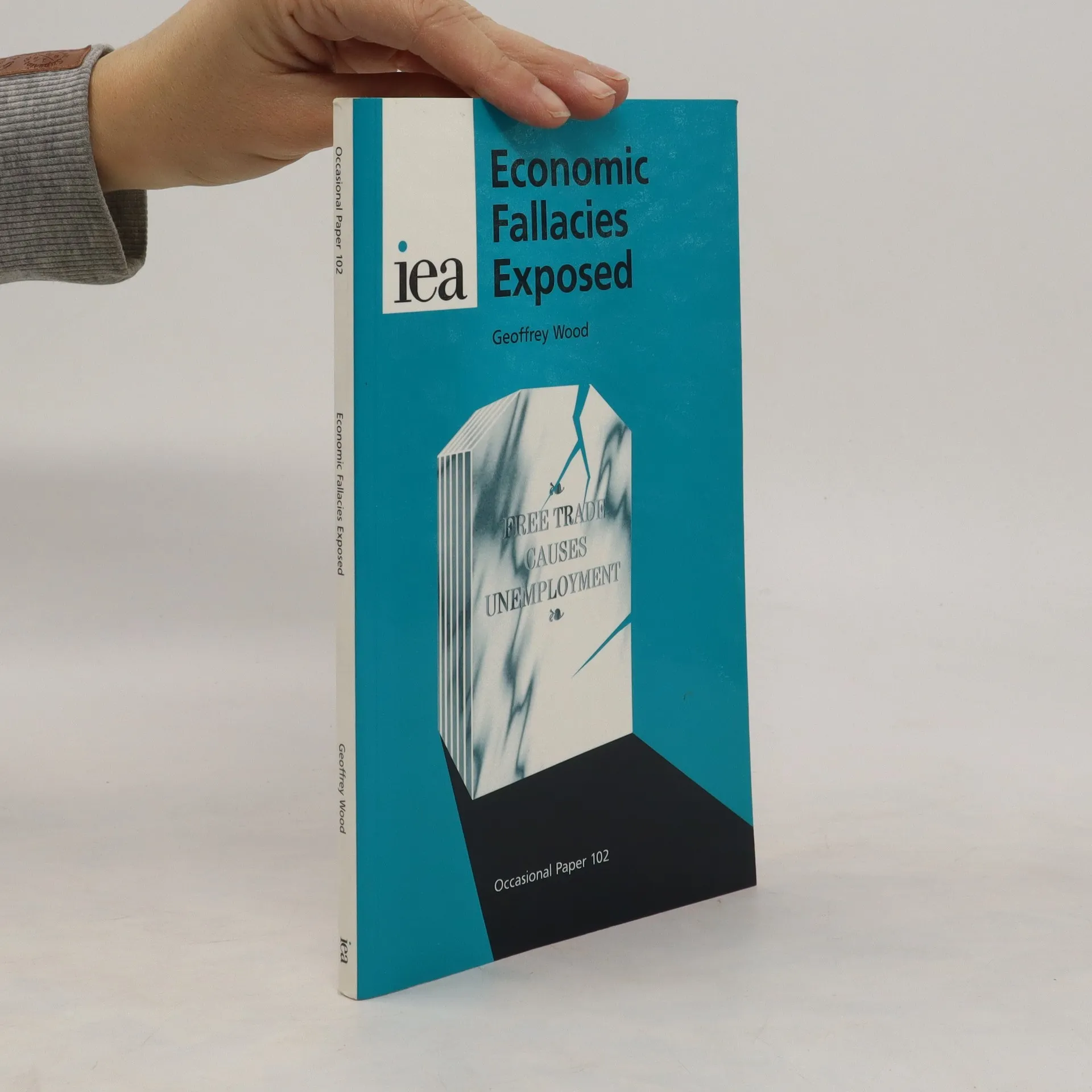
Economic Fallacies Exposed, Geoffrey Edward Wood
- Język

- Rok wydania
- 1997
- Oprawa
- (miękka)
Metody płatności
Brakuje nam tutaj Twojej recenzji.
- Tytuł
- Economic Fallacies Exposed
- Język
- angielski
- Autorzy
- Geoffrey Edward Wood
- Wydawca
- Occasional Paper
- Rok wydania
- 1997
- Oprawa
- miękka
- Liczba stron
- 111
- ISBN10
- 0255364075
- ISBN13
- 9780255364072
- Seria
- Tagi
- Biznes
- Ocena
- 4 z 5
- Opis
- Since 1988, Professor Geoffrey Wood of City University Business School has written a regular column in the Institute's Journal, Economic Affairs, in which he exposes popular economic fallacies. occasional Paper 102 is a collection of these columns which includes many of the fallacies in common circulation - for example, about the supposed dangers of free trade, about the abilities of governments to control economies, about the significance of current account deficits, about the use of fiscal policy to control inflation and about the effects of government regulation of markets. These lucid and stimulating columns are invaluable to students, struggling to master some of the complexities of economic theory and its applications, who often find that the most effective way of learning economic analysis is to see such fallacies exposed. It is a text particularly suitable for first year University students of economics which complements existing textbook by using examples to clarify fundamental concepts in economics and to demonstrate the practical uses of economic theory.