

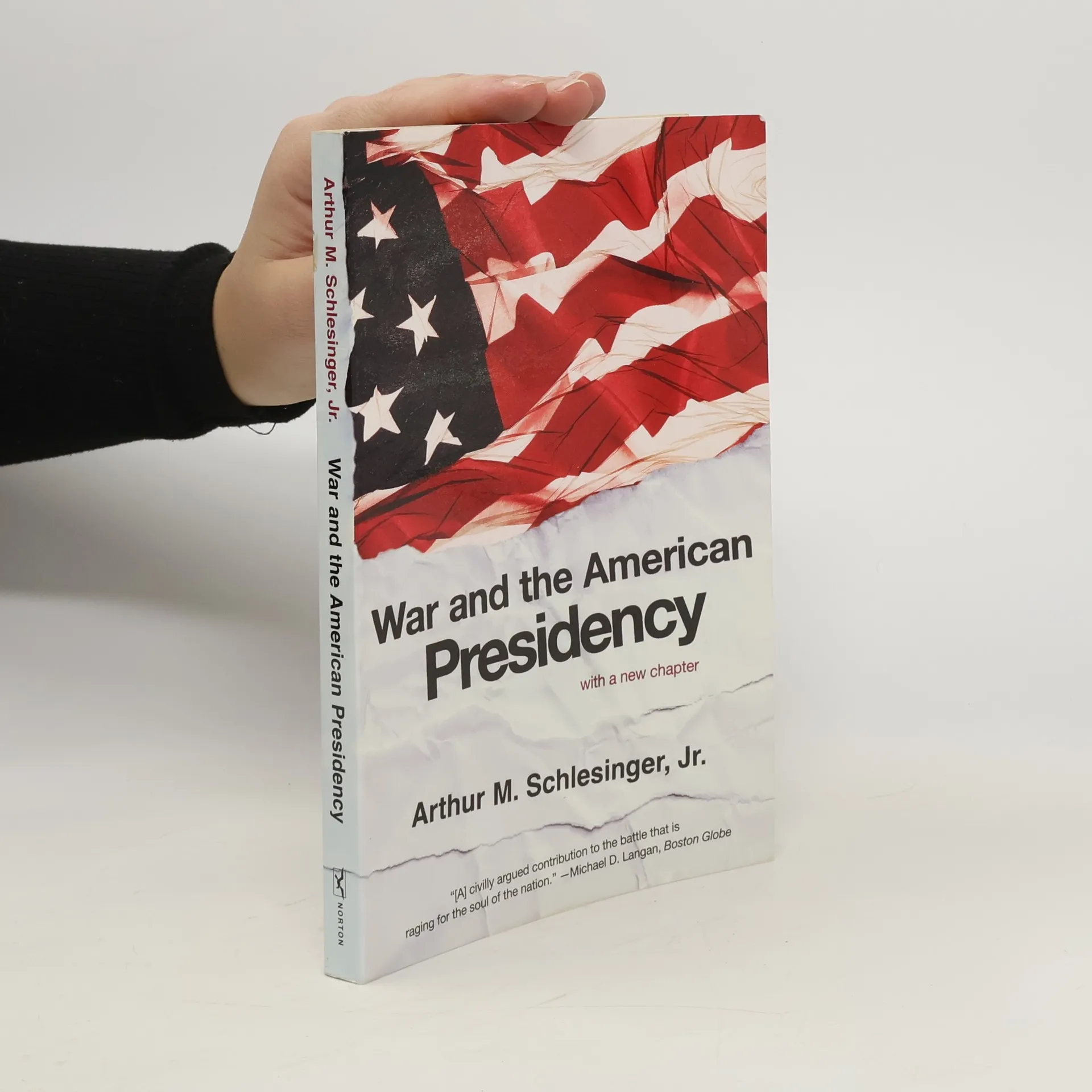
Więcej o książce
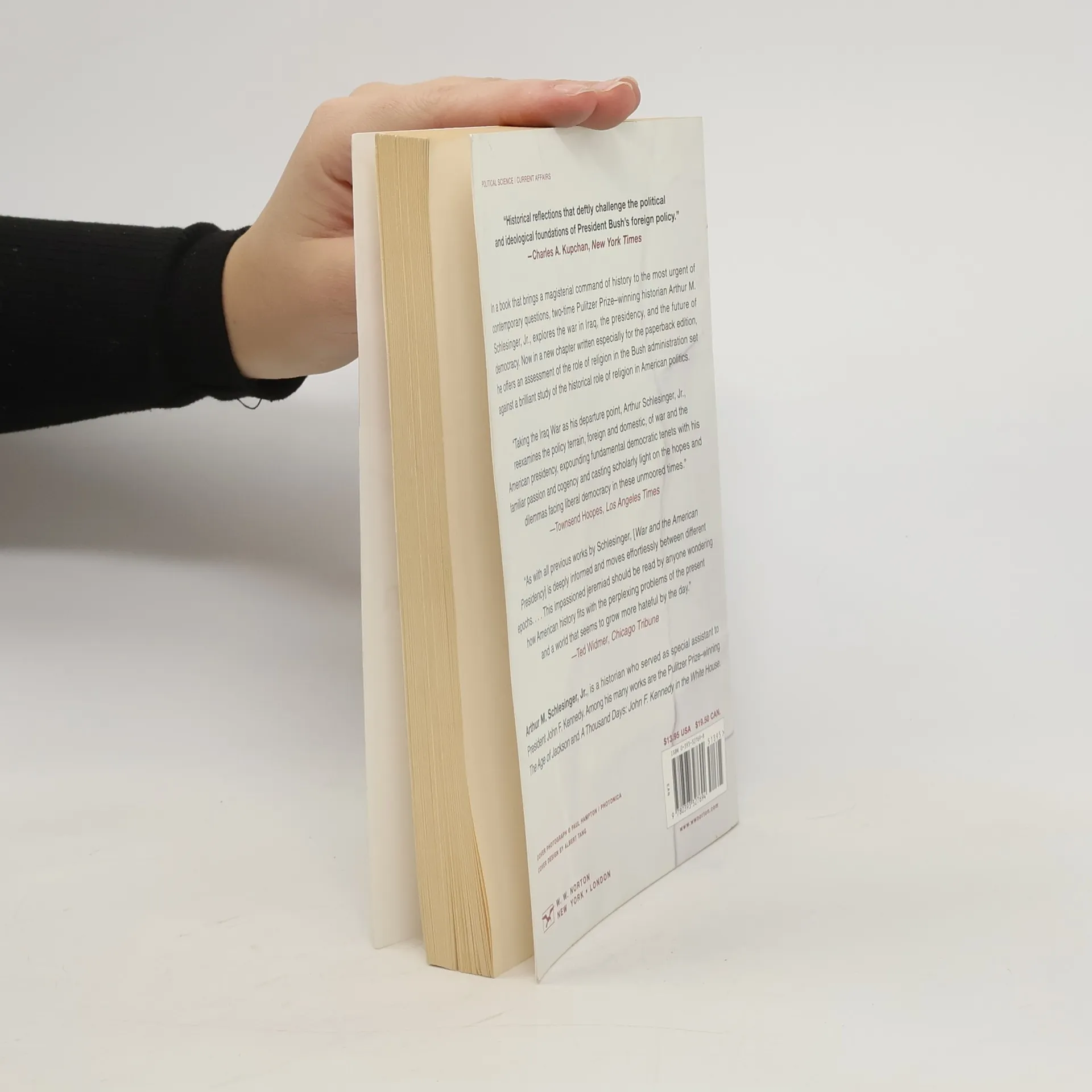
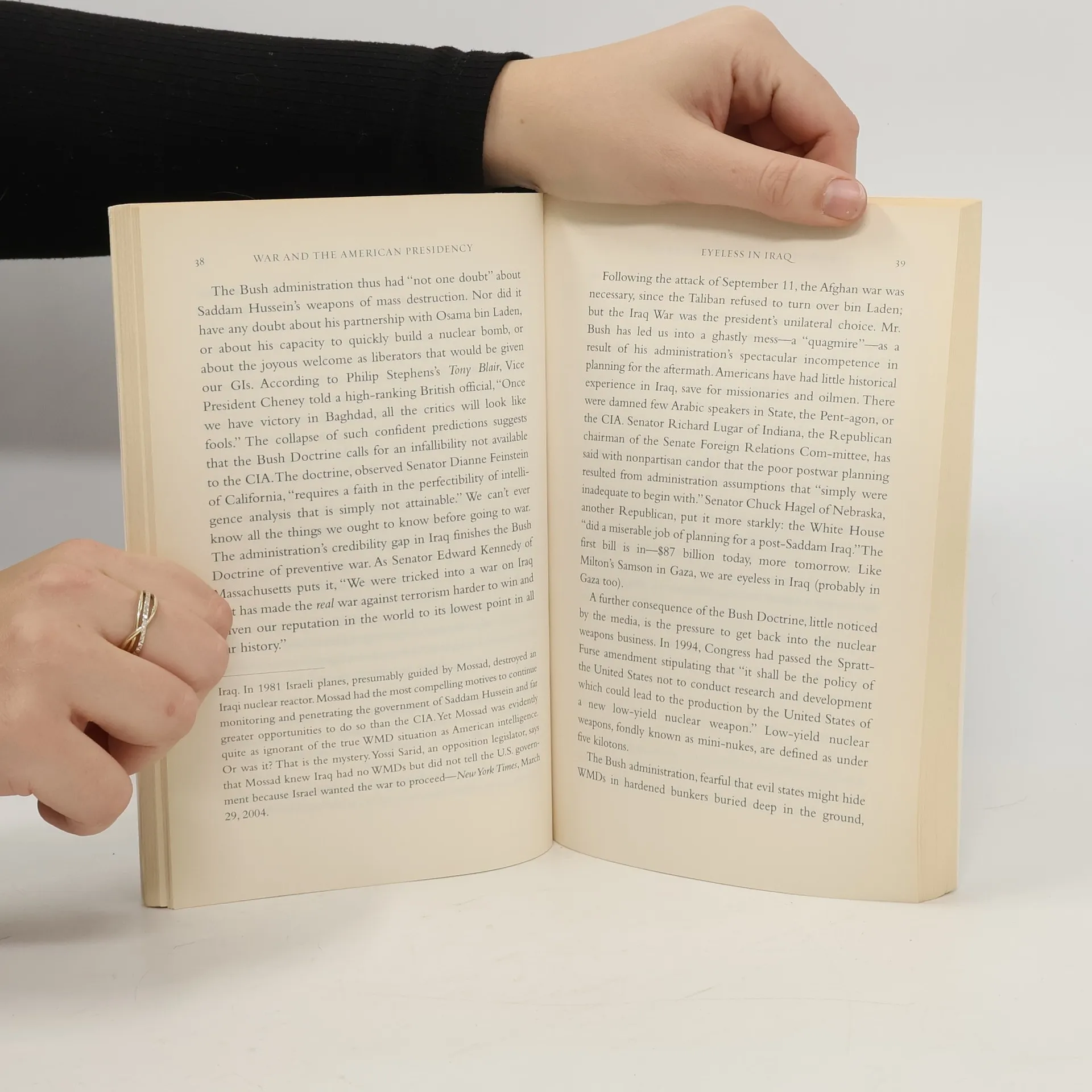
"Historical reflections that deftly challenge the political and ideological foundations of President Bush's foreign policy."--Charles A. Kupchan, New York Times In a book that brings a magisterial command of history to the most urgent of contemporary questions, two-time Pulitzer Prize-winning historian Arthur M. Schlesinger, Jr., explores the war in Iraq, the presidency, and the future of democracy. Describing unilateralism as "the oldest doctrine in American history," Schlesinger nevertheless warns of the dangers posed by the fatal turn in U.S. policy from deterrence and containment to preventive war. He writes powerfully about George W. Bush's expansion of presidential power, reminding us nevertheless of our country's distinguished legacy of patriotism through dissent in wartime. And in a new chapter written especially for the paperback edition, he examines the historical role of religion in American politics as a background for an assessment of Bush's faith-based presidency.
Zakup książki
War and the American Presidency, Arthur Meier Schlesinger
- Język

- Rok wydania
- 2005
- Oprawa
- (miękka)
Metody płatności
Brakuje nam tutaj Twojej recenzji.
- Tytuł
- War and the American Presidency
- Język
- angielski
- Autorzy
- Arthur Meier Schlesinger
- Wydawca
- W. W. Norton & Company
- Rok wydania
- 2005
- Oprawa
- miękka
- ISBN10
- 0393327698
- ISBN13
- 9780393327694
- Seria
- Ocena
- 3,6 z 5
- Opis
- "Historical reflections that deftly challenge the political and ideological foundations of President Bush's foreign policy."--Charles A. Kupchan, New York Times In a book that brings a magisterial command of history to the most urgent of contemporary questions, two-time Pulitzer Prize-winning historian Arthur M. Schlesinger, Jr., explores the war in Iraq, the presidency, and the future of democracy. Describing unilateralism as "the oldest doctrine in American history," Schlesinger nevertheless warns of the dangers posed by the fatal turn in U.S. policy from deterrence and containment to preventive war. He writes powerfully about George W. Bush's expansion of presidential power, reminding us nevertheless of our country's distinguished legacy of patriotism through dissent in wartime. And in a new chapter written especially for the paperback edition, he examines the historical role of religion in American politics as a background for an assessment of Bush's faith-based presidency.