



Więcej o książce
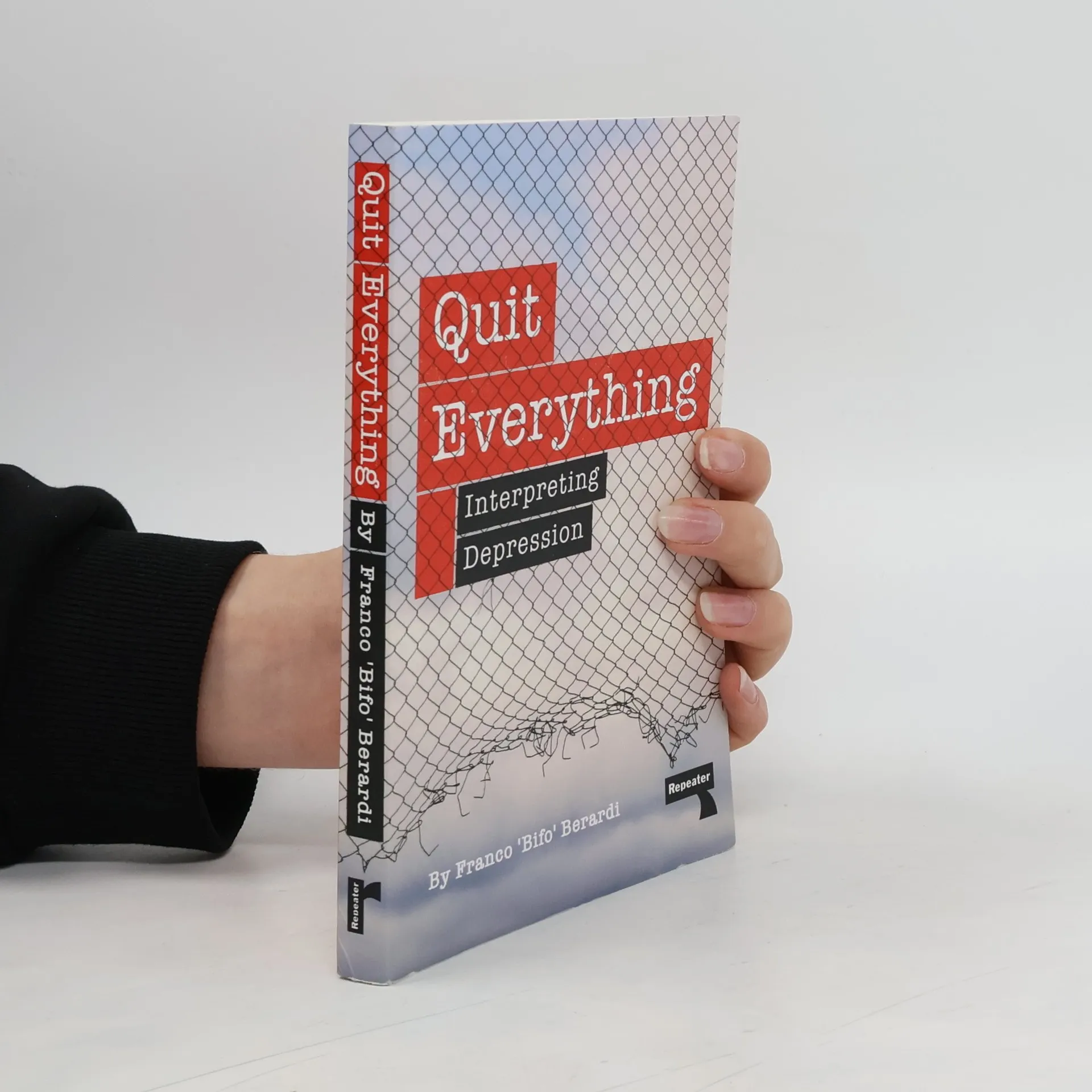
Analyses the current wave of depression, or "desertion", that is causing more and more people to abandon hope and desire in a world where social, political and environment collapse seems inevitable. Depression is rife amongst young people the world over. But what if this isn’t depression as we know it, but instead a reaction to the chaos and collapse of a seemingly unchangeable and unliveable future? In Quit Everything, Franco Berardi argues that this “depression” is actually conscious or unconscious withdrawal of psychological energy and a dis-investment of desire that he defines instead as “desertion”. A desertion from political participation, from the daily grind of capitalism, from the brutal reality of climate collapse, and from a society which offers nothing but chaos and pain. Berardi analyses why this desertion is on the rise and why more people are quitting everything in our age of political impotence and the rise of the far-right, asking if we can find some political hope in desertion amongst the ruins of a world on the brink of collapse.
Zakup książki
Quit Everything, Franco Berardi
- Język

- Rok wydania
- 2024
- Oprawa
- (miękka)
Metody płatności
Brakuje nam tutaj Twojej recenzji.
- Tytuł
- Quit Everything
- Język
- angielski
- Autorzy
- Franco Berardi
- Wydawca
- Watkins Media Limited
- Rok wydania
- 2024
- Oprawa
- miękka
- Liczba stron
- 207
- ISBN10
- 1915672511
- ISBN13
- 9781915672513
- Seria
- Tagi
- Ocena
- 3,8 z 5
- Opis
- Analyses the current wave of depression, or "desertion", that is causing more and more people to abandon hope and desire in a world where social, political and environment collapse seems inevitable. Depression is rife amongst young people the world over. But what if this isn’t depression as we know it, but instead a reaction to the chaos and collapse of a seemingly unchangeable and unliveable future? In Quit Everything, Franco Berardi argues that this “depression” is actually conscious or unconscious withdrawal of psychological energy and a dis-investment of desire that he defines instead as “desertion”. A desertion from political participation, from the daily grind of capitalism, from the brutal reality of climate collapse, and from a society which offers nothing but chaos and pain. Berardi analyses why this desertion is on the rise and why more people are quitting everything in our age of political impotence and the rise of the far-right, asking if we can find some political hope in desertion amongst the ruins of a world on the brink of collapse.