



Parametry
Więcej o książce
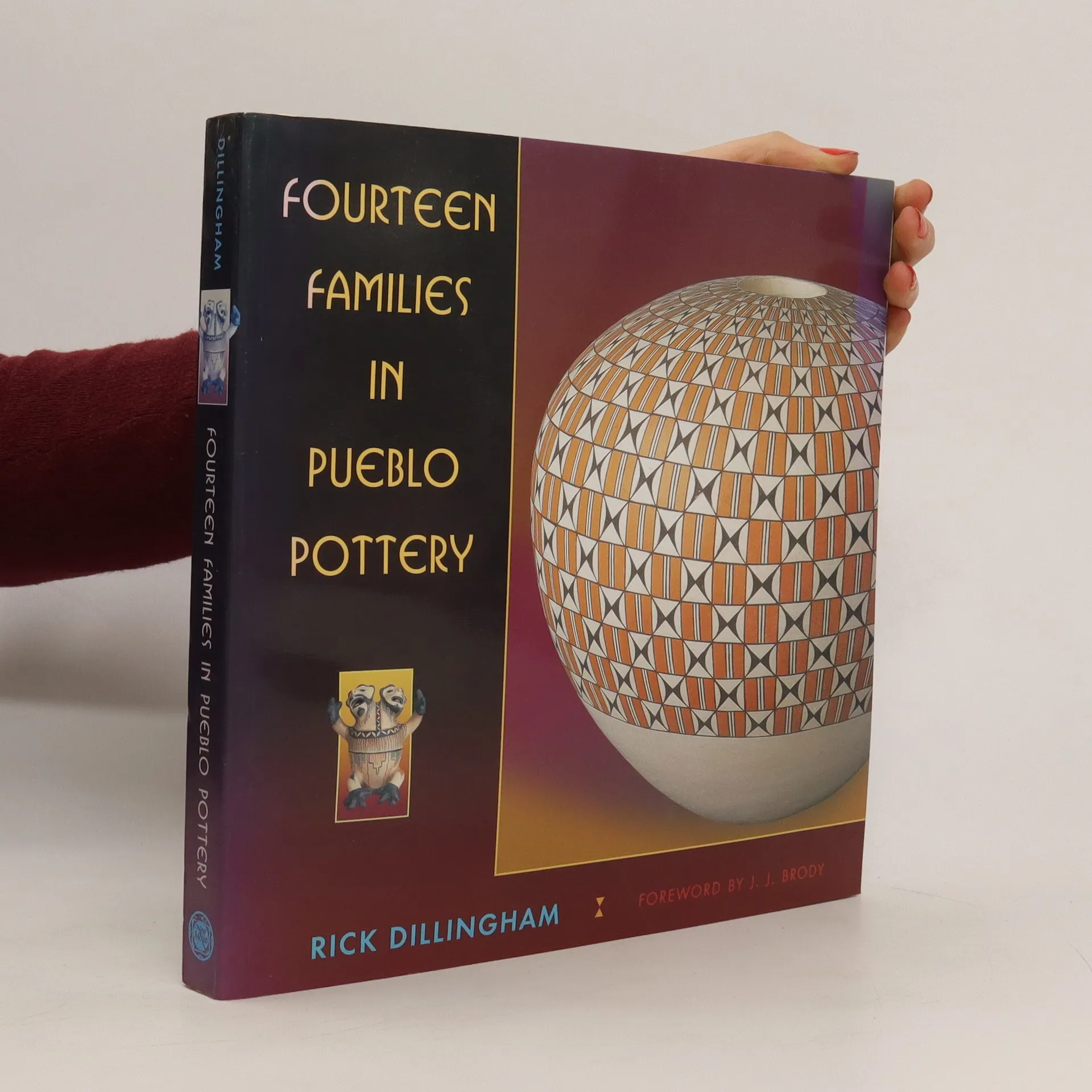
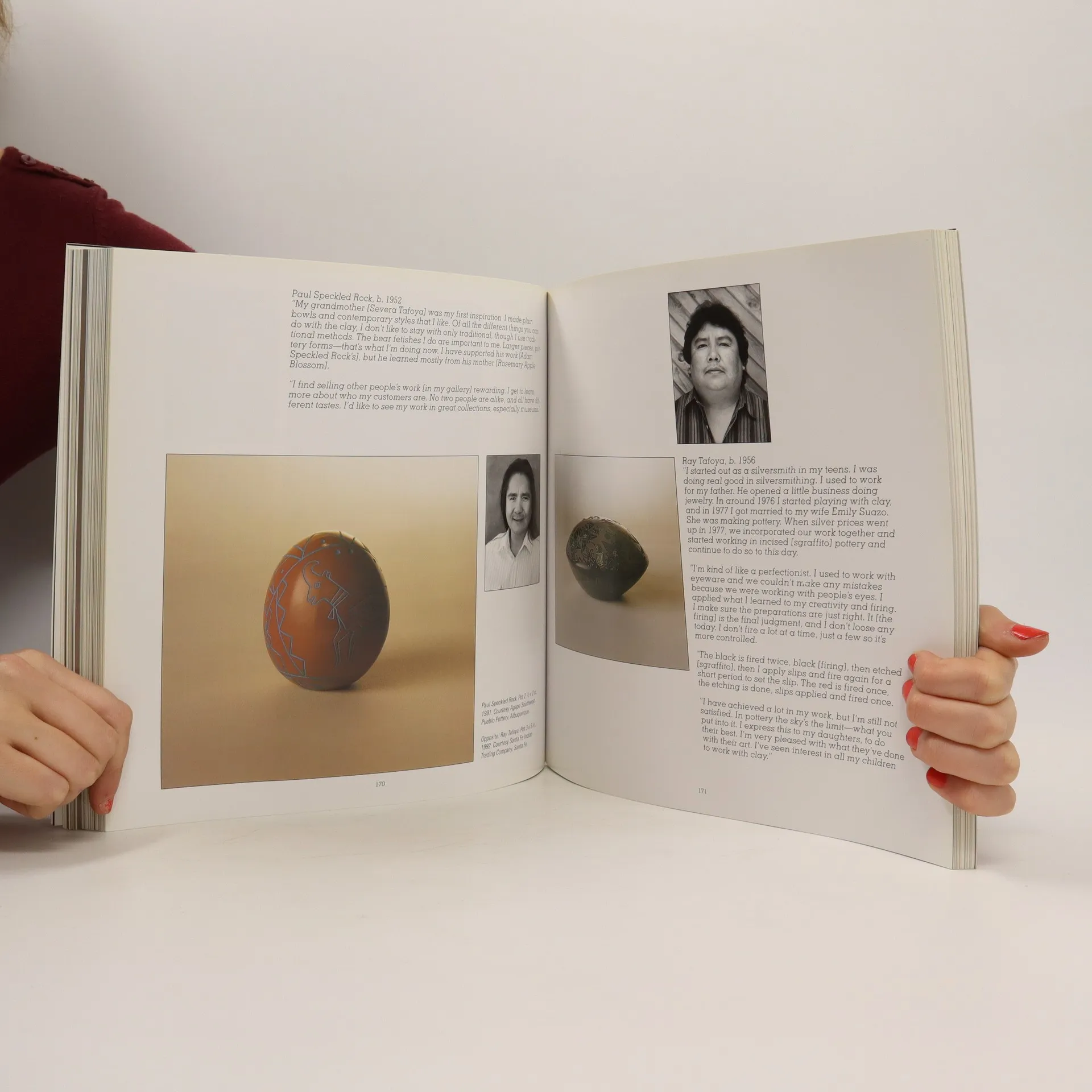
In 1974, an exhibit at the Maxwell Museum of Anthropology led to the publication of a book that has since sold around 80,000 copies. This updated version by Rick Dillingham, who curated the original exhibition, features portraits of potters, color photographs of their work, and personal statements from each potter about their family's craft. Alongside the original seven families—the Chino and Lewis families (Acoma Pueblo), the Nampeyos (Hopi), the Gutierrez and Tafoya families (Santa Clara), and the Gonzales and Martinez families (San Ildefonso)—the author has included additional families: the Chapellas and Navasies (Hopi-Tewa), the Chavarrias (Santa Clara), the Herrera family (Choti), the Medina family (Zia), and the Tenorio-Pacheco and Melchor families (Santo Domingo). This extended look at multiple generations reveals how pottery is passed down among the Pueblo Indians and provides insight into the evolving craft. It also highlights differing opinions among artists regarding the future of Pueblo pottery and the significance of tradition. With a new generation of potters emerging and growing interest in Native American pottery, this book enriches the literature on the Southwest.
Zakup książki
Fourteen Families in Pueblo Pottery, Rick Dillingham
- Język

- Rok wydania
- 1994
- Oprawa
- (miękka)
Metody płatności
Brakuje nam tutaj Twojej recenzji.
- Tytuł
- Fourteen Families in Pueblo Pottery
- Język
- angielski
- Autorzy
- Rick Dillingham
- Wydawca
- UNM Press
- Rok wydania
- 1994
- Oprawa
- miękka
- ISBN10
- 0826314996
- ISBN13
- 9780826314994
- Seria
- Kategorie
- Tagi
- Sztuka
- Ocena
- 4,6 z 5
- Opis
- In 1974, an exhibit at the Maxwell Museum of Anthropology led to the publication of a book that has since sold around 80,000 copies. This updated version by Rick Dillingham, who curated the original exhibition, features portraits of potters, color photographs of their work, and personal statements from each potter about their family's craft. Alongside the original seven families—the Chino and Lewis families (Acoma Pueblo), the Nampeyos (Hopi), the Gutierrez and Tafoya families (Santa Clara), and the Gonzales and Martinez families (San Ildefonso)—the author has included additional families: the Chapellas and Navasies (Hopi-Tewa), the Chavarrias (Santa Clara), the Herrera family (Choti), the Medina family (Zia), and the Tenorio-Pacheco and Melchor families (Santo Domingo). This extended look at multiple generations reveals how pottery is passed down among the Pueblo Indians and provides insight into the evolving craft. It also highlights differing opinions among artists regarding the future of Pueblo pottery and the significance of tradition. With a new generation of potters emerging and growing interest in Native American pottery, this book enriches the literature on the Southwest.