

Więcej o książce
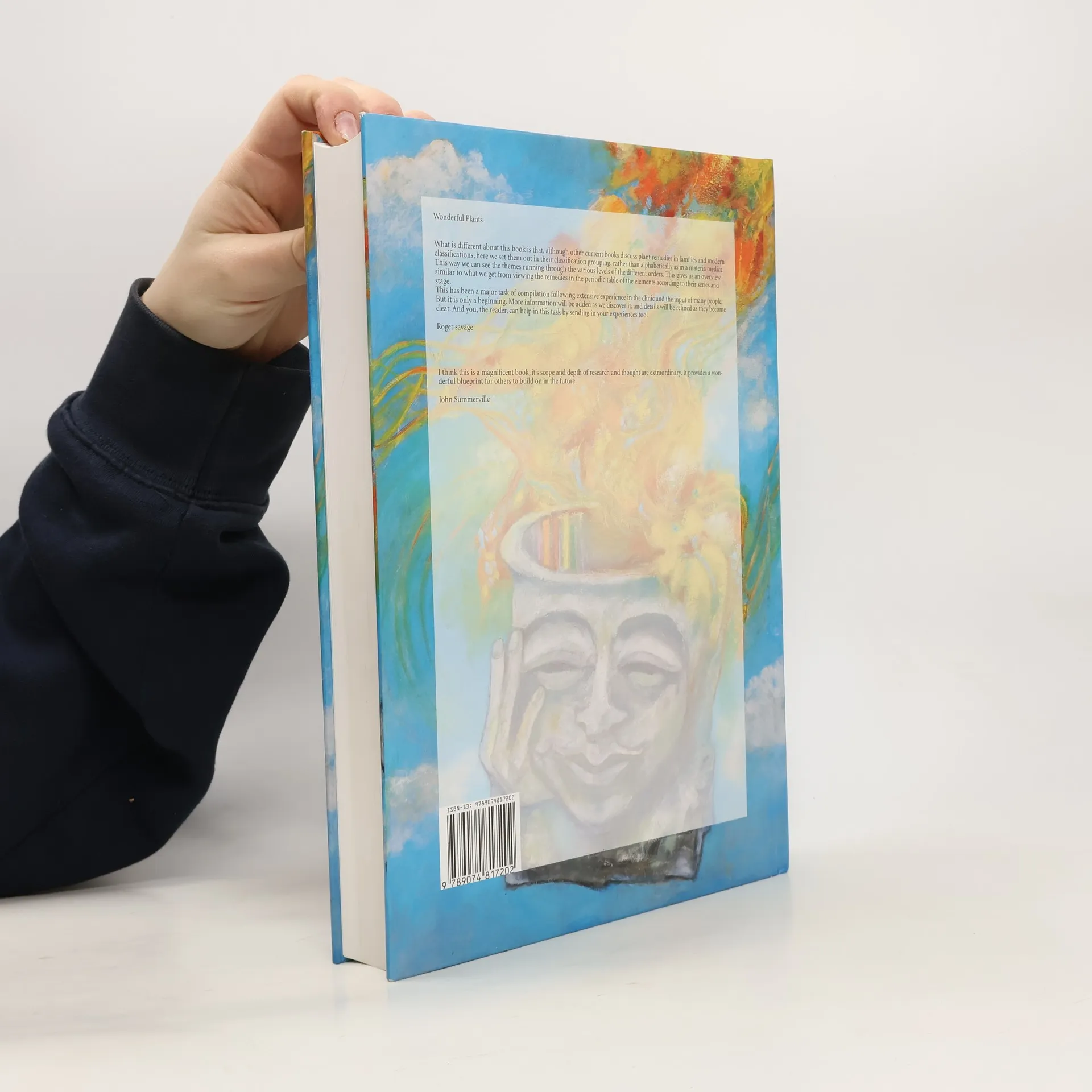
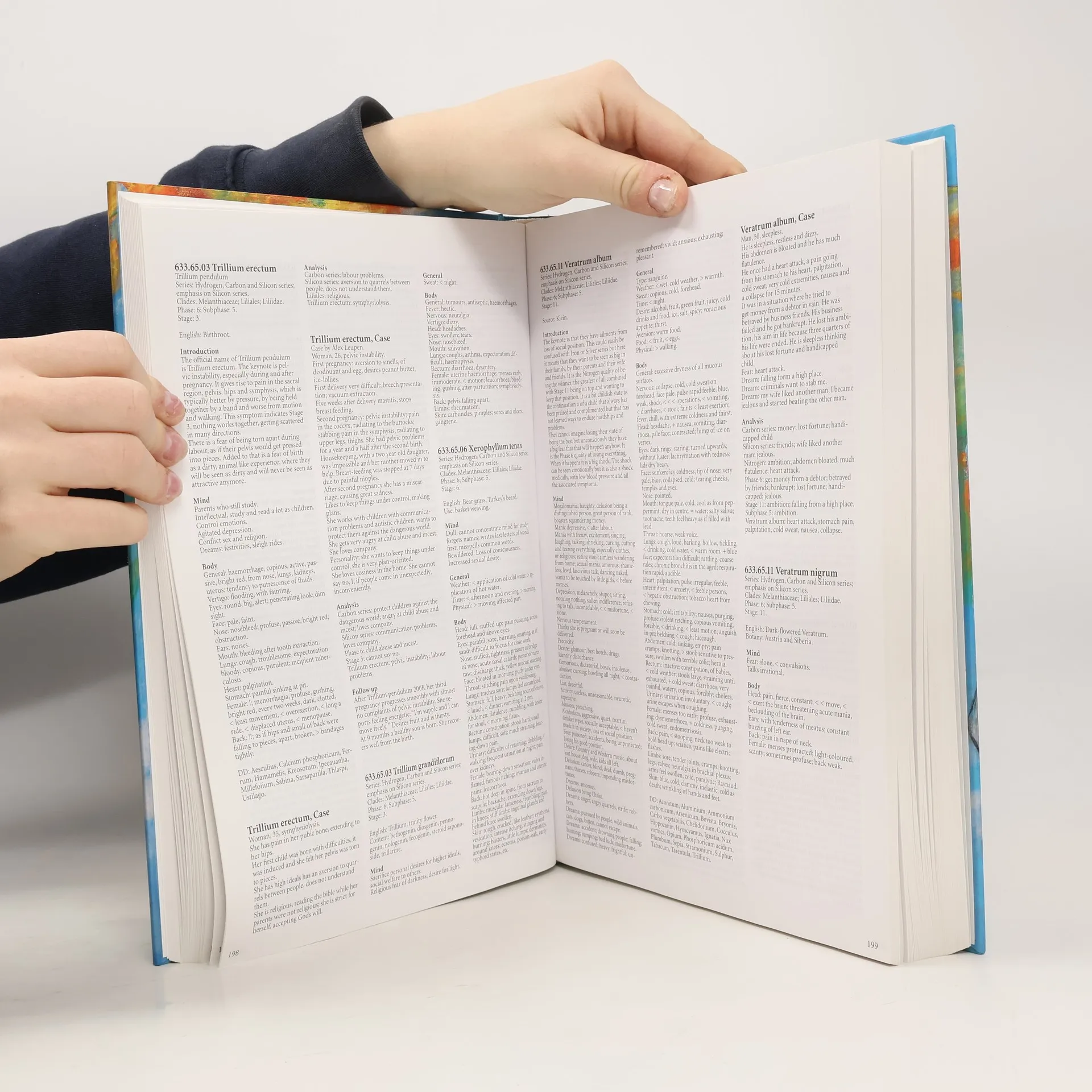
This book describes the use of plants in homeopathy. The Plant theory is described, which gives a Periodic System of the Plant kingdom. The Plant theory is based on the Apg3 classification, the botanical classification mostly accepted by botanists. The Plant theory allows precise differential diagnosis of plants and prediction of remedy pictures of specific plants. What is different about this book is that, although other current books discuss plant remedies in families and modern classifications, here we set them out in their classification grouping, rather than alphabetically as in a Materia Medica. This way we can see the themes running through the various levels of the different orders. This gives us an overview similar to what we get from viewing the remedies in the periodic table of the elements according to their series and stage. This has been a major task of compilation following extensive experience in the clinic and the input of many people. But it is only a beginning. More information will be added as we discover it, and details will be refined as they become clear. And you, the reader, can help in this task by sending in your experiences too! Roger savage I think this is a magnificent book, its scope and depth of research and thought are extraordinary. It provides a wonderful blueprint for others to build on in the future. John Summerville
Zakup książki
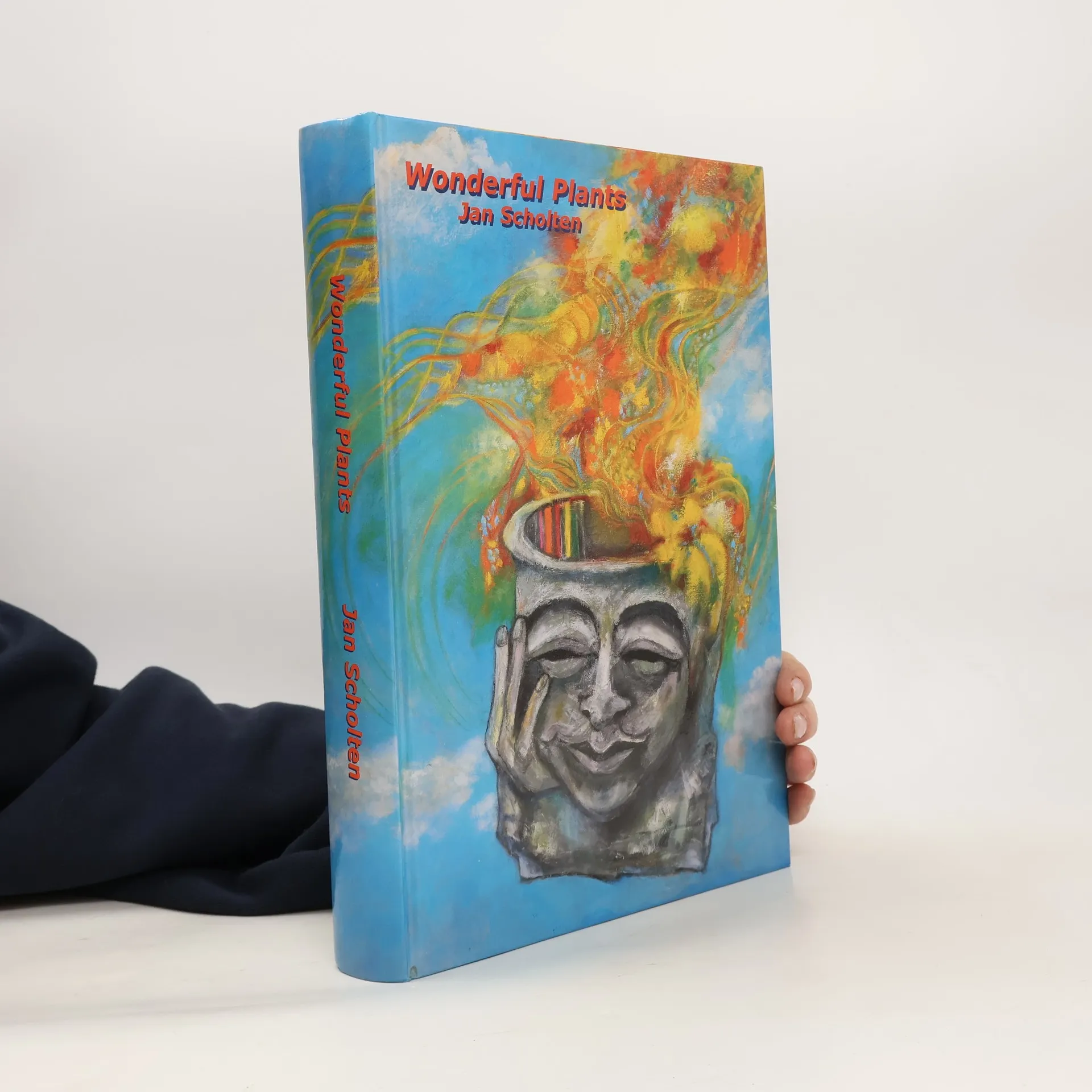
Wonderful Plants, Jan Scholten
- Język

- Rok wydania
- 2013
- Oprawa
- (twarda)
Metody płatności
Brakuje nam tutaj Twojej recenzji.
- Tytuł
- Wonderful Plants
- Język
- angielski
- Autorzy
- Jan Scholten
- Wydawca
- Stichting Alonnissos
- Rok wydania
- 2013
- Oprawa
- twarda
- Liczba stron
- 912
- ISBN10
- 9074817203
- ISBN13
- 9789074817202
- Seria
- Kategorie
- Tagi
- Encyklopedie, Rośliny
- Ocena
- 4 z 5
- Opis
- This book describes the use of plants in homeopathy. The Plant theory is described, which gives a Periodic System of the Plant kingdom. The Plant theory is based on the Apg3 classification, the botanical classification mostly accepted by botanists. The Plant theory allows precise differential diagnosis of plants and prediction of remedy pictures of specific plants. What is different about this book is that, although other current books discuss plant remedies in families and modern classifications, here we set them out in their classification grouping, rather than alphabetically as in a Materia Medica. This way we can see the themes running through the various levels of the different orders. This gives us an overview similar to what we get from viewing the remedies in the periodic table of the elements according to their series and stage. This has been a major task of compilation following extensive experience in the clinic and the input of many people. But it is only a beginning. More information will be added as we discover it, and details will be refined as they become clear. And you, the reader, can help in this task by sending in your experiences too! Roger savage I think this is a magnificent book, its scope and depth of research and thought are extraordinary. It provides a wonderful blueprint for others to build on in the future. John Summerville