

Więcej o książce
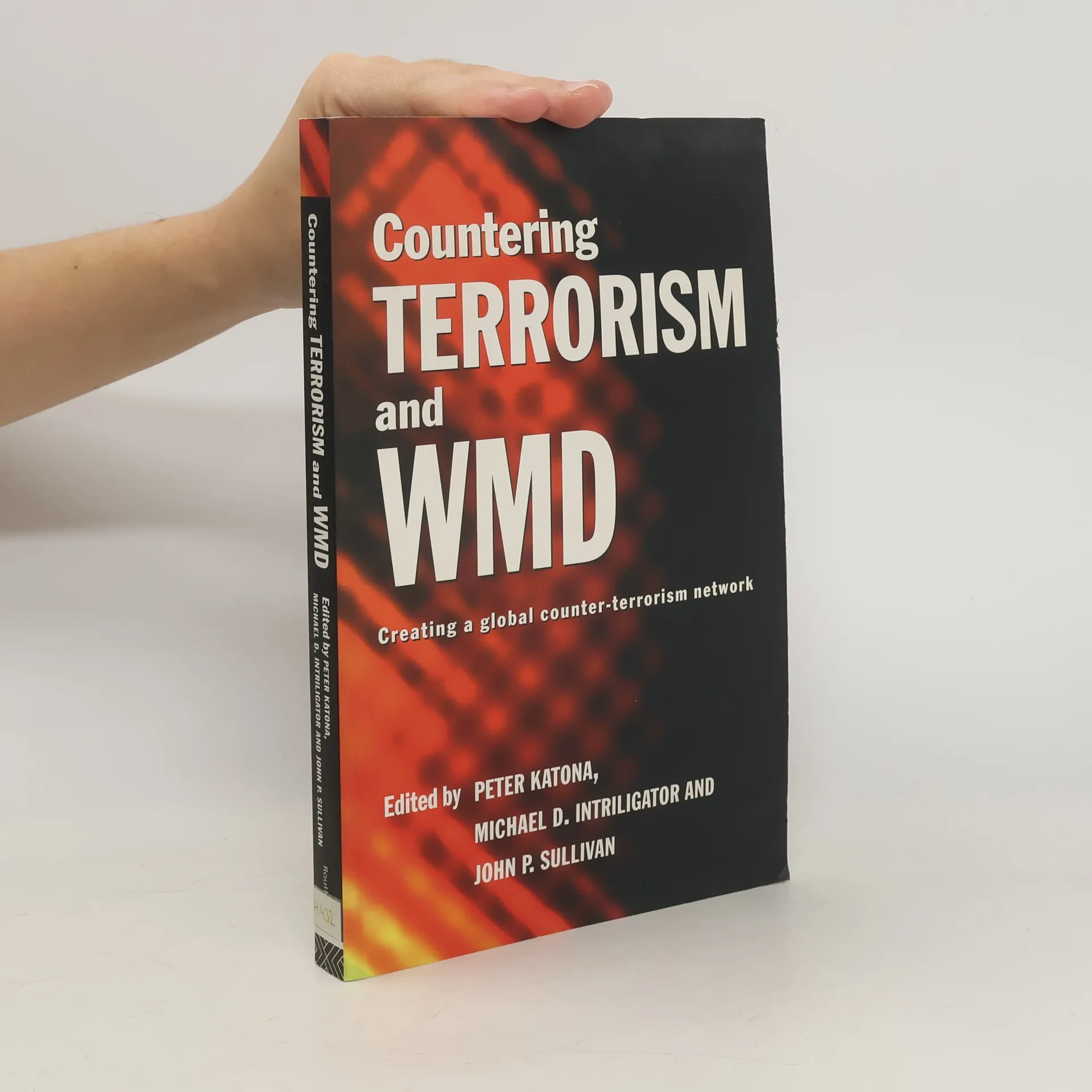
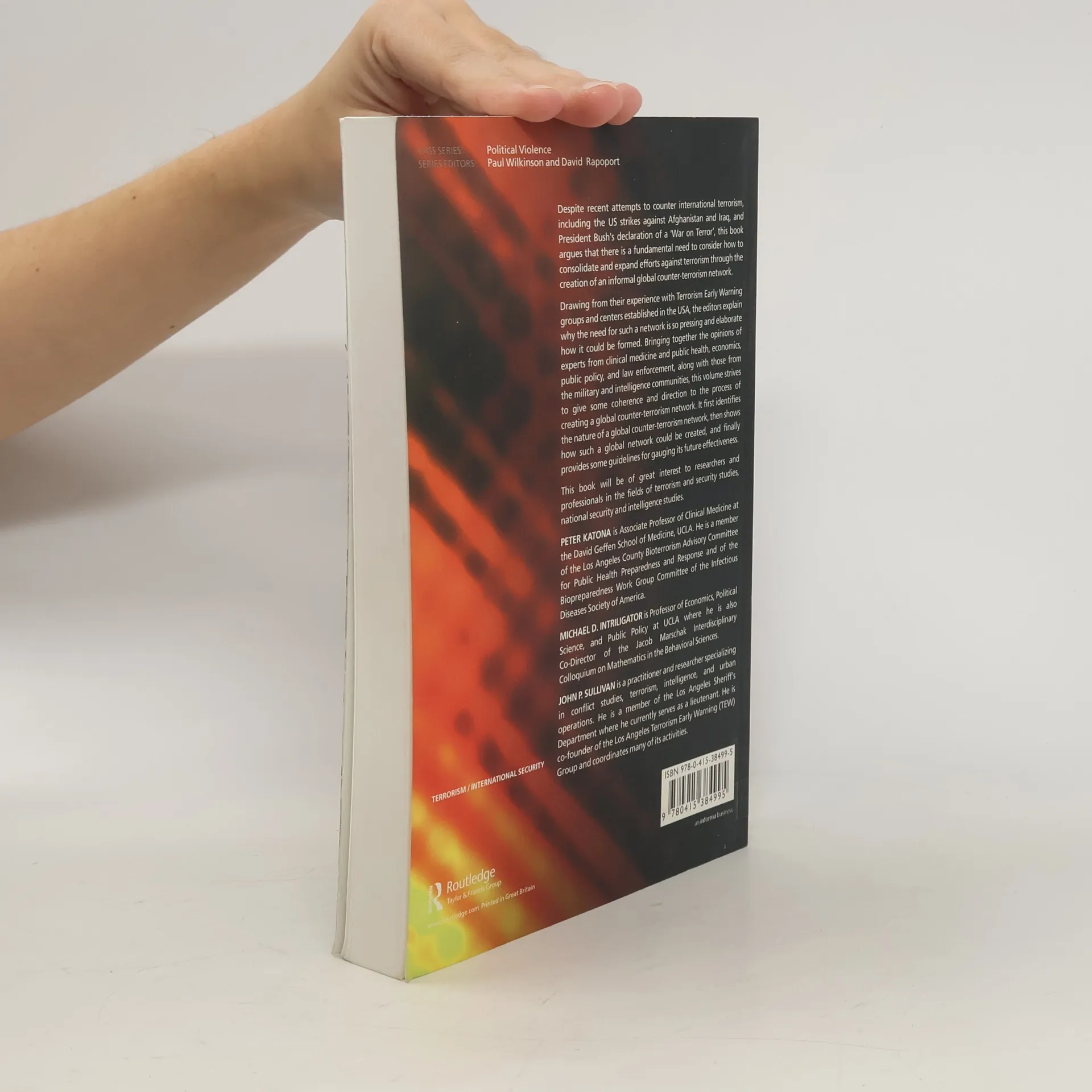
This volume shows us that in order to deal with today’s Fourth Generation asymmetric warfare by terrorist groups using conventional arms and weapons of mass destruction, we need a new ‘global networked’ approach. The contributors examine the various attempts that have been made to counter the latest wave of terrorism, including the US strikes against Afghanistan and Iraq, President George W. Bush's declaration of a ‘war against terrorism’, the creation of the US Department of Homeland Security, and the 9/11 Commission. Drawing from our experience with ‘Terrorism Early Warning’ and the co-production of counter-terrorism intelligence, this book explains the need for such a network and shows how it could be formed. It compiles the opinions of experts from clinical medicine, public policy, law enforcement and the military. These expert contributors identify the nature of a global counter-terrorism network, show how it could be created, and provide clear guidelines for gauging its future effectiveness. This book will be of great interest to all students of terrorism studies, US national security, international relations, and political science in general.
Zakup książki
Countering Terrorism and WMD, kolektiv
- Język

- Rok wydania
- 2006
- Oprawa
- (miękka)
Metody płatności
Brakuje nam tutaj Twojej recenzji.
- Tytuł
- Countering Terrorism and WMD
- Język
- angielski
- Autorzy
- kolektiv
- Wydawca
- Routledge
- Rok wydania
- 2006
- Oprawa
- miękka
- Liczba stron
- 300
- ISBN10
- 0415384990
- ISBN13
- 9780415384995
- Seria
- Ocena
- 3,7 z 5
- Opis
- This volume shows us that in order to deal with today’s Fourth Generation asymmetric warfare by terrorist groups using conventional arms and weapons of mass destruction, we need a new ‘global networked’ approach. The contributors examine the various attempts that have been made to counter the latest wave of terrorism, including the US strikes against Afghanistan and Iraq, President George W. Bush's declaration of a ‘war against terrorism’, the creation of the US Department of Homeland Security, and the 9/11 Commission. Drawing from our experience with ‘Terrorism Early Warning’ and the co-production of counter-terrorism intelligence, this book explains the need for such a network and shows how it could be formed. It compiles the opinions of experts from clinical medicine, public policy, law enforcement and the military. These expert contributors identify the nature of a global counter-terrorism network, show how it could be created, and provide clear guidelines for gauging its future effectiveness. This book will be of great interest to all students of terrorism studies, US national security, international relations, and political science in general.