



Parametry
- 432 strony
- 16 godzin czytania
Więcej o książce
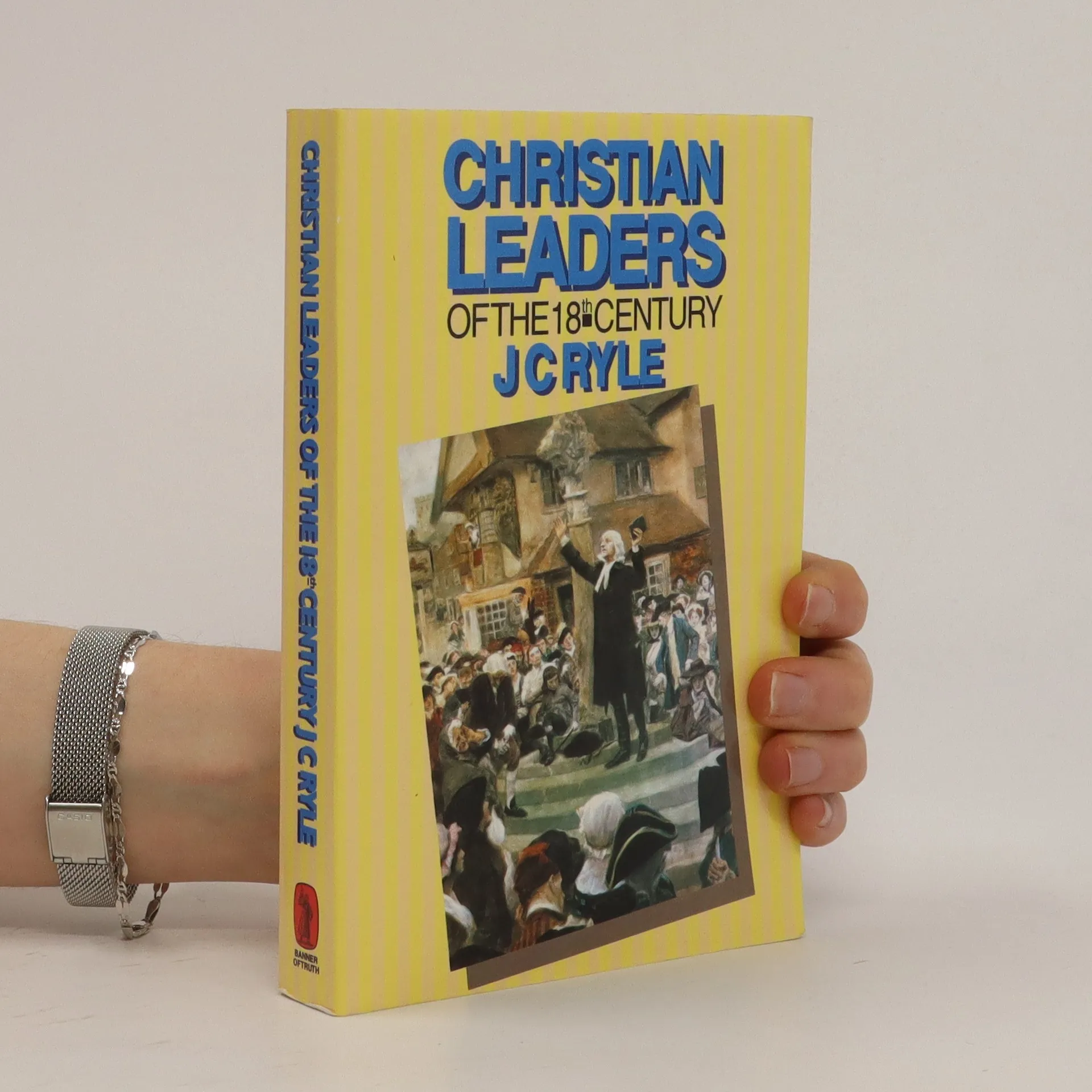
Although much has been written on the evangelical revival of the 18th century, J.C. Ryle's account remains the best popular introduction to this gerat spiritual era. The best introduction to the 18th century and undoubtedly Ryle's finest piece of historical writing. Contains vivid biographies of the men who 'shook England from one end to the another',giving strong reasons for his belief 'that excepting Luther and his Continental contemporaries, and our own martyred Reformers, the world has seen no such men since the days of the apostles.' But Ryle does not write to prompt admiration, and his conclusions and applications of his subject are among the most forceful that ever came from his pen. 'I am obliged to say plainly that, in my judgement, we have among us neither the men nor the doctrines of the days gone by...Once let the evangelical ministry return to the ways of the 18th century, and I firmly believe we should have as much success as before. We are where we are, because we have come short of our fathers.'
Zakup książki
Christian Leaders of the 18th century, John Charles Ryle
- Język

- Rok wydania
- 1997
- Oprawa
- (miękka)
Metody płatności
Brakuje nam tutaj Twojej recenzji.
- Tytuł
- Christian Leaders of the 18th century
- Język
- angielski
- Autorzy
- John Charles Ryle
- Rok wydania
- 1997
- Oprawa
- miękka
- Liczba stron
- 432
- ISBN10
- 0851512682
- ISBN13
- 9780851512686
- Seria
- Kategorie
- Tagi
- Tematy historyczne, Tematy religijne, Tematy chrześcijańskie, Teologia, Literatura chrześcijańska, Historia kościoła
- Ocena
- 4,5 z 5
- Opis
- Although much has been written on the evangelical revival of the 18th century, J.C. Ryle's account remains the best popular introduction to this gerat spiritual era. The best introduction to the 18th century and undoubtedly Ryle's finest piece of historical writing. Contains vivid biographies of the men who 'shook England from one end to the another',giving strong reasons for his belief 'that excepting Luther and his Continental contemporaries, and our own martyred Reformers, the world has seen no such men since the days of the apostles.' But Ryle does not write to prompt admiration, and his conclusions and applications of his subject are among the most forceful that ever came from his pen. 'I am obliged to say plainly that, in my judgement, we have among us neither the men nor the doctrines of the days gone by...Once let the evangelical ministry return to the ways of the 18th century, and I firmly believe we should have as much success as before. We are where we are, because we have come short of our fathers.'