

Więcej o książce
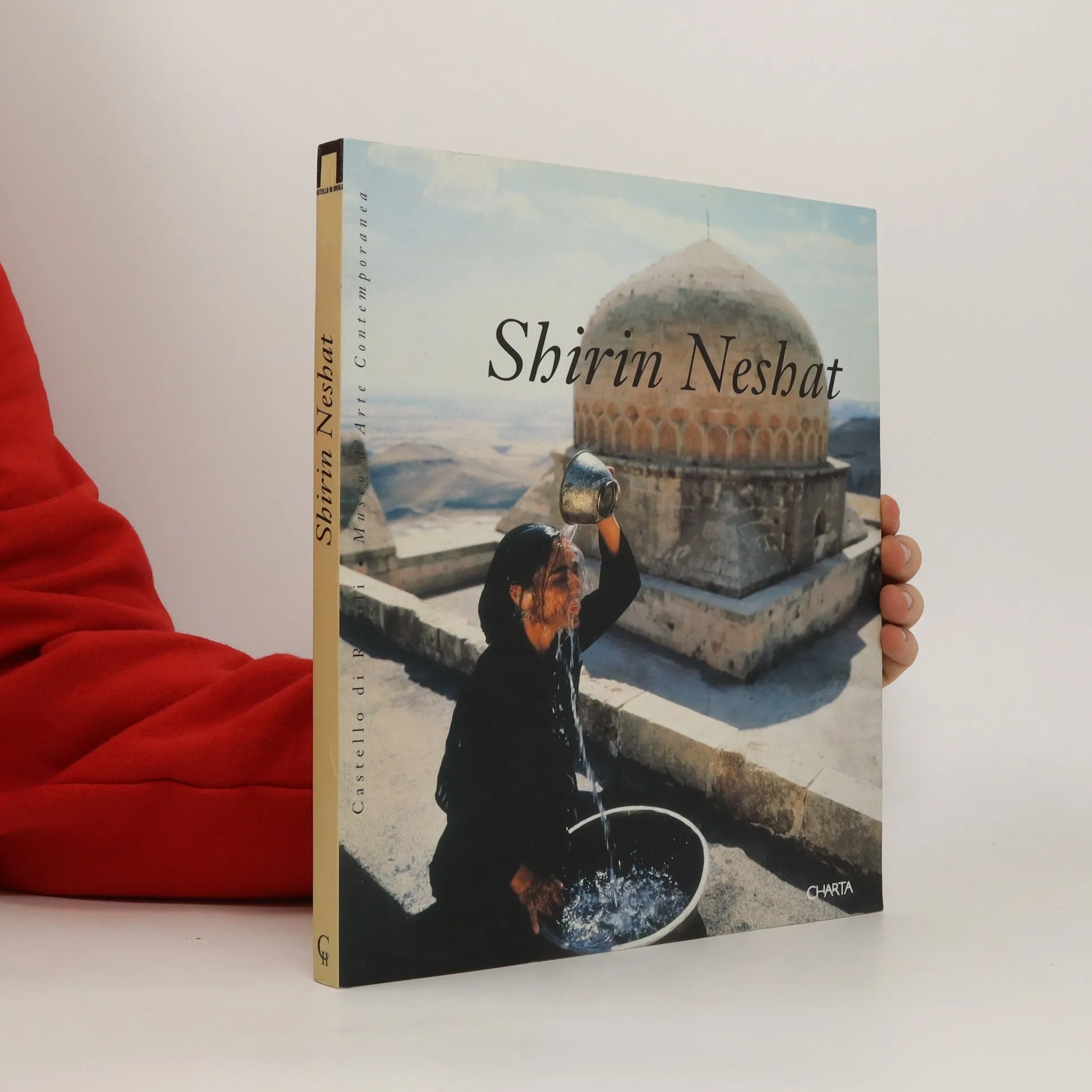
In Shirin Neshat's photographs, Persian calligraphic script is transcribed over black and white depictions of the exposed faces, hands, and feet of Iranian women. In her video works, swarms of women in black hijabs ululate, a man in a white dress shirt and black pants sings to an all-male audience, and a lone, nearly invisible woman chants to herself in a darkened house. Always aesthetically compelling, Neshat's work is equally thematically ambiguous, never settling on a simple or singular meaning, never offering social commentary within prescribed limits. Though focused on the particulars of sex segregation and the suppression of women in contemporary Iran, Neshat underscores the relevance of her poetic, disturbing, moving ensembles to a broader culture. This monograph documents and provides critical insight into the evolution of her work.
Zakup książki
Shirin Neshat, kolektiv
- Język


- Rok wydania
- 2002
- Oprawa
- (miękka)
Metody płatności
Brakuje nam tutaj Twojej recenzji.
- Tytuł
- Shirin Neshat
- Język
- angielski, włoski
- Autorzy
- kolektiv
- Wydawca
- Charta
- Rok wydania
- 2002
- Oprawa
- miękka
- Liczba stron
- 160
- ISBN10
- 8881583607
- ISBN13
- 9788881583607
- Seria
- Kategorie
- Tagi
- Sztuka
- Ocena
- 4 z 5
- Opis
- In Shirin Neshat's photographs, Persian calligraphic script is transcribed over black and white depictions of the exposed faces, hands, and feet of Iranian women. In her video works, swarms of women in black hijabs ululate, a man in a white dress shirt and black pants sings to an all-male audience, and a lone, nearly invisible woman chants to herself in a darkened house. Always aesthetically compelling, Neshat's work is equally thematically ambiguous, never settling on a simple or singular meaning, never offering social commentary within prescribed limits. Though focused on the particulars of sex segregation and the suppression of women in contemporary Iran, Neshat underscores the relevance of her poetic, disturbing, moving ensembles to a broader culture. This monograph documents and provides critical insight into the evolution of her work.