



Ocena książki
Więcej o książce
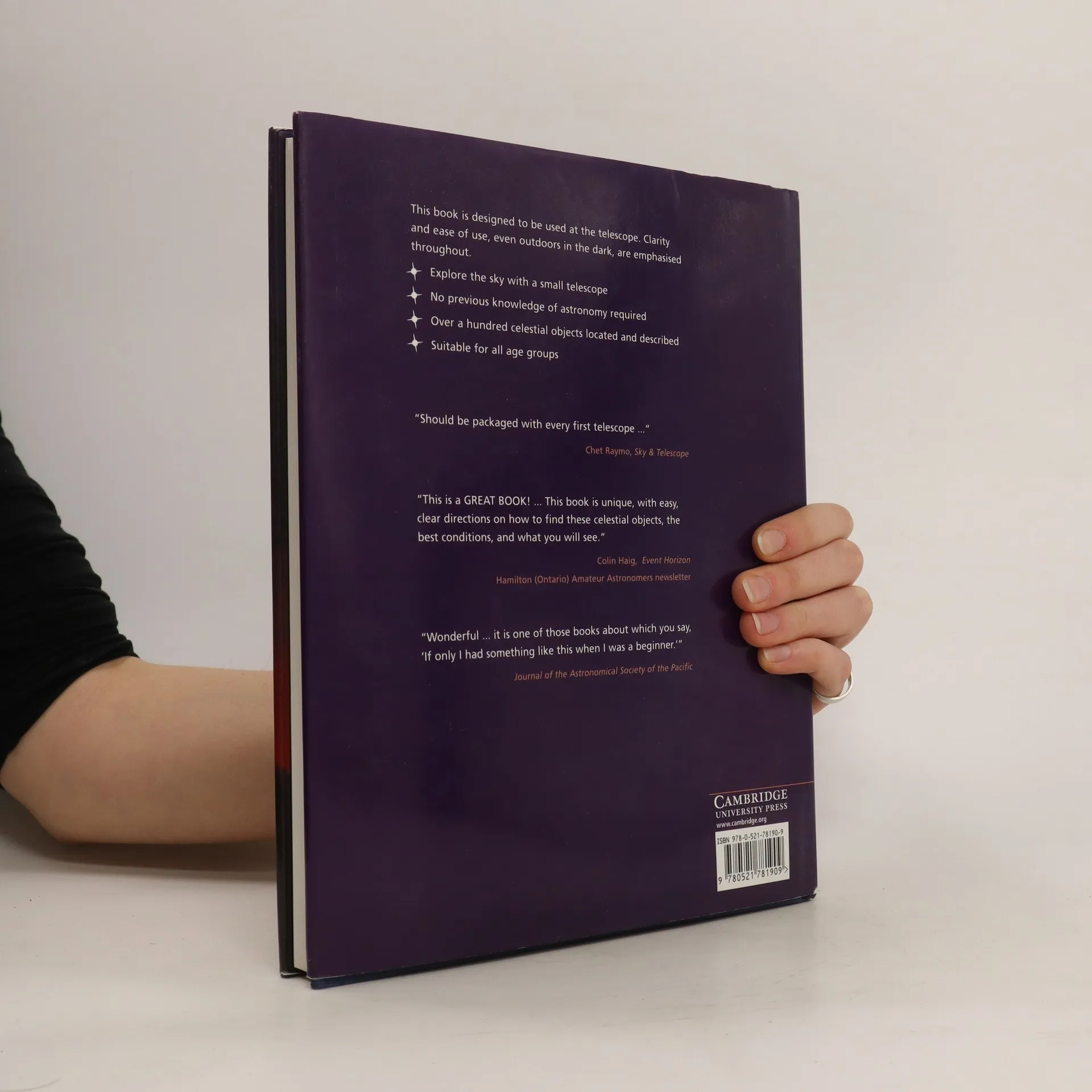
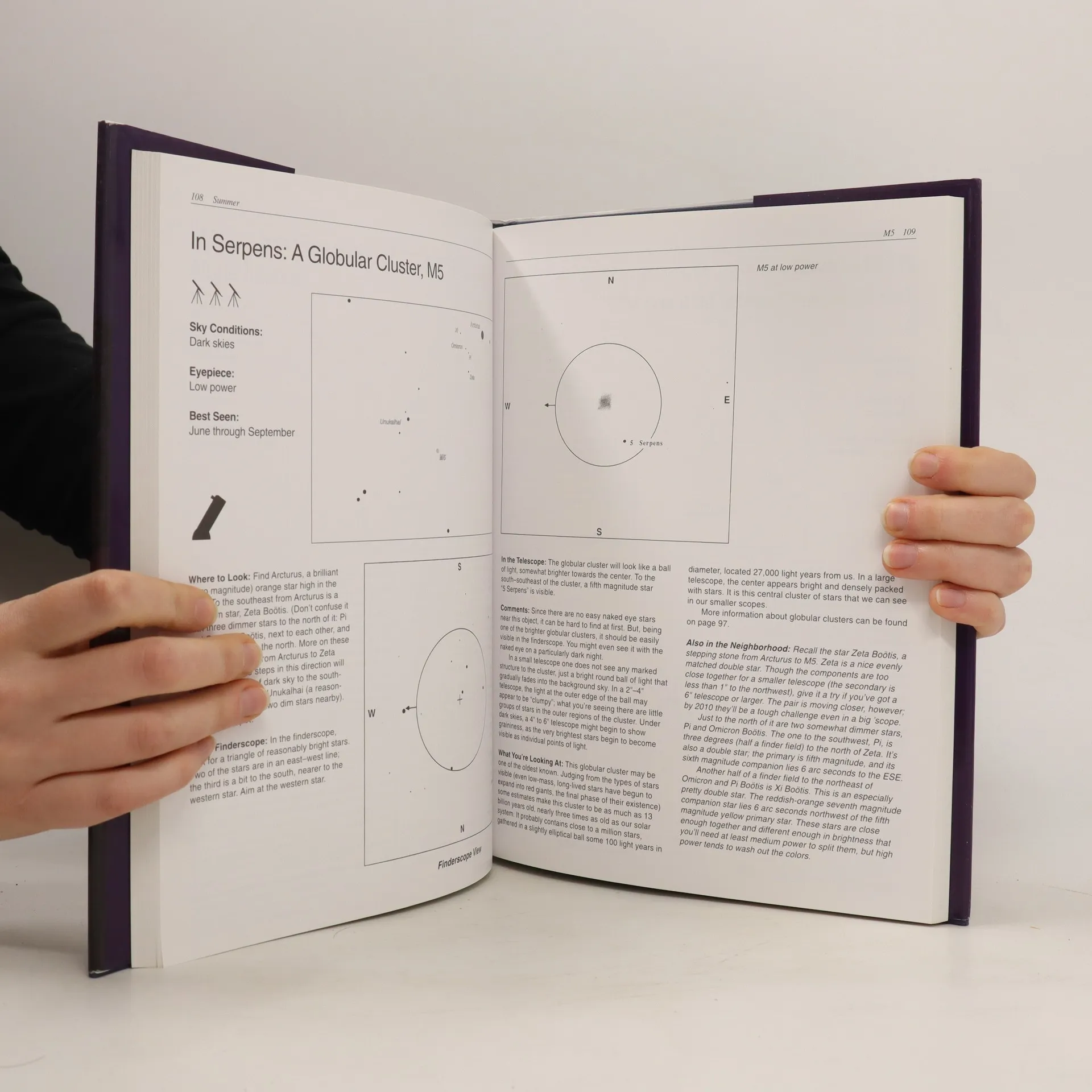
A superb guidebook described as the home astronomer's "bible," this resource equips beginning amateur astronomers with essential information for observing the Moon, planets, and various celestial objects. Large-format diagrams depict these objects as seen through a small telescope, accompanied by insights into current astronomical knowledge. The revised edition introduces a chapter with ten new spreads on spectacular deep sky objects visible from the southern hemisphere and offers tips for observing the transits of Venus. It covers Dobsonian telescopes and provides hints for using personal computers and the Internet to plan observing sessions. New features include redrawn "Guidepost" figures for a three-dimensional view of the sky's dome, redesigned seasonal object layouts for enhanced naked-eye charts, and a new spread on double stars near Boötes, replacing the previous "Shrinking Double" spread. Additionally, a unique "When and Where to Look" table has been added. Specifically tailored for observers using small telescopes, this clear and user-friendly guide will engage skywatchers of all ages and backgrounds, requiring no prior knowledge of astronomy.
Zakup książki
Turn left at Orion : a hundred night sky objects to see in a small telescope - and how to find them, Dan Michael Davis, Guy Consolmagno
- Język

- Rok wydania
- 2000
- Oprawa
- (twarda)
Metody płatności
Brakuje nam tutaj Twojej recenzji.
- Tytuł
- Turn left at Orion : a hundred night sky objects to see in a small telescope - and how to find them
- Język
- angielski
- Autorzy
- Dan Michael Davis, Guy Consolmagno
- Wydawca
- Cambridge University Press
- Rok wydania
- 2000
- Oprawa
- twarda
- Liczba stron
- 224
- ISBN10
- 0521781906
- ISBN13
- 9780521781909
- Seria
- Tagi
- Nauki przyrodnicze, Poradniki, Nauka, Kosmos
- Ocena
- 4,25 z 5
- Opis
- A superb guidebook described as the home astronomer's "bible," this resource equips beginning amateur astronomers with essential information for observing the Moon, planets, and various celestial objects. Large-format diagrams depict these objects as seen through a small telescope, accompanied by insights into current astronomical knowledge. The revised edition introduces a chapter with ten new spreads on spectacular deep sky objects visible from the southern hemisphere and offers tips for observing the transits of Venus. It covers Dobsonian telescopes and provides hints for using personal computers and the Internet to plan observing sessions. New features include redrawn "Guidepost" figures for a three-dimensional view of the sky's dome, redesigned seasonal object layouts for enhanced naked-eye charts, and a new spread on double stars near Boötes, replacing the previous "Shrinking Double" spread. Additionally, a unique "When and Where to Look" table has been added. Specifically tailored for observers using small telescopes, this clear and user-friendly guide will engage skywatchers of all ages and backgrounds, requiring no prior knowledge of astronomy.