

Więcej o książce
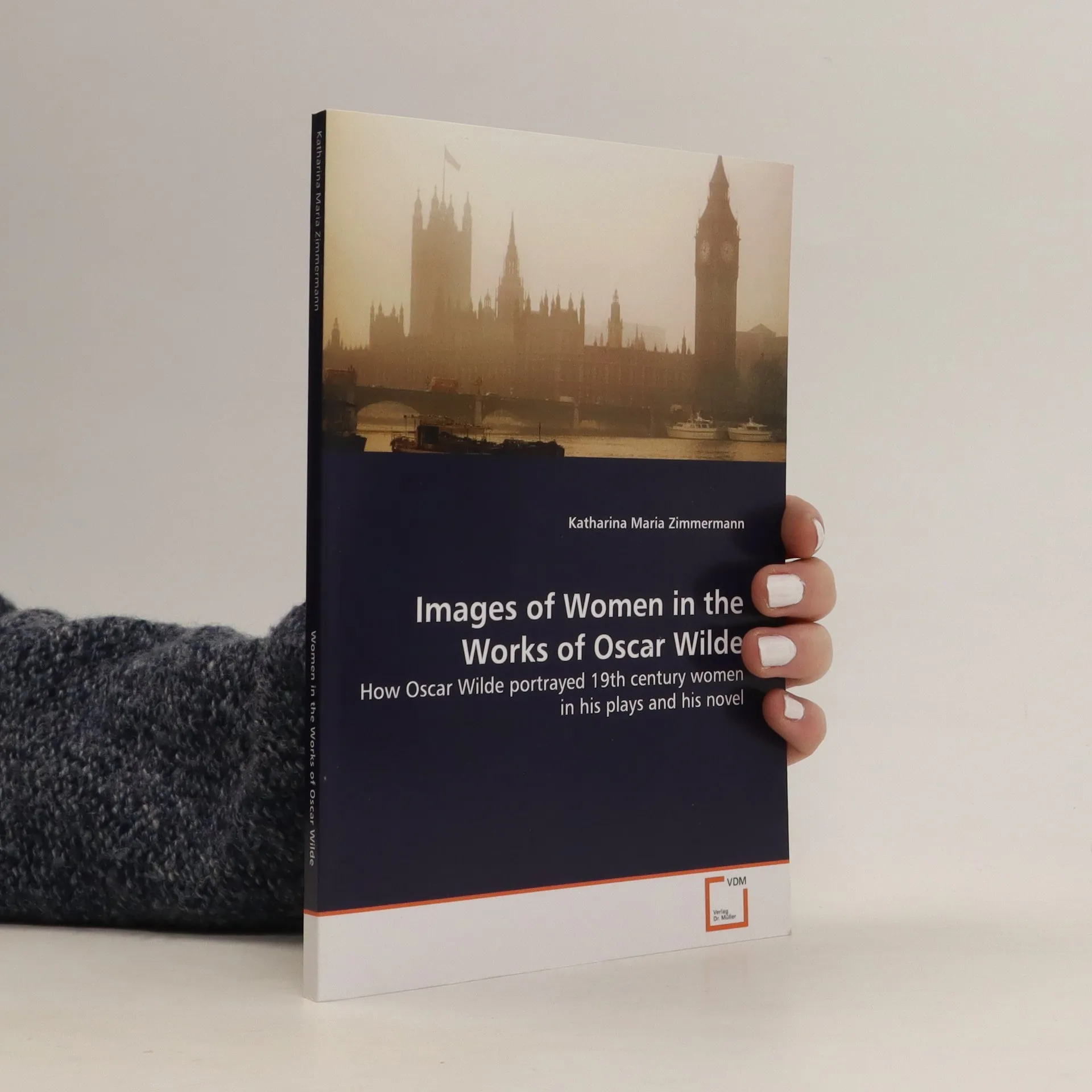
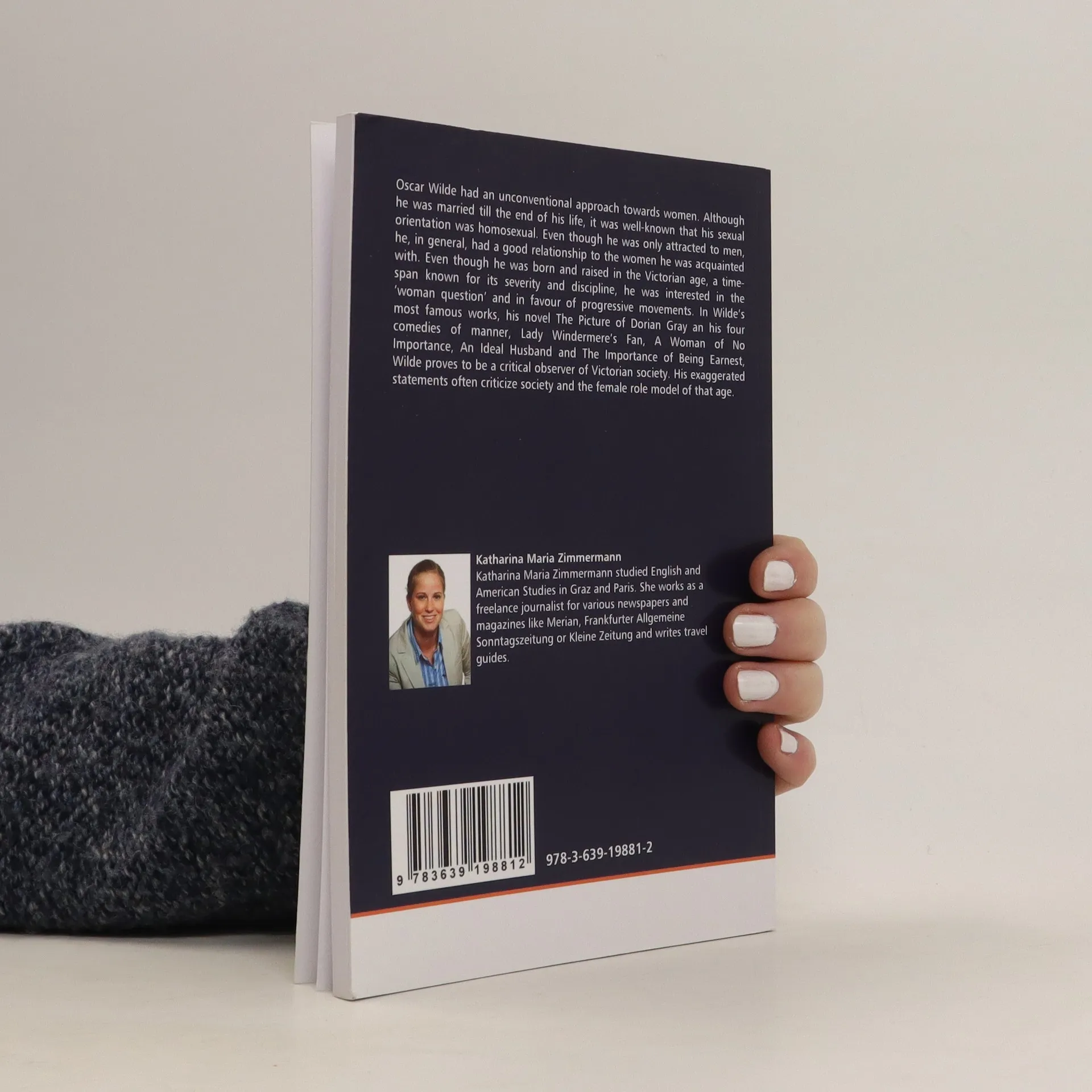
Oscar Wilde had an unconventional approach towards women. Although he was married till the end of his life, it was well-known that his sexual orientation was homosexual. Even though he was only attracted to men, he, in general, had a good relationship to the women he was acquainted with. Even though he was born and raised in the Victorian age, a time-span known for its severity and discipline, he was interested in the 'woman question' and in favour of progressive movements. In Wilde's most famous works, his novel The Picture of Dorian Gray an his four comedies of manner, Lady Windermere's Fan, A Woman of No Importance, An Ideal Husband and The Importance of Being Earnest, Wilde proves to be a critical observer of Victorian society. His exaggerated statements often criticize society and the female role model of that age.
Zakup książki
Images of Women in the Works of Oscar Wilde, Katharina Maria Zimmermann
- Język

- Rok wydania
- 2011
- Oprawa
- (miękka)
Metody płatności
Nikt jeszcze nie ocenił.
- Tytuł
- Images of Women in the Works of Oscar Wilde
- Język
- angielski
- Autorzy
- Katharina Maria Zimmermann
- Wydawca
- VDM Verlag Dr. Müller
- Rok wydania
- 2011
- Oprawa
- miękka
- Liczba stron
- 112
- ISBN10
- 3639198816
- ISBN13
- 9783639198812
- Seria
- Kategorie
- Opis
- Oscar Wilde had an unconventional approach towards women. Although he was married till the end of his life, it was well-known that his sexual orientation was homosexual. Even though he was only attracted to men, he, in general, had a good relationship to the women he was acquainted with. Even though he was born and raised in the Victorian age, a time-span known for its severity and discipline, he was interested in the 'woman question' and in favour of progressive movements. In Wilde's most famous works, his novel The Picture of Dorian Gray an his four comedies of manner, Lady Windermere's Fan, A Woman of No Importance, An Ideal Husband and The Importance of Being Earnest, Wilde proves to be a critical observer of Victorian society. His exaggerated statements often criticize society and the female role model of that age.