

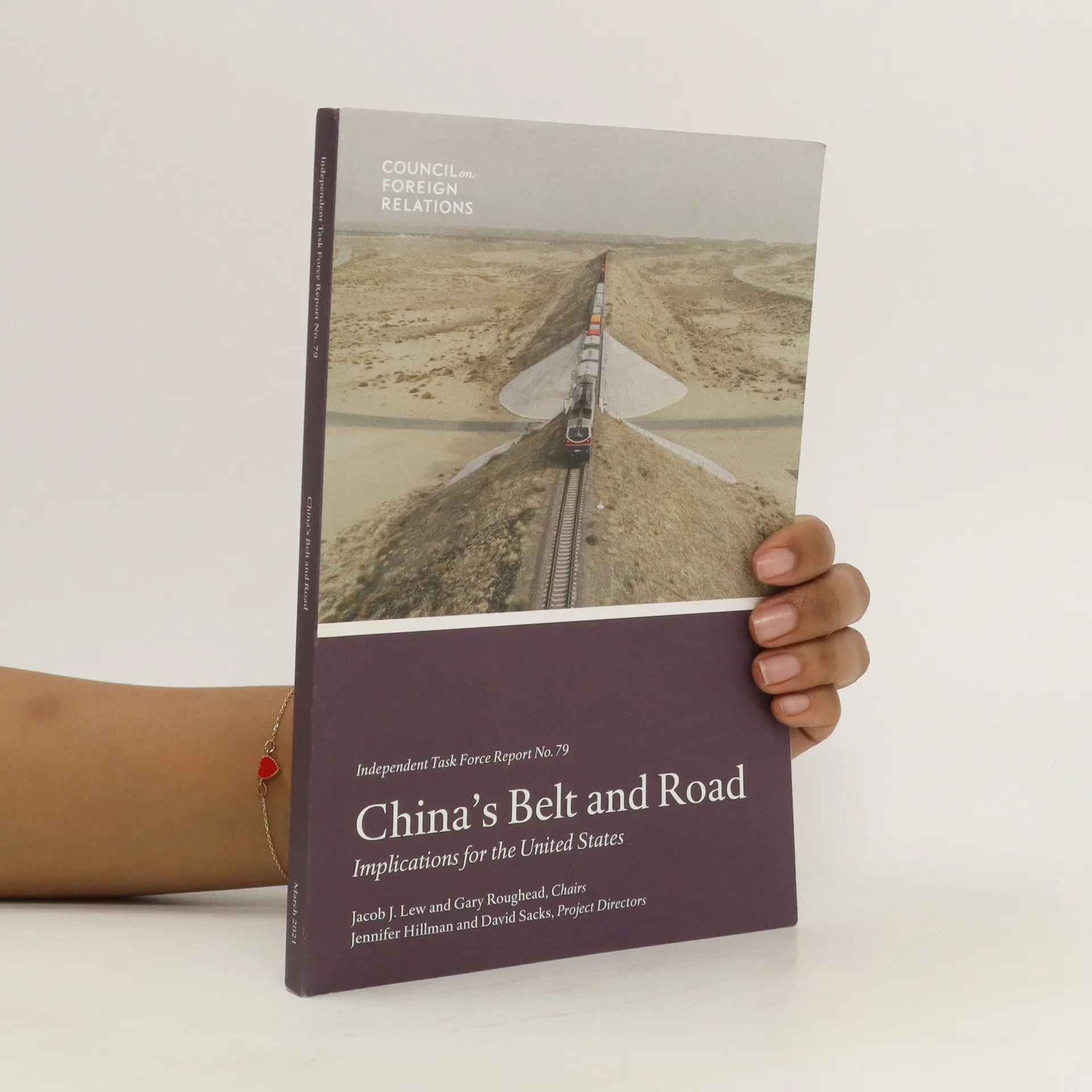
China's belt and road, Implications for the United States, Independent task force report no. 79
Autorzy
Ocena książki
Więcej o książce
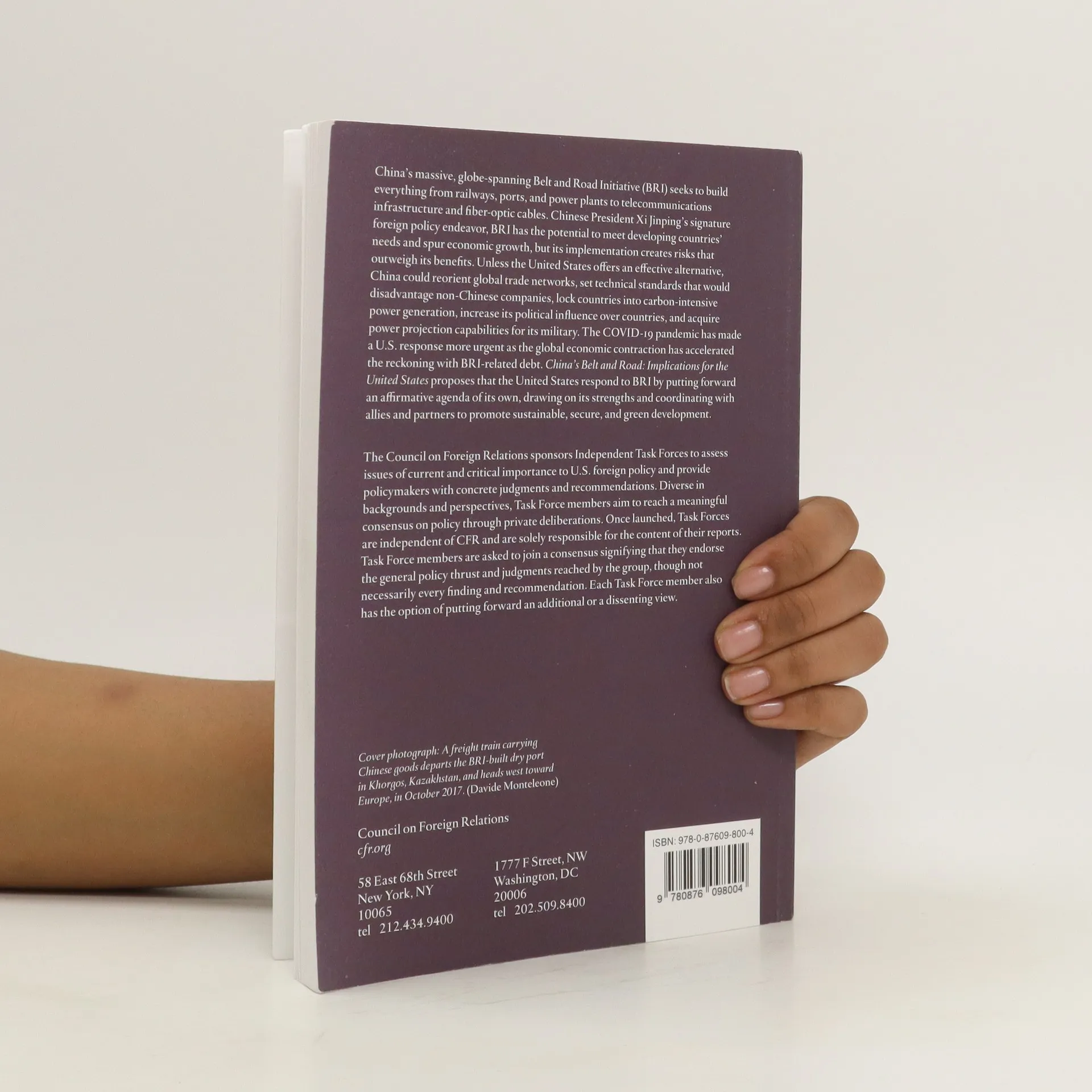
China's massive, globe-spanning Belt and Road Initiative (BRI) seeks to build everything from railways, ports, and power plants to telecommunications infrastructure and fiber-optic cables. Chinese President Xi Jinping's signature foreign policy endeavor, BRI has the potential to meet developing countries' needs and spur economic growth, but its implementation creates risks that outweigh its benefits. Unless the United States offers an effective alternative, China could reorient global trade networks, set technical standards that would disadvantage non-Chinese companies, lock countries into carbon-intensive power generation, increase its political influence over countries, and acquire power projection capabilities for its military. The COVID-19 pandemic has made a U.S. response more urgent as the global economic contraction has accelerated the reckoning with BRI-related debt. China's Belt and Road: Implications for the United States proposes that the United States respond to BRI by putting forward an affirmative agenda of its own, drawing on its strengths and coordinating with allies and partners to promote sustainable, secure, and green development.
Zakup książki
China's belt and road, Implications for the United States, Independent task force report no. 79, Jacob J. Lew, Gary Roughead
- Język

- Rok wydania
- 2021
- Oprawa
- (miękka)
Metody płatności
Brakuje nam tutaj Twojej recenzji.
- Tytuł
- China's belt and road, Implications for the United States, Independent task force report no. 79
- Język
- angielski
- Autorzy
- Jacob J. Lew, Gary Roughead
- Wydawca
- Council on Foreign Relations
- Rok wydania
- 2021
- Oprawa
- miękka
- ISBN10
- 0876098006
- ISBN13
- 9780876098004
- Seria
- Ocena
- 5 z 5
- Opis
- China's massive, globe-spanning Belt and Road Initiative (BRI) seeks to build everything from railways, ports, and power plants to telecommunications infrastructure and fiber-optic cables. Chinese President Xi Jinping's signature foreign policy endeavor, BRI has the potential to meet developing countries' needs and spur economic growth, but its implementation creates risks that outweigh its benefits. Unless the United States offers an effective alternative, China could reorient global trade networks, set technical standards that would disadvantage non-Chinese companies, lock countries into carbon-intensive power generation, increase its political influence over countries, and acquire power projection capabilities for its military. The COVID-19 pandemic has made a U.S. response more urgent as the global economic contraction has accelerated the reckoning with BRI-related debt. China's Belt and Road: Implications for the United States proposes that the United States respond to BRI by putting forward an affirmative agenda of its own, drawing on its strengths and coordinating with allies and partners to promote sustainable, secure, and green development.