

Parametry
Więcej o książce
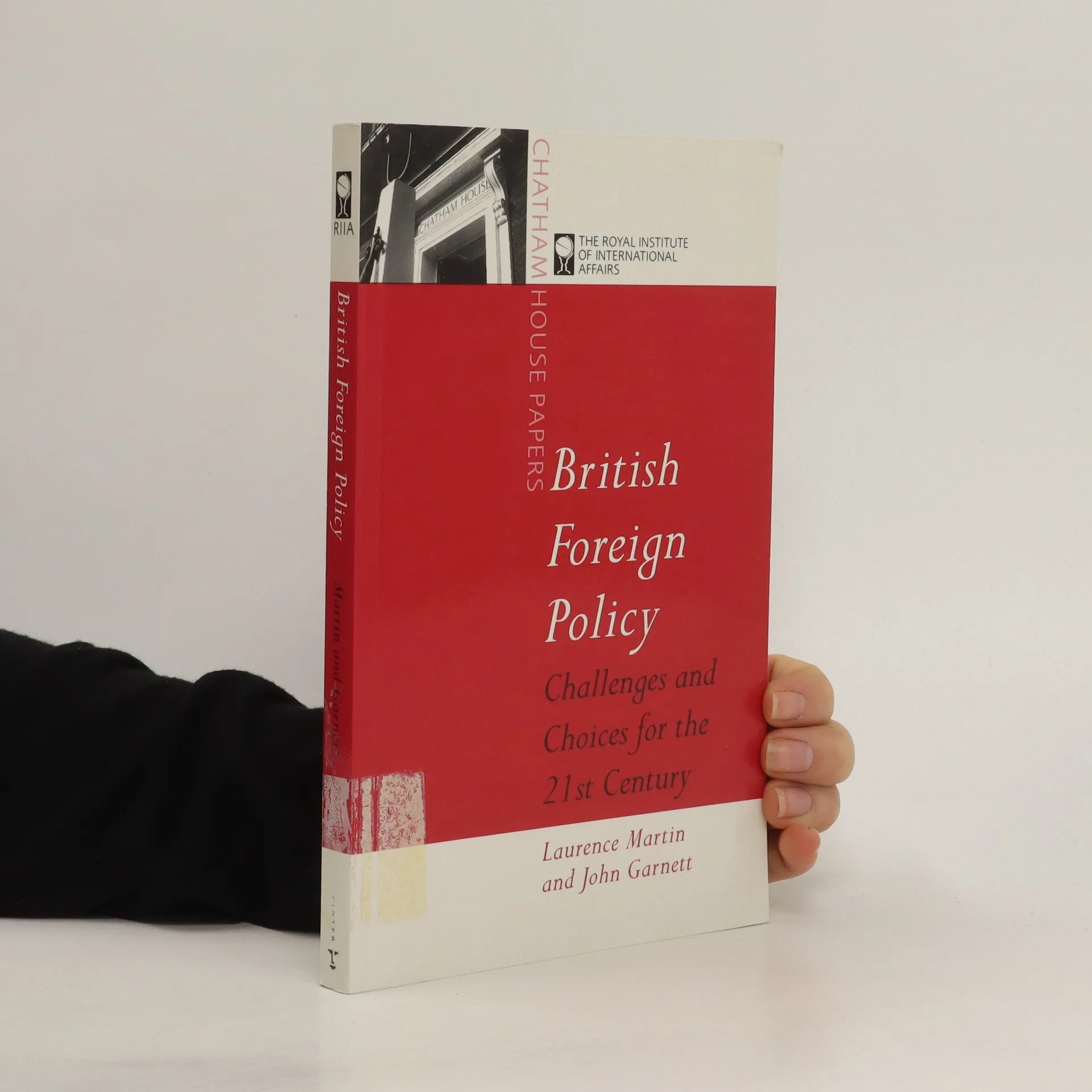
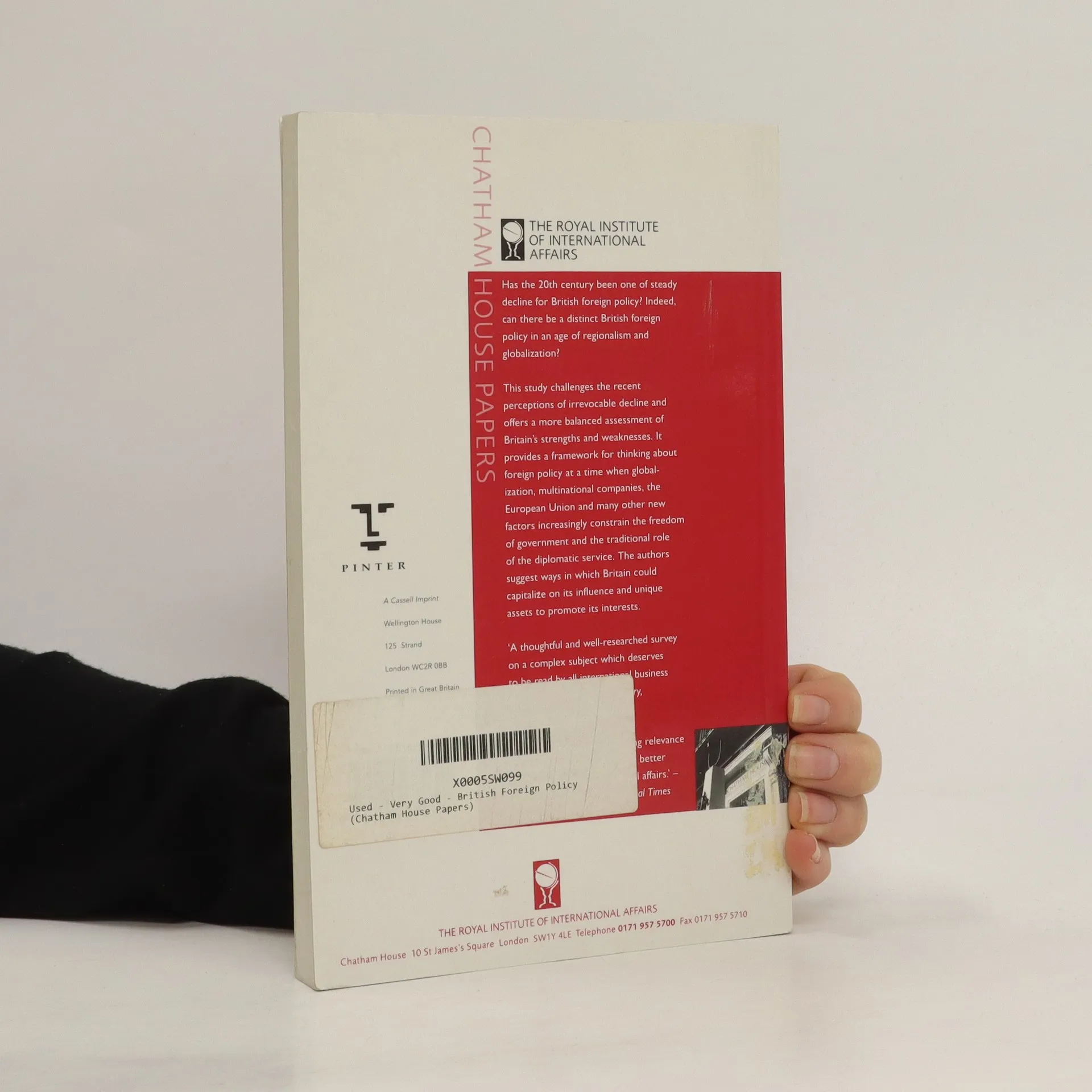
Has the 20th century been one of steady decline for British foreign policy? Can there be a distinct British foreign policy in age of regionalism and globalization? This study challenges perceptions of irrevocable decline and suggests a more balanced assessment of Britain's strengths and weaknesses. As "high politics", including security concerns diminish in importance, economic and commercial concerns increasingly seem to dictate foreign policy. On the assumption that what the population seeks is a combination of physical security, prosperity and what could be termed "moral self-approbation", this study suggests ways in which Britain could capitalize on its influence and assets to promote its interests. A framework is provided for thinking about British foreign policy at a time when globalization, multinational companies, NGOs, the European Union and other factors increasingly constrain the freedom of government and the traditional role of the foreign office.
Zakup książki
British Foreign Policy : Challenges and Choices for the 21st Century, John Garnett, Laurence Martin
- Język

- Rok wydania
- 1997
- Oprawa
- (miękka)
Metody płatności
Brakuje nam tutaj Twojej recenzji.
- Tytuł
- British Foreign Policy : Challenges and Choices for the 21st Century
- Język
- angielski
- Autorzy
- John Garnett, Laurence Martin
- Wydawca
- Pinter
- Rok wydania
- 1997
- Oprawa
- miękka
- ISBN10
- 1855674696
- ISBN13
- 9781855674691
- Seria
- Tagi
- Ocena
- 4 z 5
- Opis
- Has the 20th century been one of steady decline for British foreign policy? Can there be a distinct British foreign policy in age of regionalism and globalization? This study challenges perceptions of irrevocable decline and suggests a more balanced assessment of Britain's strengths and weaknesses. As "high politics", including security concerns diminish in importance, economic and commercial concerns increasingly seem to dictate foreign policy. On the assumption that what the population seeks is a combination of physical security, prosperity and what could be termed "moral self-approbation", this study suggests ways in which Britain could capitalize on its influence and assets to promote its interests. A framework is provided for thinking about British foreign policy at a time when globalization, multinational companies, NGOs, the European Union and other factors increasingly constrain the freedom of government and the traditional role of the foreign office.