


Parametry
Więcej o książce
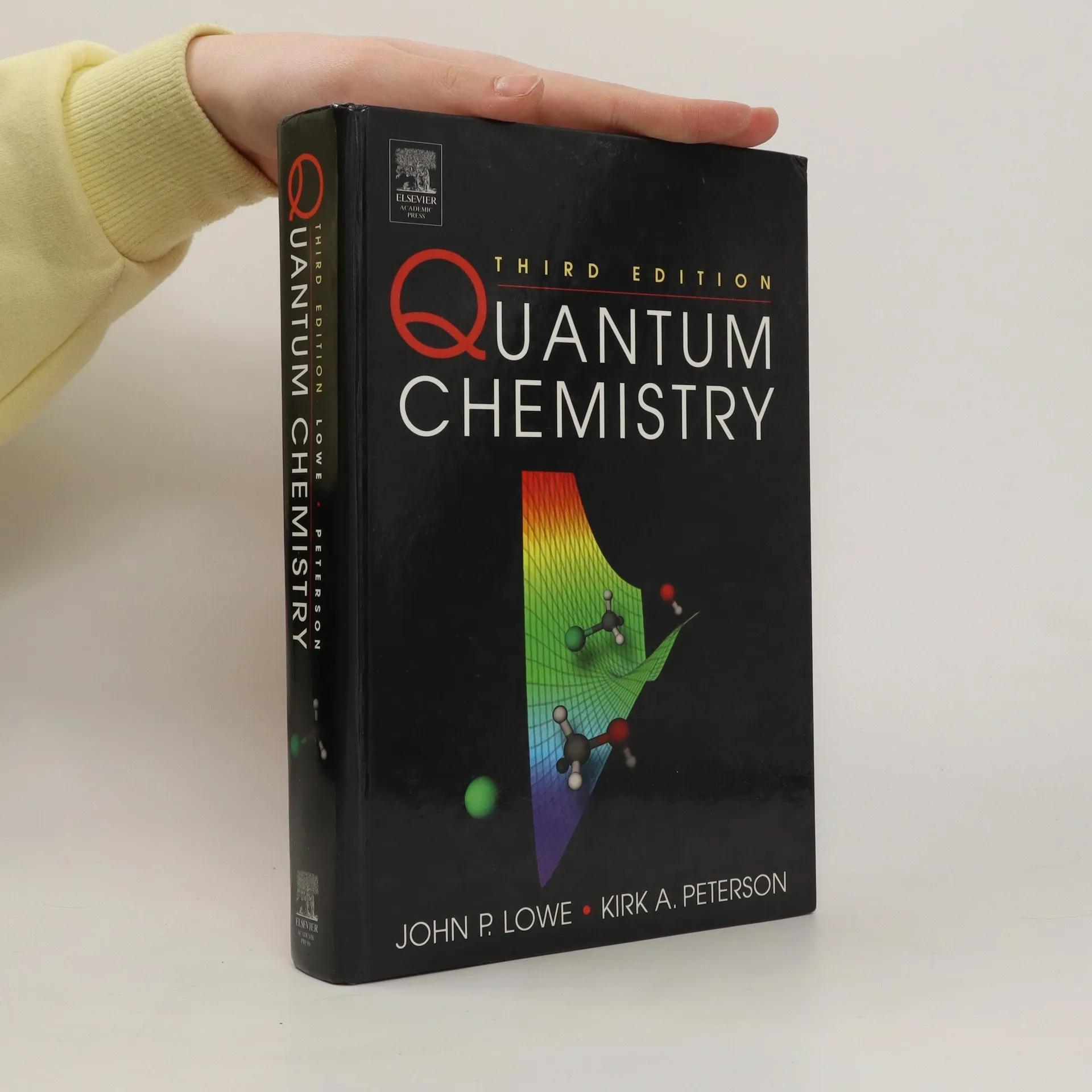
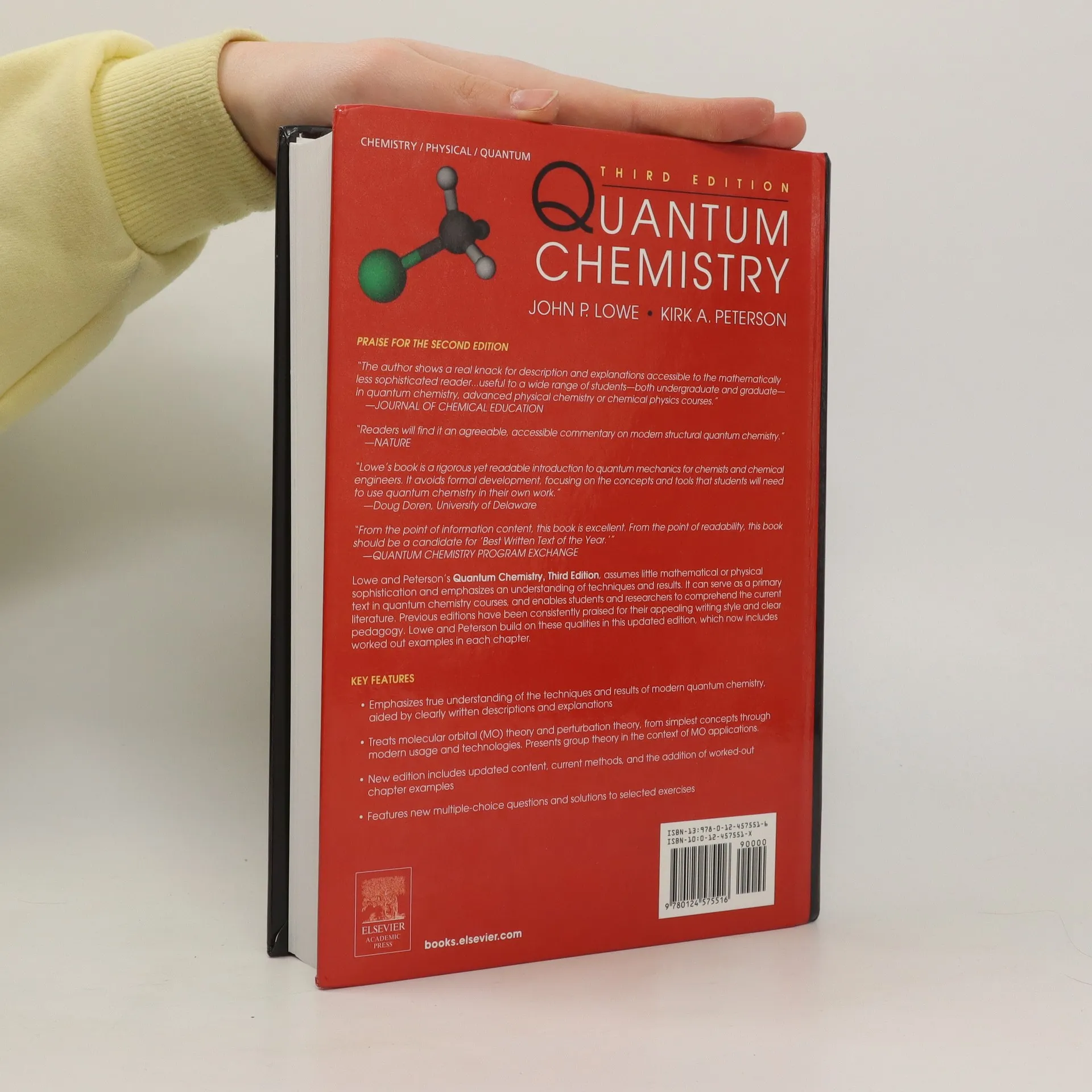
Lowe's new edition assumes little mathematical or physical sophistication and emphasizes an understanding of the techniques and results of quantum chemistry. It can serve as a primary text in quantum chemistry courses, and enables students and researchers to comprehend the current literature. This third edition has been thoroughly updated and includes numerous new exercises to facilitate self-study and solutions to selected exercises. Assumes little initial mathematical or physical sophistication, developing insights and abilities in the context of actual problems Provides thorough treatment of the simple systems basic to this subject Emphasizes UNDERSTANDING of the techniques and results of modern quantum chemistry Treats MO theory from simple Huckel through ab intio methods in current use Develops perturbation theory through the topics of orbital interaction as well as spectroscopic selection rules Presents group theory in a context of MO applications Includes qualitative MO theory of molecular structure, Walsh rules, Woodward-Hoffmann rules, frontier orbitals, and organic reactions Develops MO theory of periodic systems, with applications to organic polymers.
Zakup książki
Quantum Chemistry, John P. Lowe, Kirk A. Peterson
- Język

- Rok wydania
- 2006
- Oprawa
- (twarda)
Metody płatności
Brakuje nam tutaj Twojej recenzji.
- Tytuł
- Quantum Chemistry
- Język
- angielski
- Autorzy
- John P. Lowe, Kirk A. Peterson
- Wydawca
- Elsevier
- Rok wydania
- 2006
- Oprawa
- twarda
- ISBN10
- 012457551x
- ISBN13
- 9780124575516
- Seria
- Ocena
- 4,35 z 5
- Opis
- Lowe's new edition assumes little mathematical or physical sophistication and emphasizes an understanding of the techniques and results of quantum chemistry. It can serve as a primary text in quantum chemistry courses, and enables students and researchers to comprehend the current literature. This third edition has been thoroughly updated and includes numerous new exercises to facilitate self-study and solutions to selected exercises. Assumes little initial mathematical or physical sophistication, developing insights and abilities in the context of actual problems Provides thorough treatment of the simple systems basic to this subject Emphasizes UNDERSTANDING of the techniques and results of modern quantum chemistry Treats MO theory from simple Huckel through ab intio methods in current use Develops perturbation theory through the topics of orbital interaction as well as spectroscopic selection rules Presents group theory in a context of MO applications Includes qualitative MO theory of molecular structure, Walsh rules, Woodward-Hoffmann rules, frontier orbitals, and organic reactions Develops MO theory of periodic systems, with applications to organic polymers.