

Więcej o książce
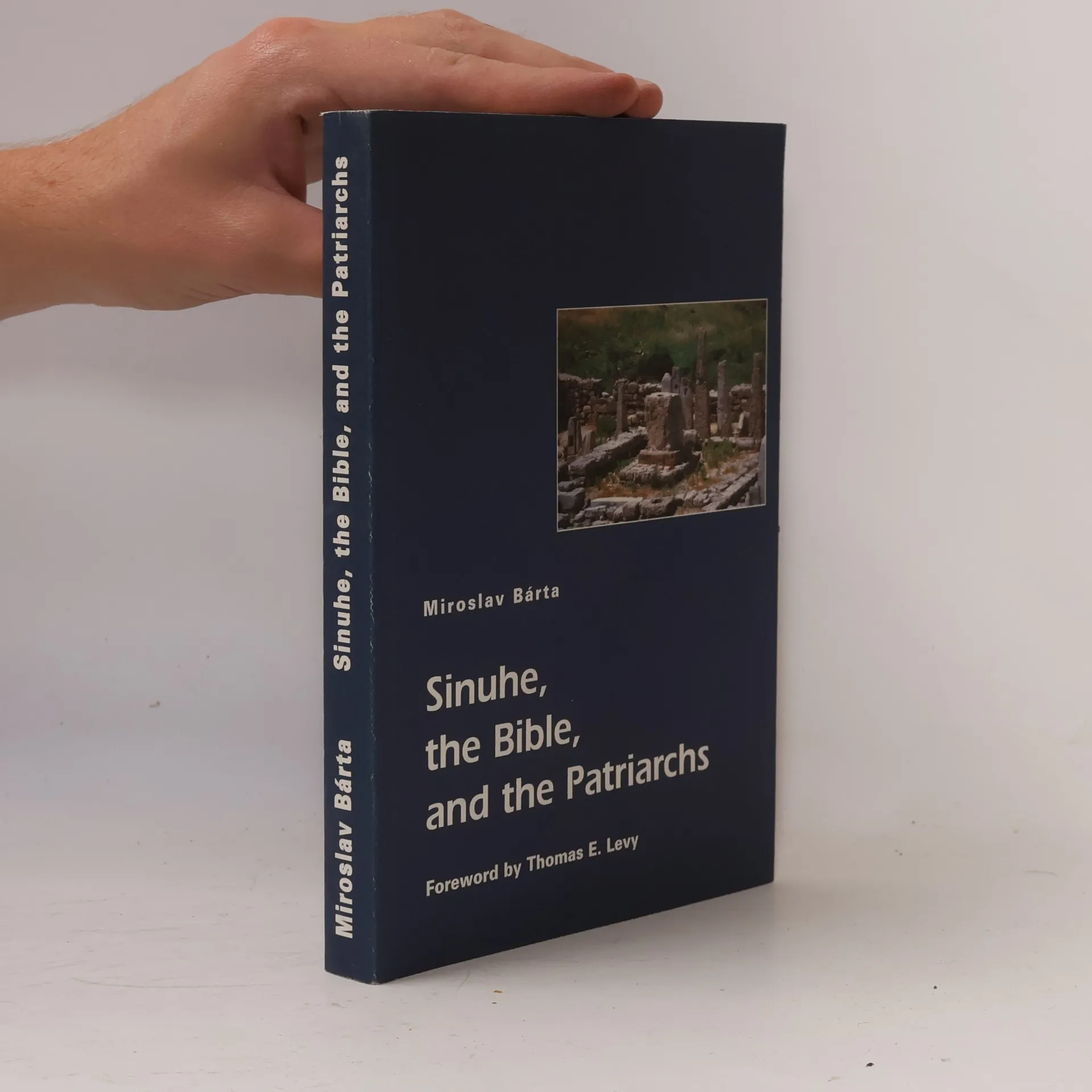
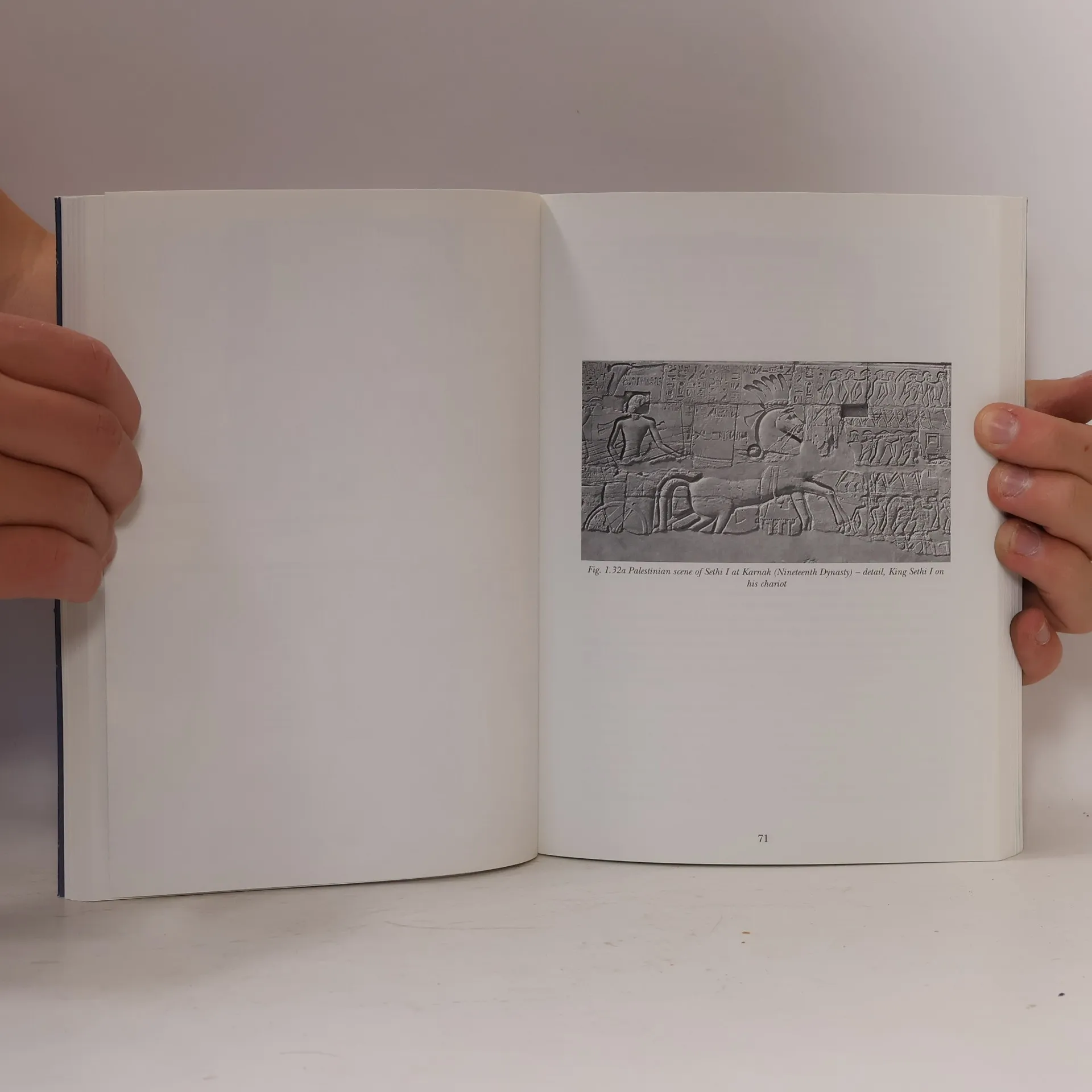
The legendary figure of Sinuhe, an Egyptian administrator who fled Egypt upon the assassination of the king later to return without reprisals, is preserved in the Tales of Sinhue found on a number of papyri and ostraca. This study not only includes a translation of the Tale, with commentary, but goes further to explore the historical and political context in which it was written in Middle Kingdom Egypt. Arguing that there is no evidence to suggest that Sinuhe was ever a real historical figure, Barta presents evidence for Sinuhe being a fictitious character, a piece of political propaganda set in an idealised society. Beyond the Tale itself, Barta examines a wide range of Egyptian docuemnts and archaeological evidence from Egypt and the Southern Levant from the early 2nd millennium BC.
Zakup książki
Sinuhe, the Bible, and the patriarchs, Miroslav Bárta
- Język

- Rok wydania
- 2003
- Oprawa
- (miękka)
Metody płatności
Nikt jeszcze nie ocenił.
- Tytuł
- Sinuhe, the Bible, and the patriarchs
- Język
- angielski
- Autorzy
- Miroslav Bárta
- Wydawca
- Set out
- Rok wydania
- 2003
- Oprawa
- miękka
- Liczba stron
- 285
- ISBN10
- 8086277313
- ISBN13
- 9788086277318
- Seria
- Kategorie
- Tagi
- Opis
- The legendary figure of Sinuhe, an Egyptian administrator who fled Egypt upon the assassination of the king later to return without reprisals, is preserved in the Tales of Sinhue found on a number of papyri and ostraca. This study not only includes a translation of the Tale, with commentary, but goes further to explore the historical and political context in which it was written in Middle Kingdom Egypt. Arguing that there is no evidence to suggest that Sinuhe was ever a real historical figure, Barta presents evidence for Sinuhe being a fictitious character, a piece of political propaganda set in an idealised society. Beyond the Tale itself, Barta examines a wide range of Egyptian docuemnts and archaeological evidence from Egypt and the Southern Levant from the early 2nd millennium BC.