



Parametry
Więcej o książce
Stimulate lively discussions with activities for a variety of situationsIn 52 Activities for Exploring Values Differences , Donna Stringer and Patricia Cassiday have written and adapted sound, ready-to-use activities for settings where the exploration of values differences is the workplace, the classroom, corporate diversity training, international team development workshops, conflict management and others.The activities cover a broad spectrum for the varied needs of trainers and those who like hands-on, practical but low-risk activities; those who prefer experimental activities; and those who learn best if they can reflect on ideas. The authors' "Classification of Activities" at the front of the book helps users choose activities that are appropriate for their needs according to risk level, time required, context (work, personal or general) and group (individual, team, organization, domestic diversity or multinational). The directions for the activities are easy to follow, and the worksheets and handouts can be photocopied for use.
Zakup książki
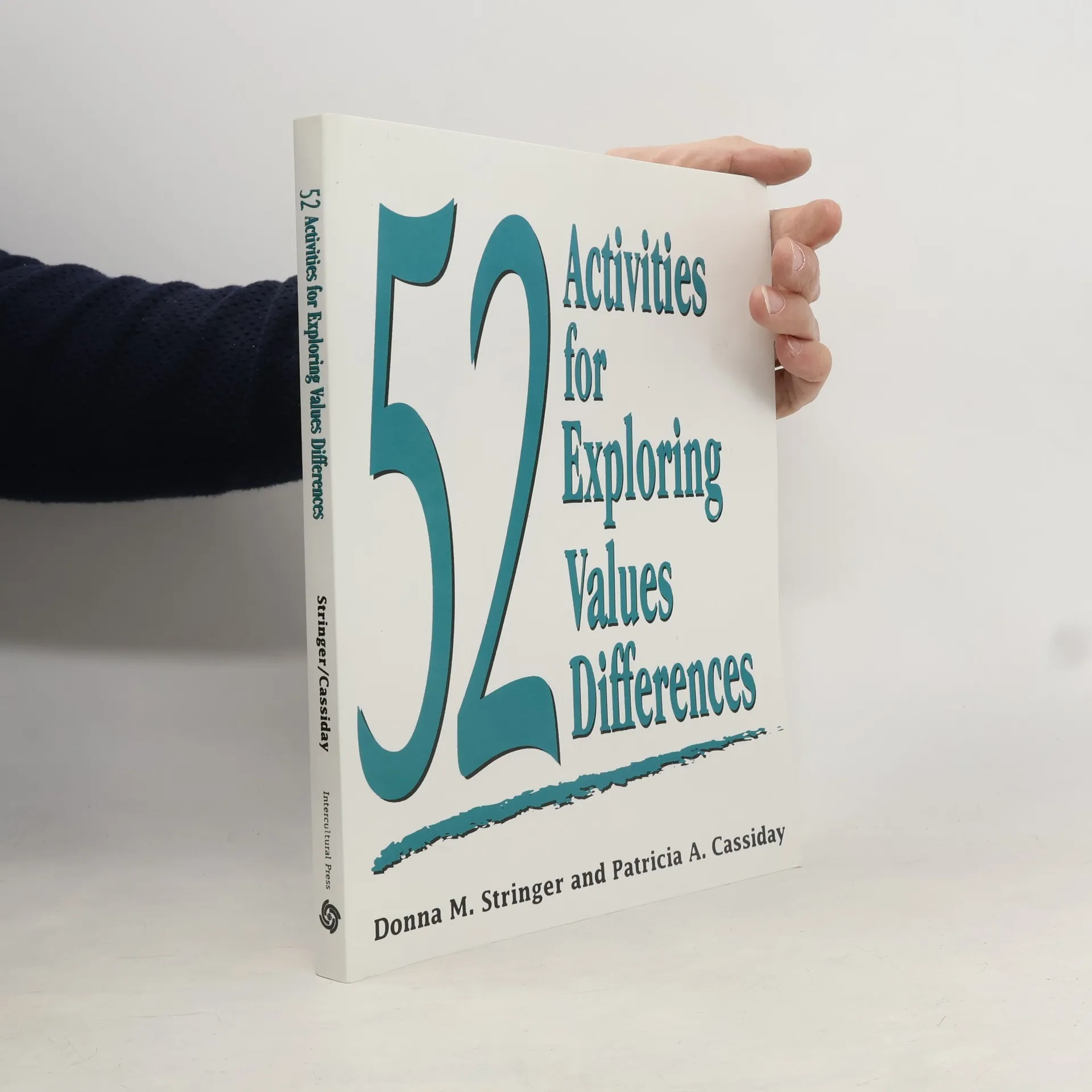
52 Activities for Exploring Values Differences, Donna M. Stringer, Patricia A. Cassiday
- Język

- Rok wydania
- 2003
- Oprawa
- (miękka)
Metody płatności
Brakuje nam tutaj Twojej recenzji.
- Tytuł
- 52 Activities for Exploring Values Differences
- Język
- angielski
- Wydawca
- Intercultural Press
- Rok wydania
- 2003
- Oprawa
- miękka
- ISBN10
- 187786496x
- ISBN13
- 9781877864964
- Seria
- Ocena
- 3,75 z 5
- Opis
- Stimulate lively discussions with activities for a variety of situationsIn 52 Activities for Exploring Values Differences , Donna Stringer and Patricia Cassiday have written and adapted sound, ready-to-use activities for settings where the exploration of values differences is the workplace, the classroom, corporate diversity training, international team development workshops, conflict management and others.The activities cover a broad spectrum for the varied needs of trainers and those who like hands-on, practical but low-risk activities; those who prefer experimental activities; and those who learn best if they can reflect on ideas. The authors' "Classification of Activities" at the front of the book helps users choose activities that are appropriate for their needs according to risk level, time required, context (work, personal or general) and group (individual, team, organization, domestic diversity or multinational). The directions for the activities are easy to follow, and the worksheets and handouts can be photocopied for use.