




Więcej o książce
The collection features a range of essays exploring the intersection of literature and economic crises. M. Agethen discusses literary representations of the 1873 economic crisis, while M. Bauer reflects on the impact of economic downturns in the works of Goethe, Tieck, and Thomas Mann. H.-C. Binswanger questions whether crises lead to progress or destruction. S. Boutin analyzes the discontent within the American Dream through "Breaking Bad" and its portrayal of the declining white middle class. Other contributors examine themes such as the role of the homo oeconomicus in contemporary literature, the reality effect of crises as seen through Marx and Zola, and the literary implications of the discovery of paper money. Several essays focus on specific literary works and their economic contexts, including Berthold Auerbach's "Schwarzwälder Dorfgeschichten," Elfriede Jelinek's "Die Kontrakte des Kaufmanns," and Reinhold Schneider's historical novella "Das Erdbeben." The collection also addresses modern portrayals of financial crises in film, such as the visual narratives in contemporary cinema and the comedic representations in "South Park." Additionally, it explores identity fiction in "Fight Club" and the reflections of the Greek financial crisis in Petros Markaris' crime novels. Overall, the essays provide a multifaceted examination of how literature engages with economic realities and crises across different eras and genres.
Zakup książki
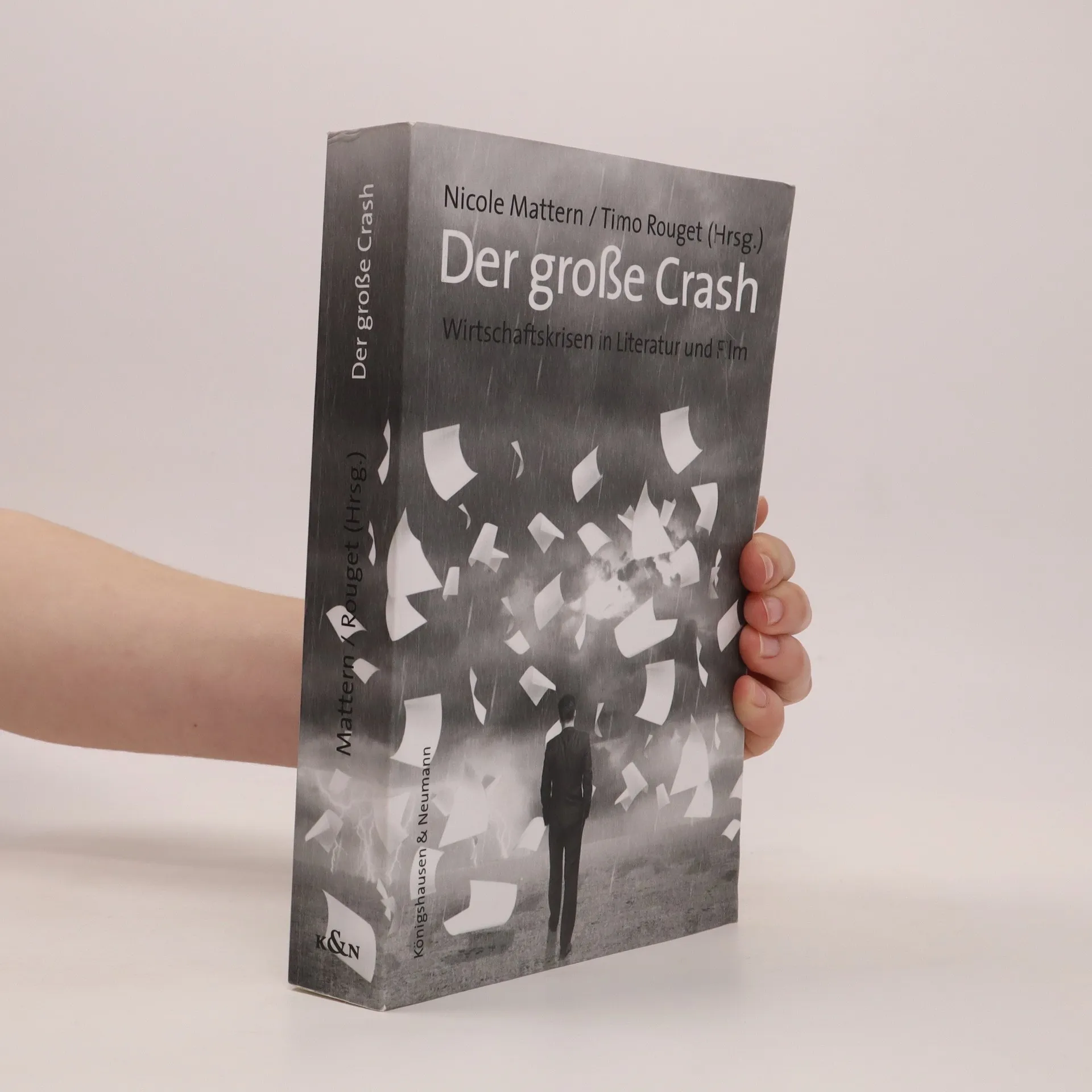
Der grosse Crash. Wirtschaftskrisen in Literatur und FilmMattern, Nicole Mattern, Timo Rouget
- Język

- Rok wydania
- 2016
- Oprawa
- (miękka)
Metody płatności
Nikt jeszcze nie ocenił.
- Tytuł
- Der grosse Crash. Wirtschaftskrisen in Literatur und FilmMattern
- Język
- niemiecki
- Autorzy
- Nicole Mattern, Timo Rouget
- Wydawca
- Königshausen & Neumann
- Rok wydania
- 2016
- Oprawa
- miękka
- Liczba stron
- 400
- ISBN10
- 3826057724
- ISBN13
- 9783826057724
- Seria
- Kategorie
- Opis
- The collection features a range of essays exploring the intersection of literature and economic crises. M. Agethen discusses literary representations of the 1873 economic crisis, while M. Bauer reflects on the impact of economic downturns in the works of Goethe, Tieck, and Thomas Mann. H.-C. Binswanger questions whether crises lead to progress or destruction. S. Boutin analyzes the discontent within the American Dream through "Breaking Bad" and its portrayal of the declining white middle class. Other contributors examine themes such as the role of the homo oeconomicus in contemporary literature, the reality effect of crises as seen through Marx and Zola, and the literary implications of the discovery of paper money. Several essays focus on specific literary works and their economic contexts, including Berthold Auerbach's "Schwarzwälder Dorfgeschichten," Elfriede Jelinek's "Die Kontrakte des Kaufmanns," and Reinhold Schneider's historical novella "Das Erdbeben." The collection also addresses modern portrayals of financial crises in film, such as the visual narratives in contemporary cinema and the comedic representations in "South Park." Additionally, it explores identity fiction in "Fight Club" and the reflections of the Greek financial crisis in Petros Markaris' crime novels. Overall, the essays provide a multifaceted examination of how literature engages with economic realities and crises across different eras and genres.