

Więcej o książce
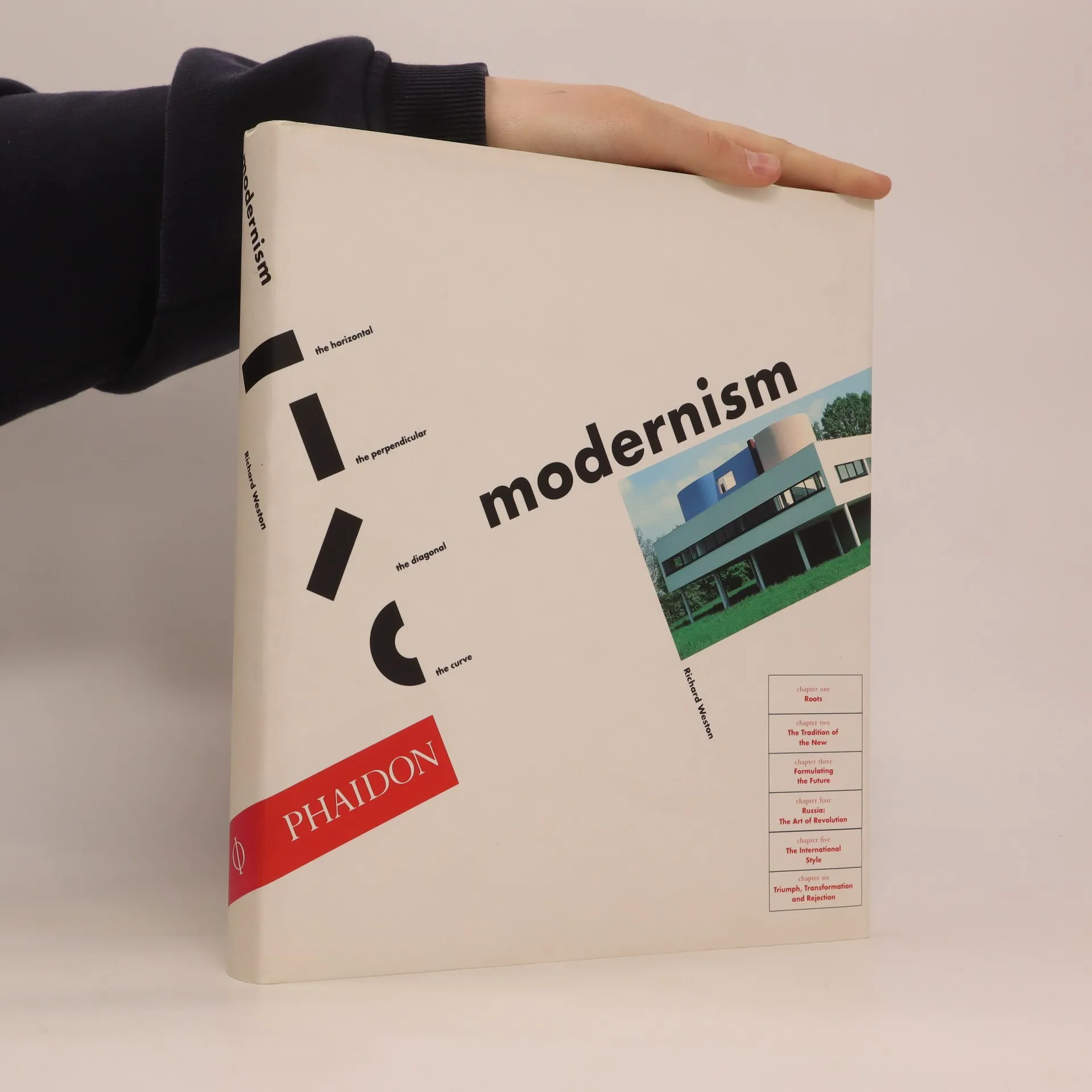
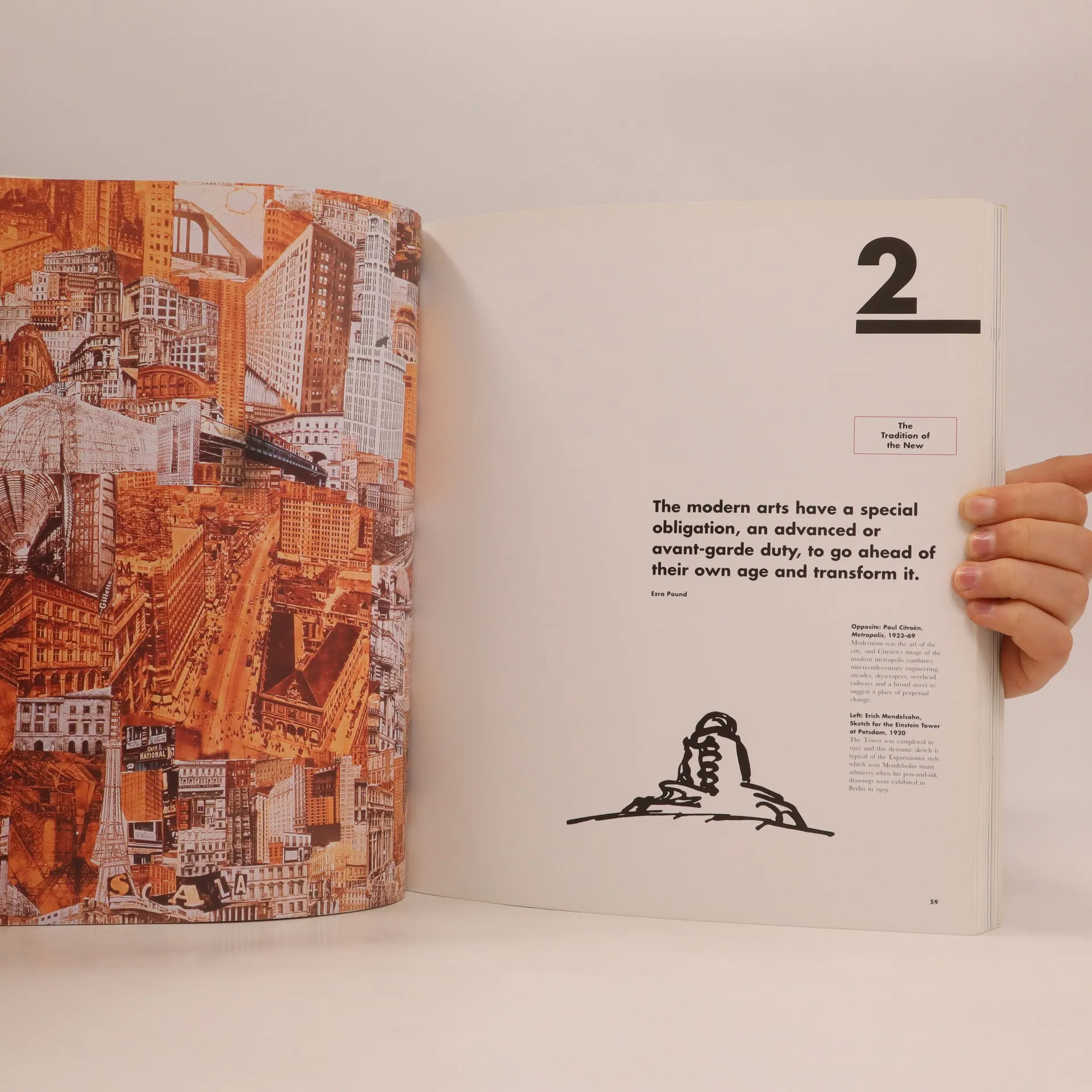
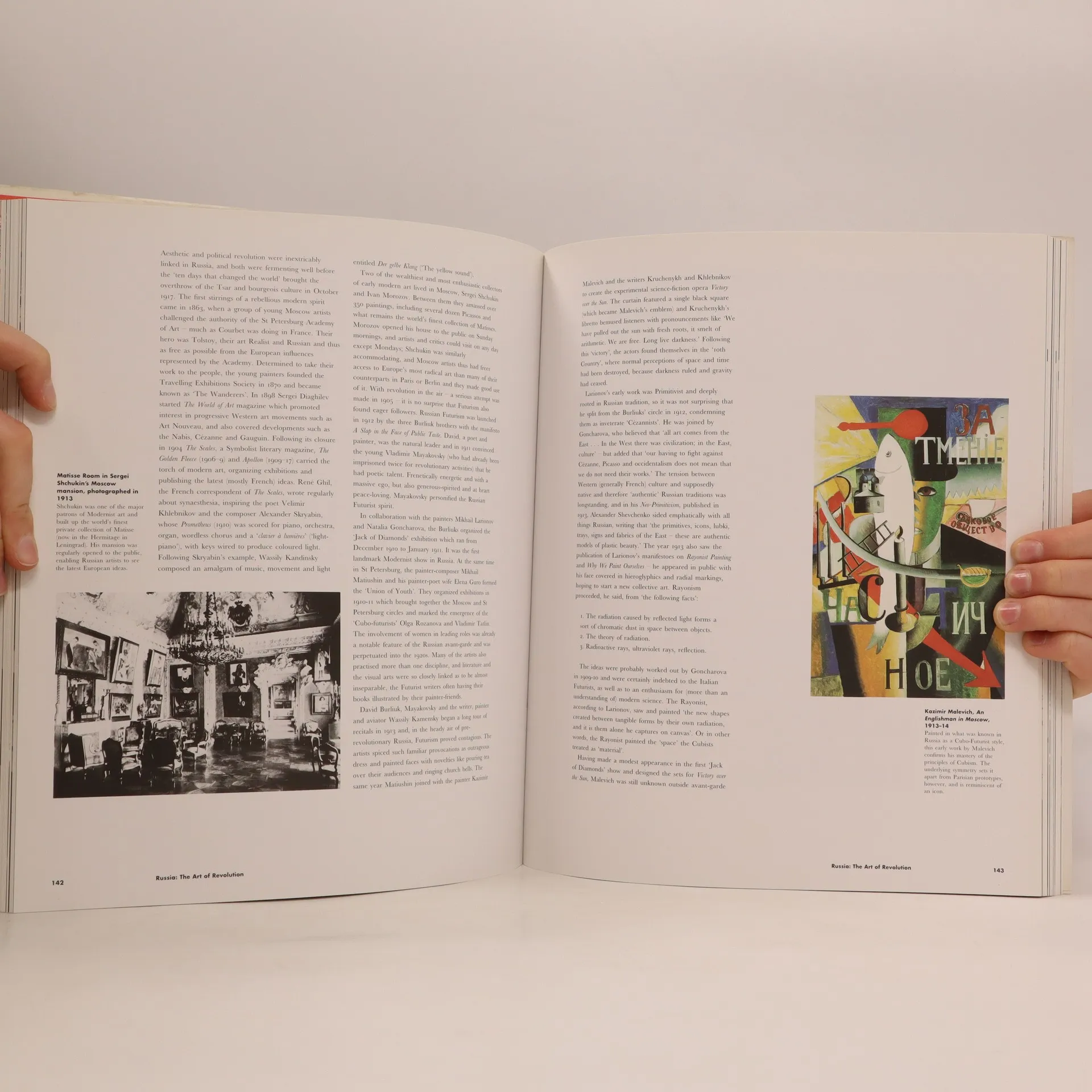
Modernist ideas have pervaded every form of design, from graphics to architecture, as well as being a key influence on art, literature and music. In this comprehensive survey, Richard Weston traces the course of Modernism from its nineteenth-century roots to its various contemporary manifestations. Weston examines rigorously the Modernist movements of the early twentieth century - Cubism, Surrealism, Futurism and Purism - to conclude with the 'Postmodernist' experiments of the 1980s and 90s. He shows how the 'tradition of the new' became the creative credo of a small group of progressive artists and how - with the emigration of leading German Modernists to Britain and the United States in the 1930s - the theory and practice of Modernism became widespread. What had begun as a cluster of loosely related artistic movements scattered across Europe, emerged as the dominant style of the twentieth century. This extensive volume addresses the impact of this movement with vigour and an acute originality of thought.
Zakup książki
Modernism, Richard Weston
- Język

- Rok wydania
- 2001
- Oprawa
- (miękka)
Metody płatności
Brakuje nam tutaj Twojej recenzji.
- Tytuł
- Modernism
- Język
- angielski
- Autorzy
- Richard Weston
- Wydawca
- Phaidon Press Limited
- Rok wydania
- 2001
- Oprawa
- miękka
- Liczba stron
- 240
- ISBN10
- 0714840998
- ISBN13
- 9780714840994
- Seria
- Kategorie
- Tagi
- Sztuka
- Ocena
- 3,3 z 5
- Opis
- Modernist ideas have pervaded every form of design, from graphics to architecture, as well as being a key influence on art, literature and music. In this comprehensive survey, Richard Weston traces the course of Modernism from its nineteenth-century roots to its various contemporary manifestations. Weston examines rigorously the Modernist movements of the early twentieth century - Cubism, Surrealism, Futurism and Purism - to conclude with the 'Postmodernist' experiments of the 1980s and 90s. He shows how the 'tradition of the new' became the creative credo of a small group of progressive artists and how - with the emigration of leading German Modernists to Britain and the United States in the 1930s - the theory and practice of Modernism became widespread. What had begun as a cluster of loosely related artistic movements scattered across Europe, emerged as the dominant style of the twentieth century. This extensive volume addresses the impact of this movement with vigour and an acute originality of thought.