




Więcej o książce
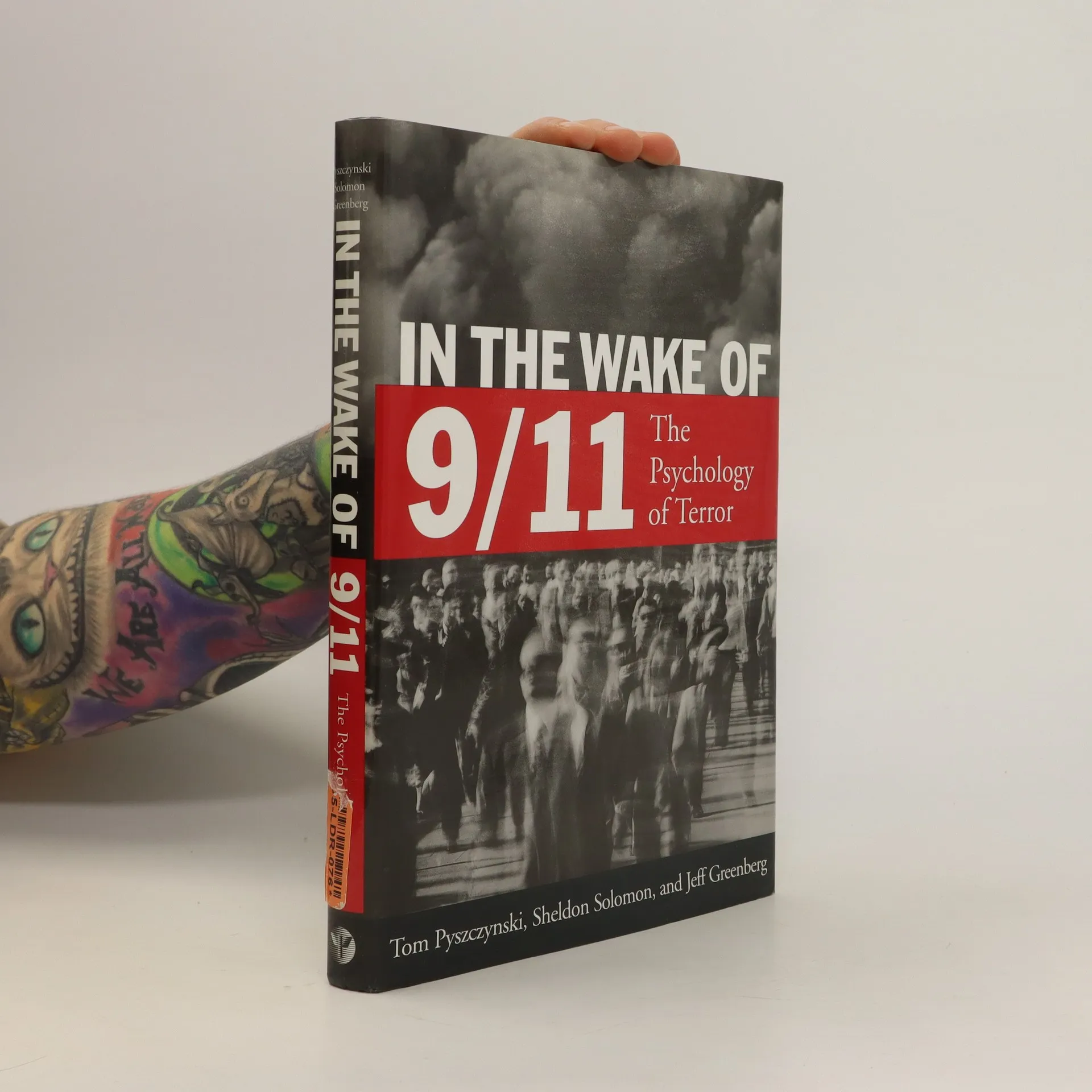
This unique book explores the emotions of despair, fear, and anger that arose after the terrorist attacks on the World Trade Center and the Pentagon in the Autumn of 2001. The authors analyze reactions to the attacks through the lens of terror management theory, a psychological model that explains why humans react the way they do to the threat of death. The theory provides ways to understand and reduce terrorism’s effect and possibly find resolutions to conflicts involving terrorism. The authors focus primarily on the reaction in the United States to the 9/11 attack, but their model is applicable to all instances of terrorism, and they expand their discussion to include the Israeli-Palestinian conflict. This fascinating book has practical implications and will be an irreplaceable resource for mental health practitioners, researchers, and anyone concerned with the causes and effects of terrorism.
Zakup książki
In the wake of 9/11 : the psychology of terror, Thomas A. Pyszczynski, Sheldon Solomon, Jeff Greenberg
- Język

- Rok wydania
- 2003
- Oprawa
- (twarda)
Metody płatności
Brakuje nam tutaj Twojej recenzji.
- Tytuł
- In the wake of 9/11 : the psychology of terror
- Język
- angielski
- Rok wydania
- 2003
- Oprawa
- twarda
- Liczba stron
- 264
- ISBN10
- 1557989540
- ISBN13
- 9781557989543
- Seria
- Kategorie
- Ocena
- 4,3 z 5
- Opis
- This unique book explores the emotions of despair, fear, and anger that arose after the terrorist attacks on the World Trade Center and the Pentagon in the Autumn of 2001. The authors analyze reactions to the attacks through the lens of terror management theory, a psychological model that explains why humans react the way they do to the threat of death. The theory provides ways to understand and reduce terrorism’s effect and possibly find resolutions to conflicts involving terrorism. The authors focus primarily on the reaction in the United States to the 9/11 attack, but their model is applicable to all instances of terrorism, and they expand their discussion to include the Israeli-Palestinian conflict. This fascinating book has practical implications and will be an irreplaceable resource for mental health practitioners, researchers, and anyone concerned with the causes and effects of terrorism.