

Więcej o książce
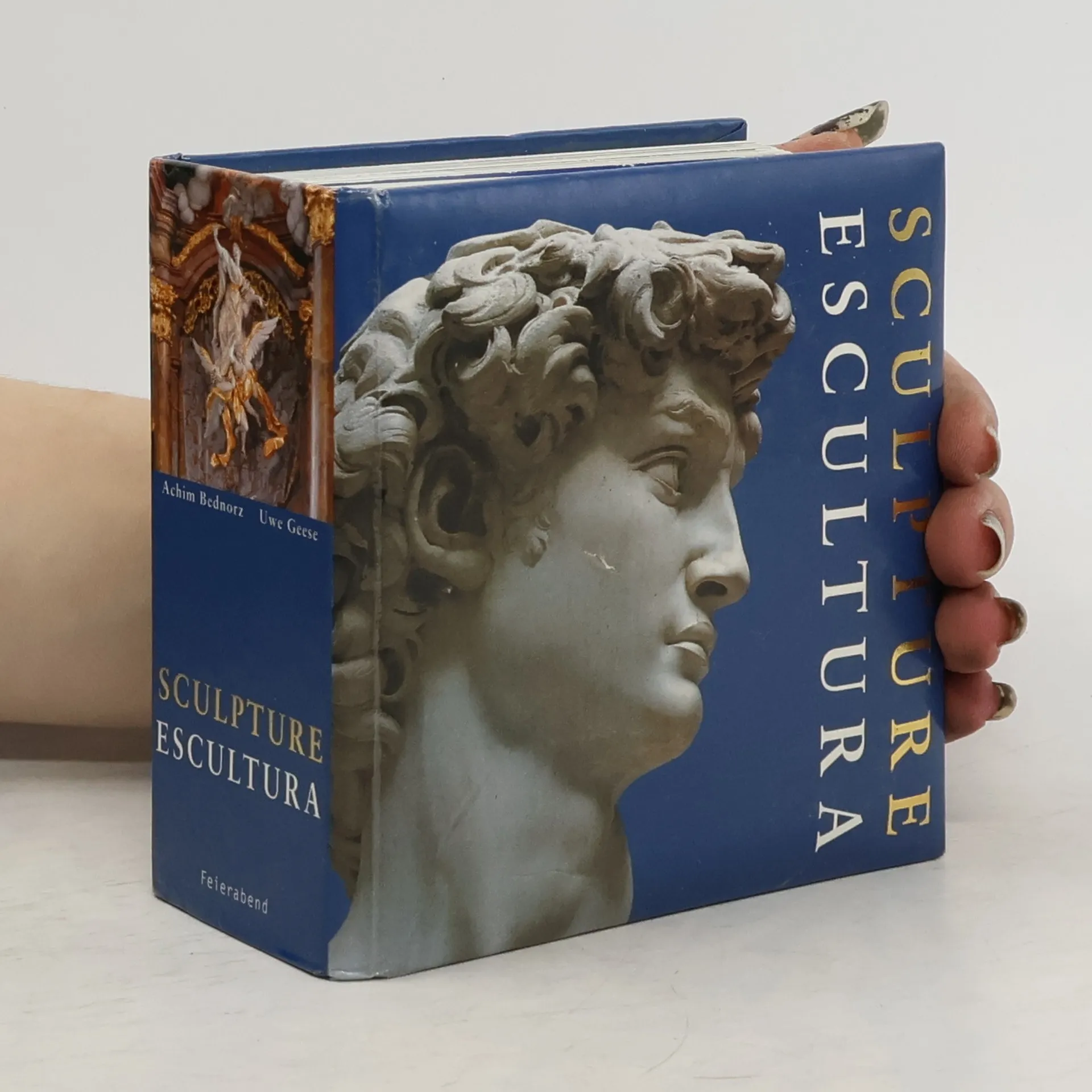
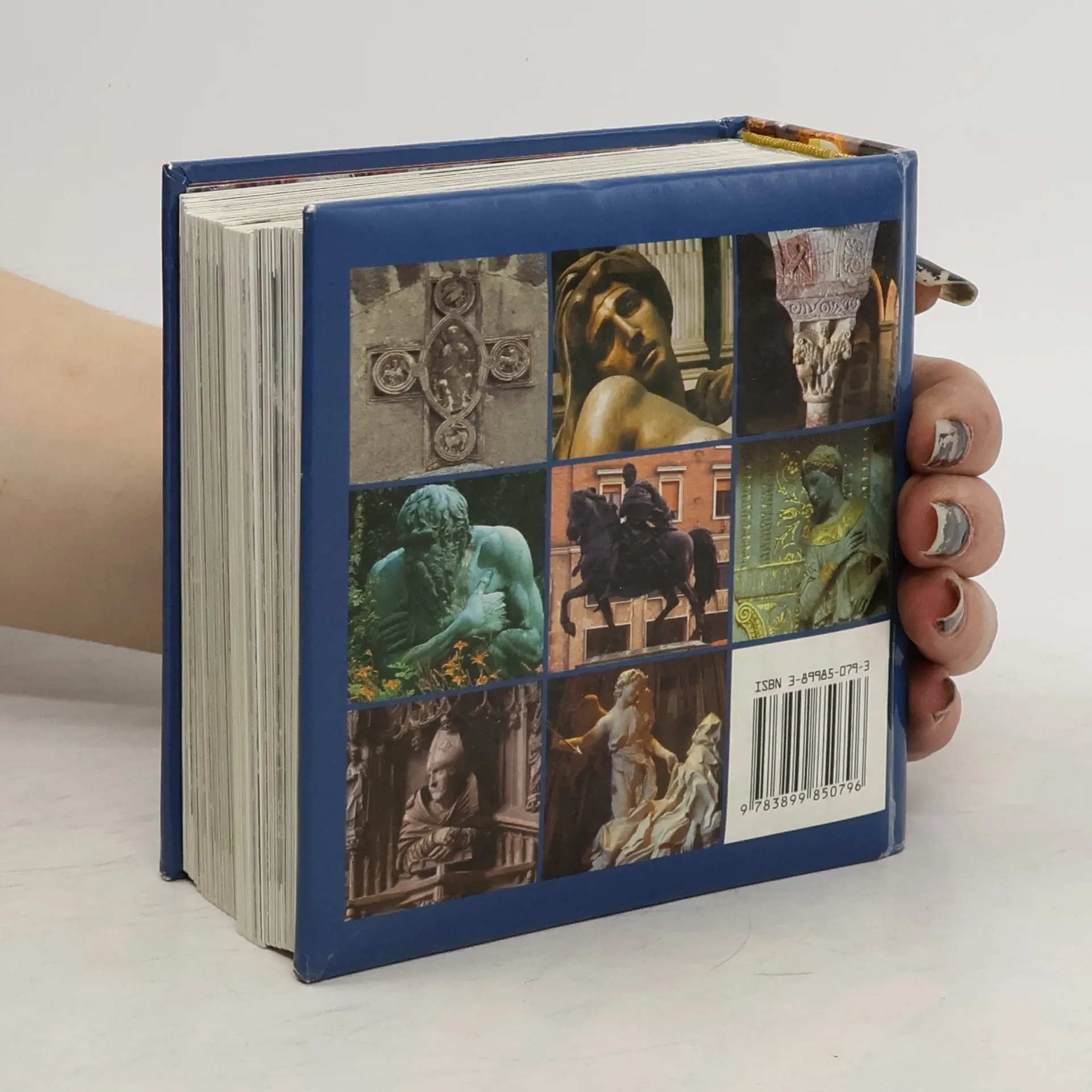
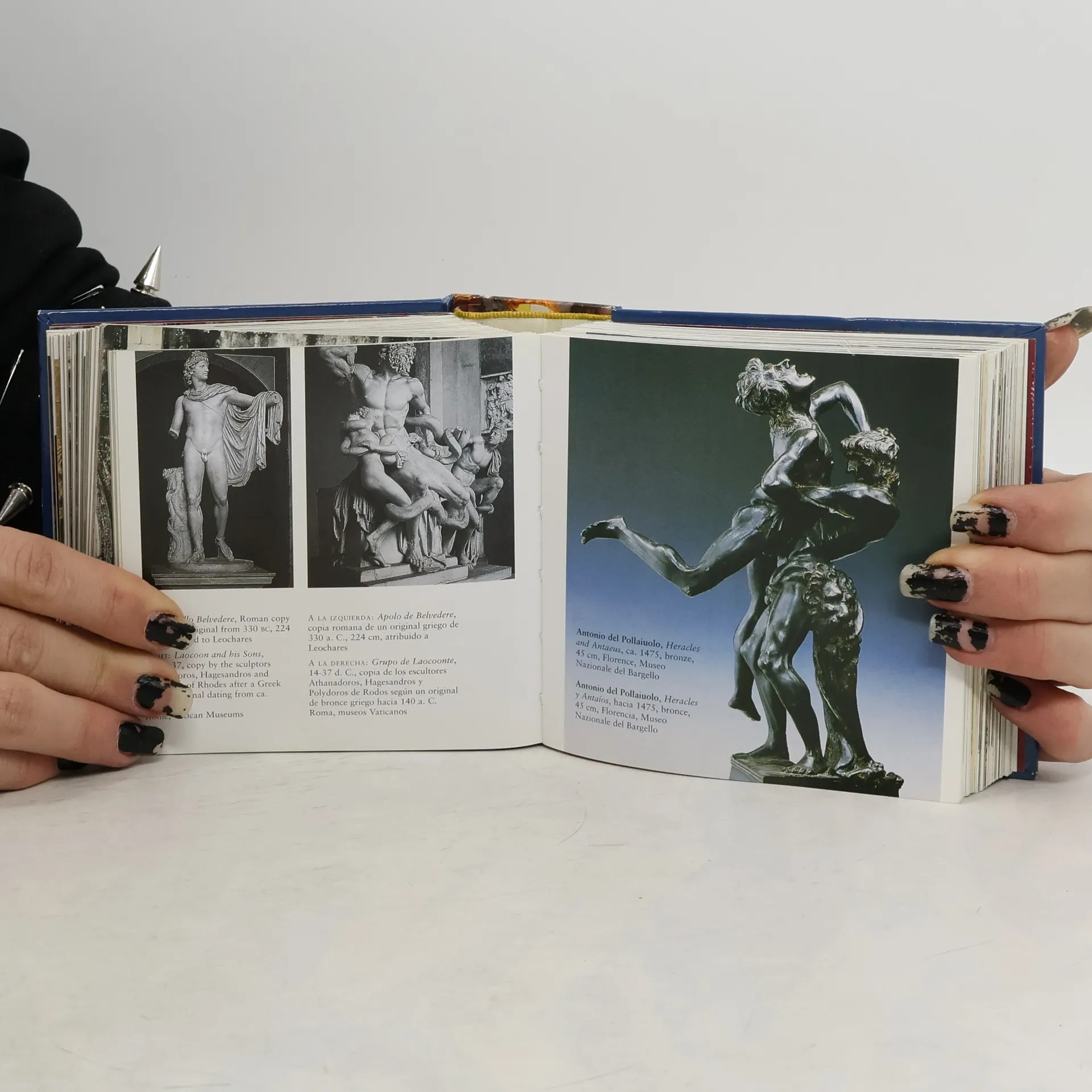
From antiquity to the present, sculpture has enjoyed a special position among the arts and continues to be one of the most interesting art genres. For the viewer, it has always been precisely the representation of multiple views - making it possible to view the work from all sides - that fascinates. The incorporation of three-dimensionality led to impressive masterpieces, particularly during the Baroque period. While Romanesque sculpture was most often seen in the context of reliefs on structural elements of sacred buildings, representation of the human figure became the primary motif in the Renaissance. Sculpture was no longer created solely for the sacred context and for grave monuments; instead images of contemporaries became a central focus, as several famous riding monuments testify. The possibilities of sculptural expression reached their apex during the Baroque. Group statues such as Gianlorenzo Bernini’s Rape of Proserpina, with its complex turning and richly contrasting play of light and shadow, are impressive examples. This brick-format book explores the far-reaching developments in sculpture from the Romanesque to the Baroque. Exquisite color photographs present the works first as a whole, then complemented by detail shots. An informative pleasure, both for sculpture aficionados and interested lay readers.
Zakup książki
Sculpture/Escultura, kolektiv
- Język


- Rok wydania
- 2004
- Oprawa
- (twarda)
Metody płatności
Brakuje nam tutaj Twojej recenzji.
- Tytuł
- Sculpture/Escultura
- Język
- angielski, włoski
- Autorzy
- kolektiv
- Rok wydania
- 2004
- Oprawa
- twarda
- Liczba stron
- 668
- ISBN10
- 3899850793
- ISBN13
- 9783899850796
- Seria
- Kategorie
- Tagi
- Sztuka
- Ocena
- 4,6 z 5
- Opis
- From antiquity to the present, sculpture has enjoyed a special position among the arts and continues to be one of the most interesting art genres. For the viewer, it has always been precisely the representation of multiple views - making it possible to view the work from all sides - that fascinates. The incorporation of three-dimensionality led to impressive masterpieces, particularly during the Baroque period. While Romanesque sculpture was most often seen in the context of reliefs on structural elements of sacred buildings, representation of the human figure became the primary motif in the Renaissance. Sculpture was no longer created solely for the sacred context and for grave monuments; instead images of contemporaries became a central focus, as several famous riding monuments testify. The possibilities of sculptural expression reached their apex during the Baroque. Group statues such as Gianlorenzo Bernini’s Rape of Proserpina, with its complex turning and richly contrasting play of light and shadow, are impressive examples. This brick-format book explores the far-reaching developments in sculpture from the Romanesque to the Baroque. Exquisite color photographs present the works first as a whole, then complemented by detail shots. An informative pleasure, both for sculpture aficionados and interested lay readers.