


Parametry
- 162 strony
- 6 godzin czytania
Więcej o książce
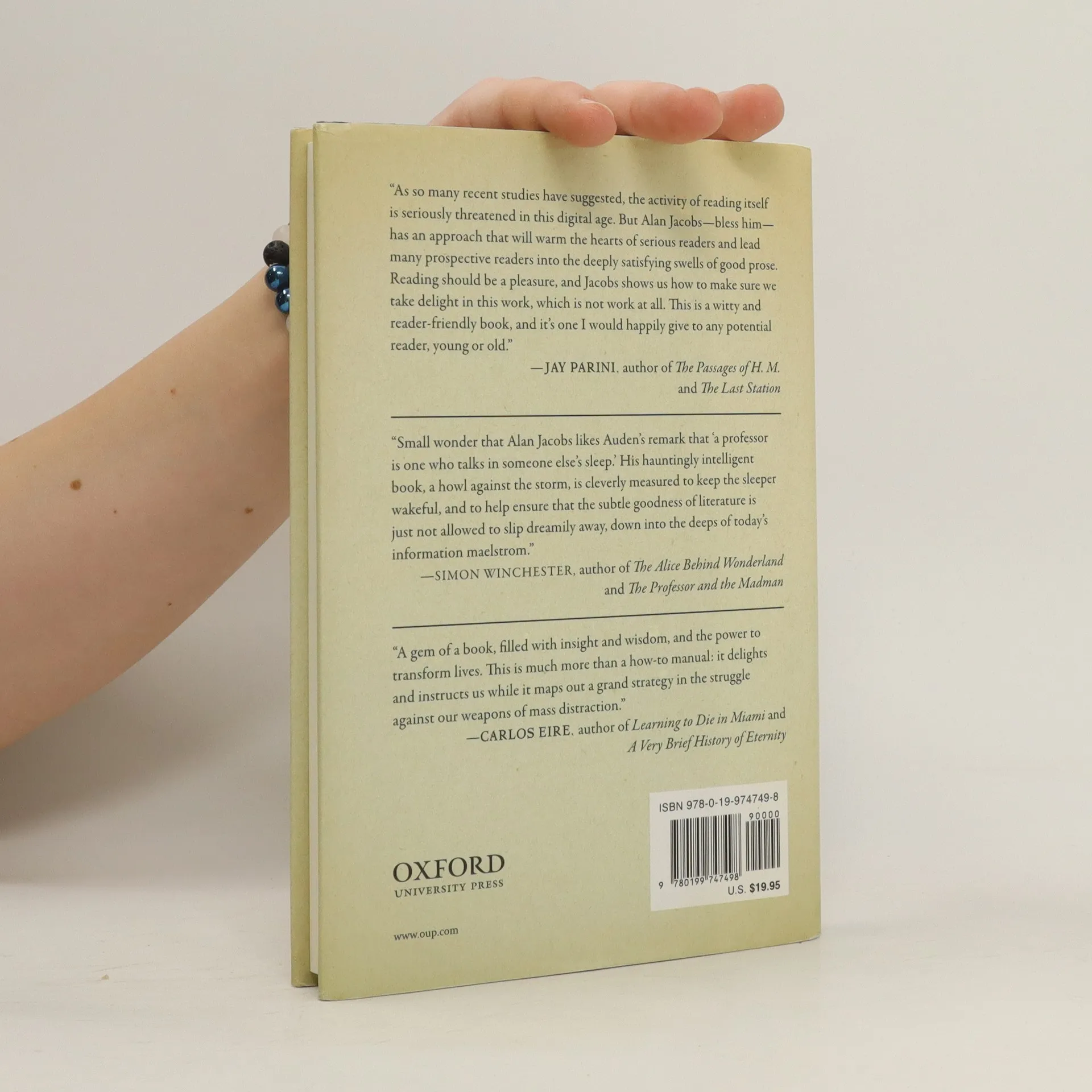
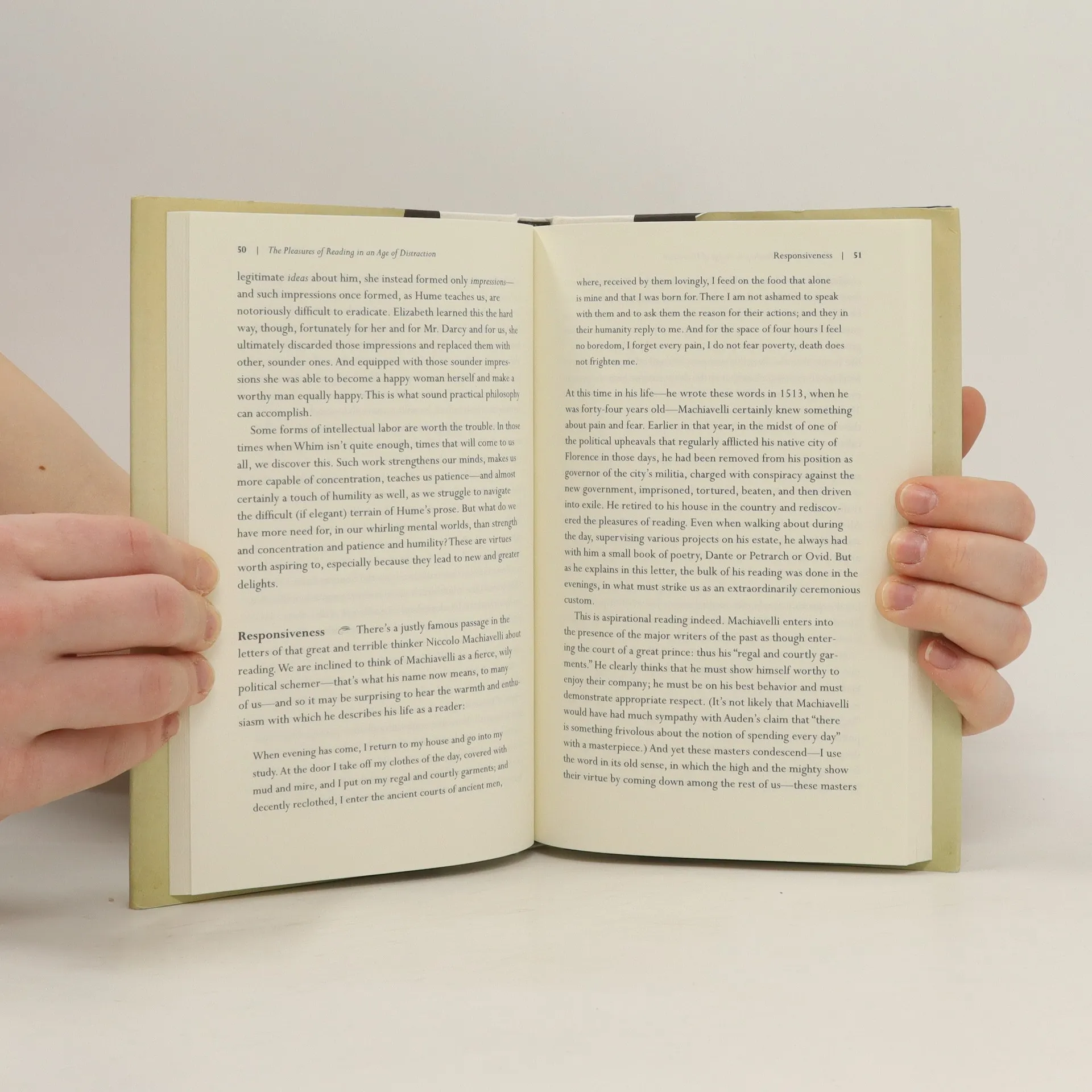
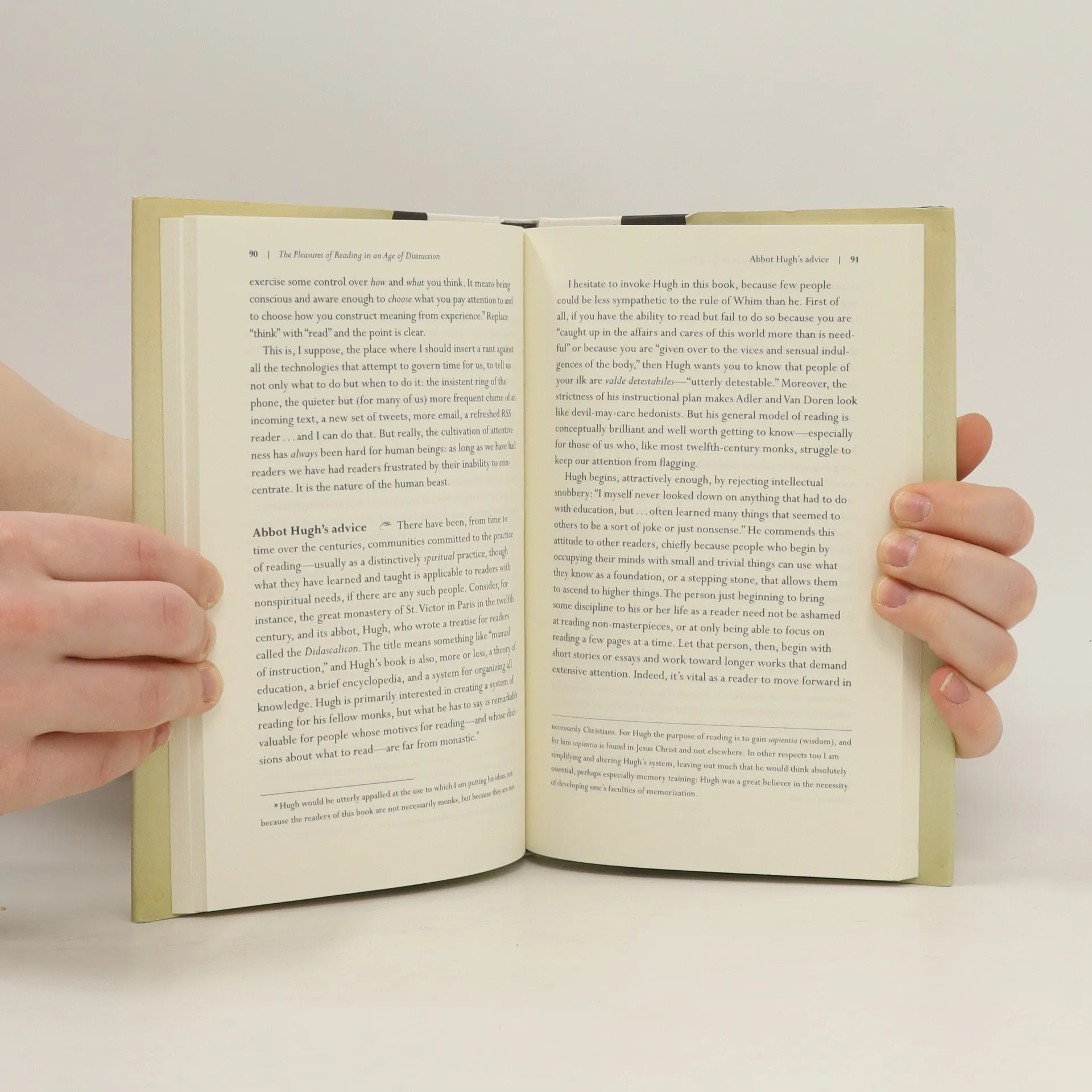
Cultural commentators have raised concerns about the state of reading in America, claiming that people are not reading enough or engaging with the right material. However, Alan Jacobs counters this narrative by asserting that reading is thriving, with millions of dedicated readers supporting numerous bookstores and online retailers. Influential platforms like Oprah's Book Club and a recent NEA survey indicate a resurgence in literary fiction readership. Despite this, many readers struggle with confidence, questioning their ability to read effectively and absorb content. They often feel pressured by the belief that reading is primarily a moral obligation, akin to eating vegetables. Jacobs offers a refreshing perspective, encouraging readers to pursue what brings them joy without guilt, whether it’s popular fiction or classic literature. Unlike Mortimer Adler's structured approach in "How to Read a Book," Jacobs presents a more engaging and irreverent guide for readers. Each chapter delves into different aspects of engaging with literary fiction, poetry, and nonfiction, covering topics like the history of silent reading and the nuances of rereading. With a blend of wit and insight, this work appeals to both novice readers seeking guidance and seasoned ones wishing to rediscover the joy of reading.
Zakup książki
The Pleasures of Reading in an Age of Distraction, Alan Jacobs
- Język

- Rok wydania
- 2011
- Oprawa
- (twarda)
Metody płatności
Brakuje nam tutaj Twojej recenzji.
- Tytuł
- The Pleasures of Reading in an Age of Distraction
- Język
- angielski
- Autorzy
- Alan Jacobs
- Wydawca
- Oxford University Press
- Rok wydania
- 2011
- Oprawa
- twarda
- Liczba stron
- 162
- ISBN10
- 0199747490
- ISBN13
- 9780199747498
- Seria
- Kategorie
- Ocena
- 3,95 z 5
- Opis
- Cultural commentators have raised concerns about the state of reading in America, claiming that people are not reading enough or engaging with the right material. However, Alan Jacobs counters this narrative by asserting that reading is thriving, with millions of dedicated readers supporting numerous bookstores and online retailers. Influential platforms like Oprah's Book Club and a recent NEA survey indicate a resurgence in literary fiction readership. Despite this, many readers struggle with confidence, questioning their ability to read effectively and absorb content. They often feel pressured by the belief that reading is primarily a moral obligation, akin to eating vegetables. Jacobs offers a refreshing perspective, encouraging readers to pursue what brings them joy without guilt, whether it’s popular fiction or classic literature. Unlike Mortimer Adler's structured approach in "How to Read a Book," Jacobs presents a more engaging and irreverent guide for readers. Each chapter delves into different aspects of engaging with literary fiction, poetry, and nonfiction, covering topics like the history of silent reading and the nuances of rereading. With a blend of wit and insight, this work appeals to both novice readers seeking guidance and seasoned ones wishing to rediscover the joy of reading.