


Więcej o książce
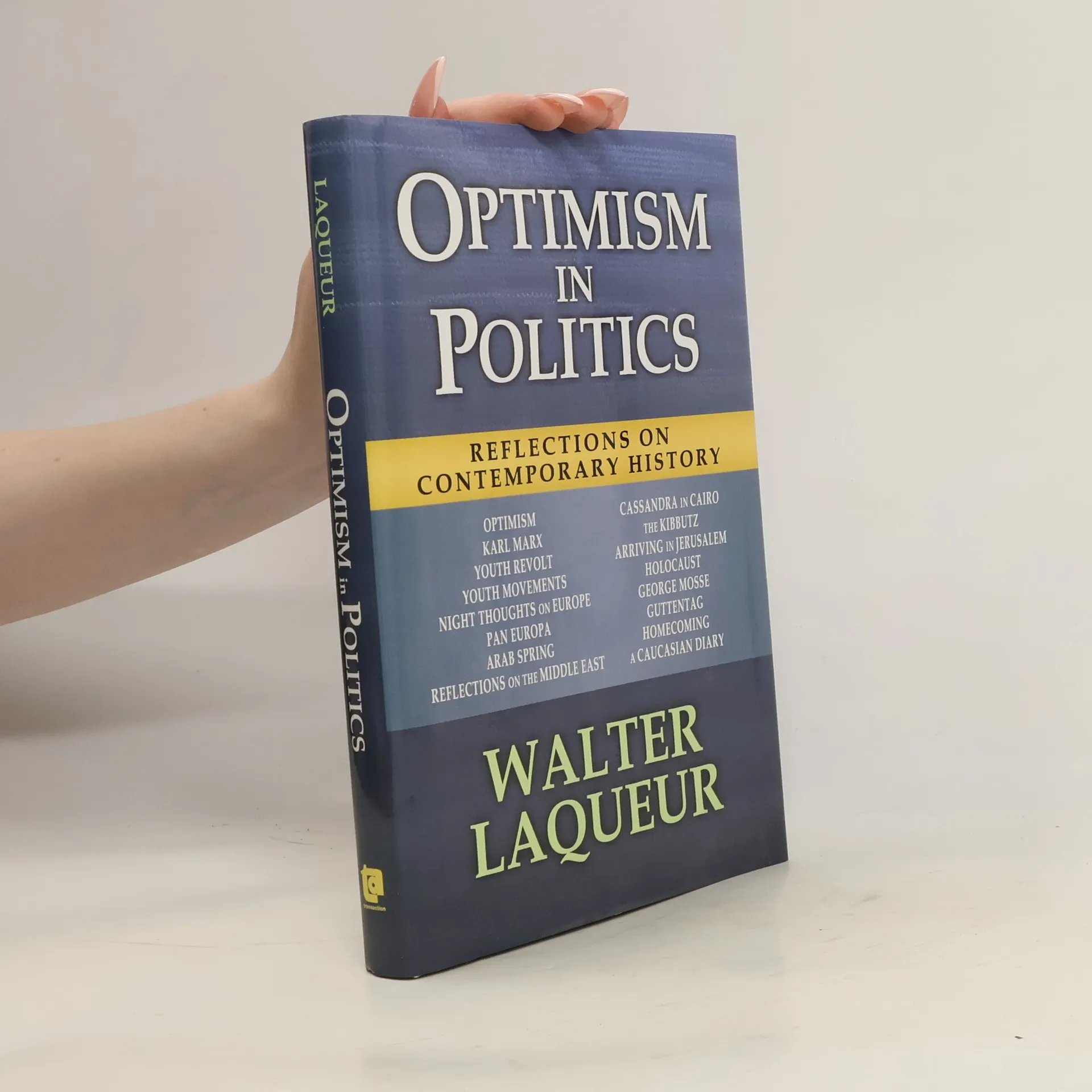
This new collection by Walter Laqueur, a distinguished historian and political commentator, presents his insights on fifty years of political life through a series of essays. Covering events from over seventy years ago to potential future occurrences, Laqueur organizes his writings into five main themes: optimism in politics, Europe, the Arab Spring, Israel and Jewish affairs, and reflections on the past. He explores the crucial question of how much optimism is necessary in politics, noting that some neuroscientists argue our assessments may be overly optimistic, while others warn against the influence of negative conclusions. Laqueur contends that these psychological factors significantly impact our understanding of political trends. He also emphasizes the complex relationship between historical writing and current affairs, challenging the notion that historians are inherently better at interpreting the present or predicting the future. While some historians excel as political commentators, others do not, and Laqueur's reflections affirm his position among the successful ones. This volume serves as a testament to his insightful analysis and the importance of optimism in navigating political landscapes.
Zakup książki
Optimism in Politics, Walter Laqueur
- Język

- Rok wydania
- 2014
- Oprawa
- (twarda)
Metody płatności
Brakuje nam tutaj Twojej recenzji.
- Tytuł
- Optimism in Politics
- Podtytuł
- Reflections on Contemporary History
- Język
- angielski
- Autorzy
- Walter Laqueur
- Wydawca
- Routledge
- Rok wydania
- 2014
- Oprawa
- twarda
- Liczba stron
- 274
- ISBN10
- 1412852668
- ISBN13
- 9781412852661
- Seria
- Tagi
- Ocena
- 5 z 5
- Opis
- This new collection by Walter Laqueur, a distinguished historian and political commentator, presents his insights on fifty years of political life through a series of essays. Covering events from over seventy years ago to potential future occurrences, Laqueur organizes his writings into five main themes: optimism in politics, Europe, the Arab Spring, Israel and Jewish affairs, and reflections on the past. He explores the crucial question of how much optimism is necessary in politics, noting that some neuroscientists argue our assessments may be overly optimistic, while others warn against the influence of negative conclusions. Laqueur contends that these psychological factors significantly impact our understanding of political trends. He also emphasizes the complex relationship between historical writing and current affairs, challenging the notion that historians are inherently better at interpreting the present or predicting the future. While some historians excel as political commentators, others do not, and Laqueur's reflections affirm his position among the successful ones. This volume serves as a testament to his insightful analysis and the importance of optimism in navigating political landscapes.