

Parametry
- 368 stron
- 13 godzin czytania
Więcej o książce
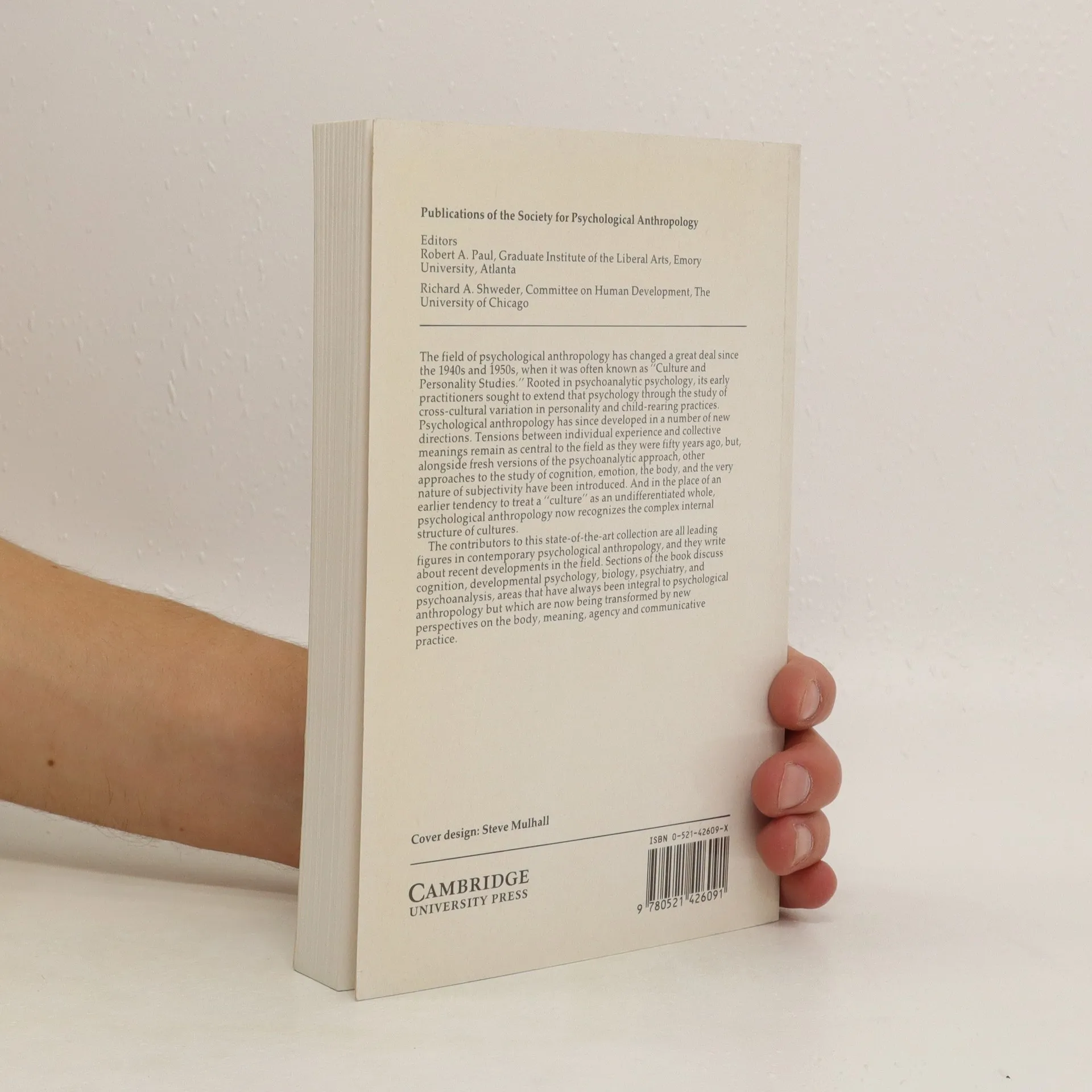
The field of psychological anthropology has changed a great deal since the 1940s and 1950s, when it was often known as 'Culture and Personality Studies'. Rooted in psychoanalytic psychology, its early practitioners sought to extend that psychology through the study of cross-cultural variation in personality and child-rearing practices. Psychological anthropology has since developed in a number of new directions. Tensions between individual experience and collective meanings remain as central to the field as they were fifty years ago, but, alongside fresh versions of the psychoanalytic approach, other approaches to the study of cognition, emotion, the body, and the very nature of subjectivity have been introduced. And in the place of an earlier tendency to treat a 'culture' as an undifferentiated whole, psychological anthropology now recognizes the complex internal structure of cultures. The contributors to this state-of-the-art collection are all leading figures in contemporary psychological anthropology, and they write abour recent developments in the field. Sections of the book discuss cognition, developmental psychology, biology, psychiatry, and psychoanalysis, areas that have always been integral to psychological anthropology but which are now being transformed by new perspectives on the body, meaning, agency and communicative practice.
Zakup książki
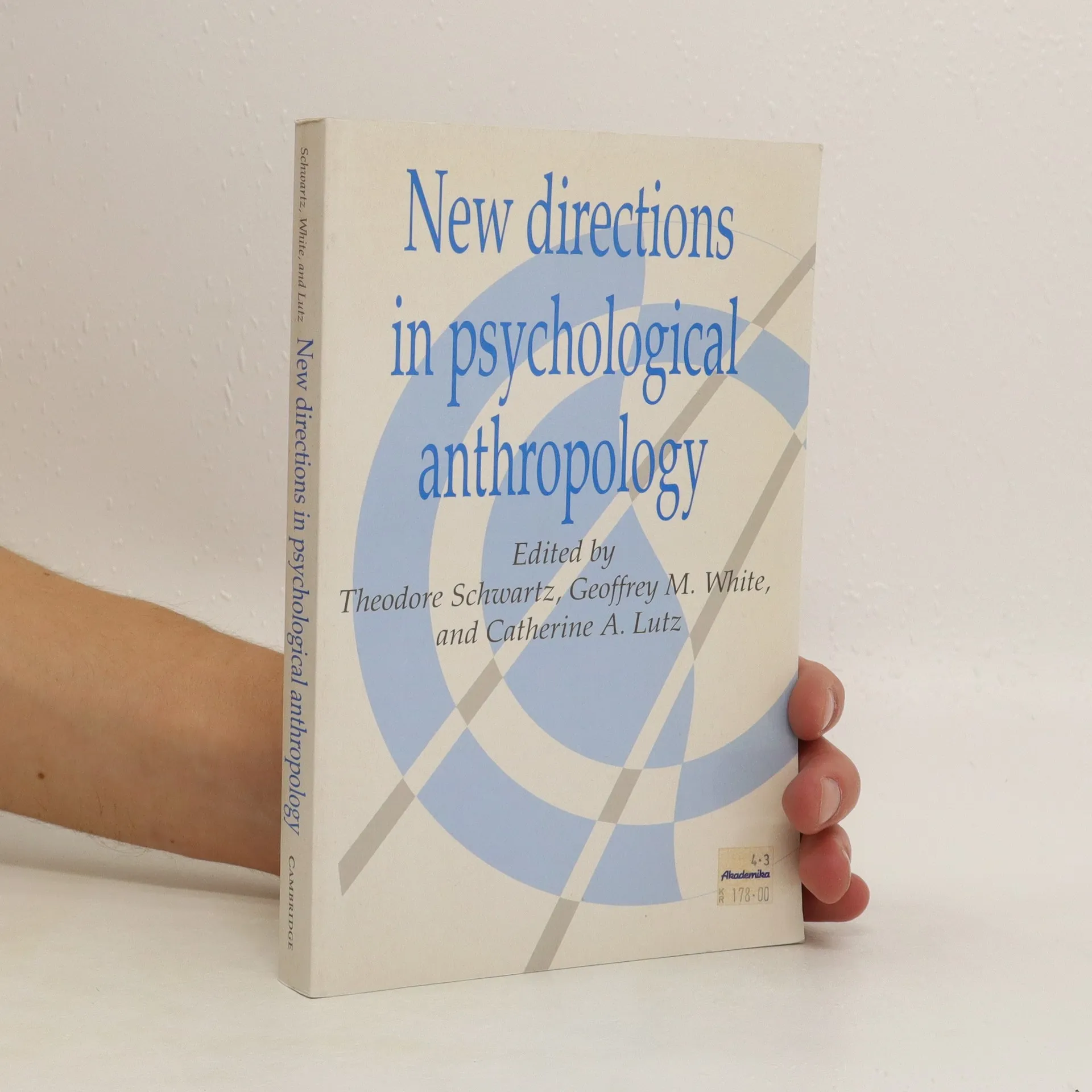
New directions in psychological anthropology, Theodore Schwartz, Geoffrey M. White, Catherine A. Lutz
- Język

- Rok wydania
- 1992
- Oprawa
- (miękka)
Metody płatności
Brakuje nam tutaj Twojej recenzji.
- Tytuł
- New directions in psychological anthropology
- Język
- angielski
- Wydawca
- Cambridge University Press
- Rok wydania
- 1992
- Oprawa
- miękka
- Liczba stron
- 368
- ISBN10
- 052142609x
- ISBN13
- 9780521426091
- Tagi
- Ocena
- 3,35 z 5
- Opis
- The field of psychological anthropology has changed a great deal since the 1940s and 1950s, when it was often known as 'Culture and Personality Studies'. Rooted in psychoanalytic psychology, its early practitioners sought to extend that psychology through the study of cross-cultural variation in personality and child-rearing practices. Psychological anthropology has since developed in a number of new directions. Tensions between individual experience and collective meanings remain as central to the field as they were fifty years ago, but, alongside fresh versions of the psychoanalytic approach, other approaches to the study of cognition, emotion, the body, and the very nature of subjectivity have been introduced. And in the place of an earlier tendency to treat a 'culture' as an undifferentiated whole, psychological anthropology now recognizes the complex internal structure of cultures. The contributors to this state-of-the-art collection are all leading figures in contemporary psychological anthropology, and they write abour recent developments in the field. Sections of the book discuss cognition, developmental psychology, biology, psychiatry, and psychoanalysis, areas that have always been integral to psychological anthropology but which are now being transformed by new perspectives on the body, meaning, agency and communicative practice.