

Więcej o książce
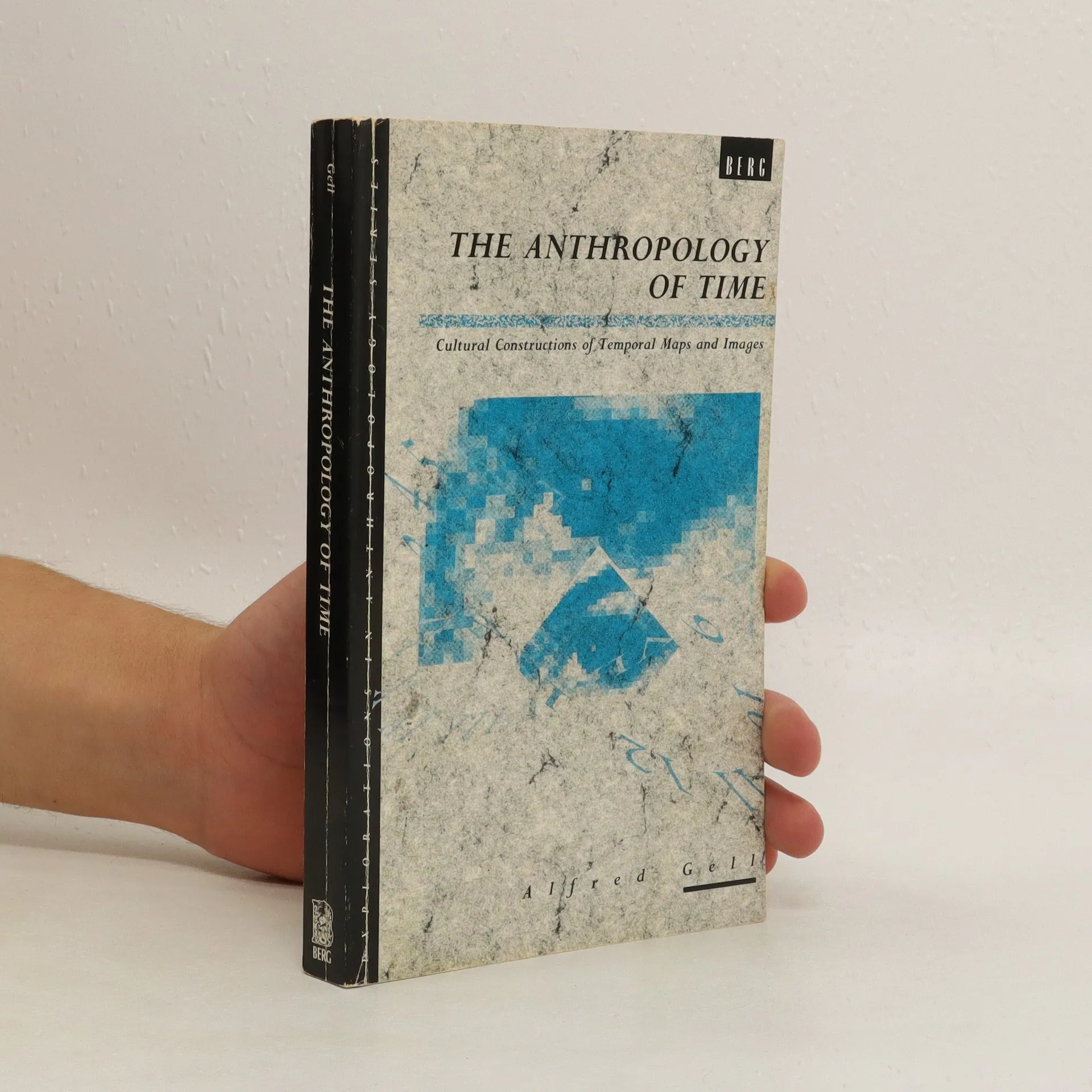
Time - relentless, ever-present but intangible and the single element over which human beings have no absolute control - has long proved a puzzle. The author examines the phenomenon of time and asks such fascinating questions as how time impinges on people, to what extent our awareness of time is culturally conditioned, how societies deal with temporal problems and whether time can be considered a `resource' to be economized. More specifically, he provides a consistent and detailed analysis of theories put forward by a number of thinkers such as Durkheim, Evans-Pritchard, Lévi-Strauss, Geertz, Piaget, Husserl and Bourdieu. His discussion encompasses four main approaches in time research, namely developmental psychology, symbolic anthropology (covering the bulk of post-Durkheimian social anthropology) `economic' theories of time in social geography and, finally, phenomenological theories. The author concludes by presenting his own model of social/cognitive time, in the light of these critical discussions of the literature.
Zakup książki
The anthropology of time: cultural constructions of temporal maps and images, Alfred Gell
- Język

- Rok wydania
- 1992
- Oprawa
- (miękka)
Metody płatności
Brakuje nam tutaj Twojej recenzji.
- Tytuł
- The anthropology of time: cultural constructions of temporal maps and images
- Język
- angielski
- Autorzy
- Alfred Gell
- Wydawca
- Berg
- Rok wydania
- 1992
- Oprawa
- miękka
- Liczba stron
- 341
- ISBN10
- 0854968903
- ISBN13
- 9780854968909
- Seria
- Kolekcja
- Explorations in anthropology
- Kategorie
- Tagi
- Ocena
- 3,6 z 5
- Opis
- Time - relentless, ever-present but intangible and the single element over which human beings have no absolute control - has long proved a puzzle. The author examines the phenomenon of time and asks such fascinating questions as how time impinges on people, to what extent our awareness of time is culturally conditioned, how societies deal with temporal problems and whether time can be considered a `resource' to be economized. More specifically, he provides a consistent and detailed analysis of theories put forward by a number of thinkers such as Durkheim, Evans-Pritchard, Lévi-Strauss, Geertz, Piaget, Husserl and Bourdieu. His discussion encompasses four main approaches in time research, namely developmental psychology, symbolic anthropology (covering the bulk of post-Durkheimian social anthropology) `economic' theories of time in social geography and, finally, phenomenological theories. The author concludes by presenting his own model of social/cognitive time, in the light of these critical discussions of the literature.