


Więcej o książce
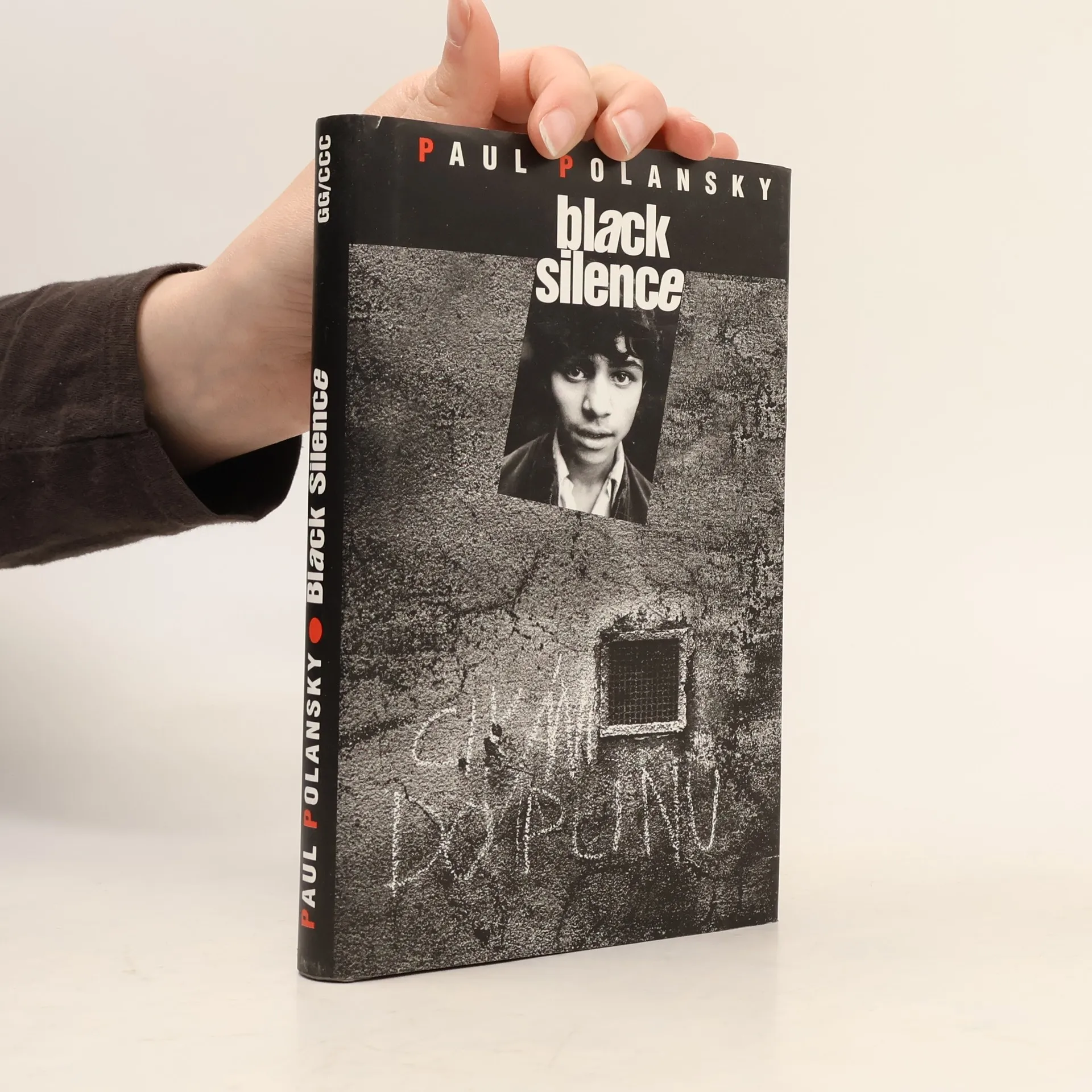
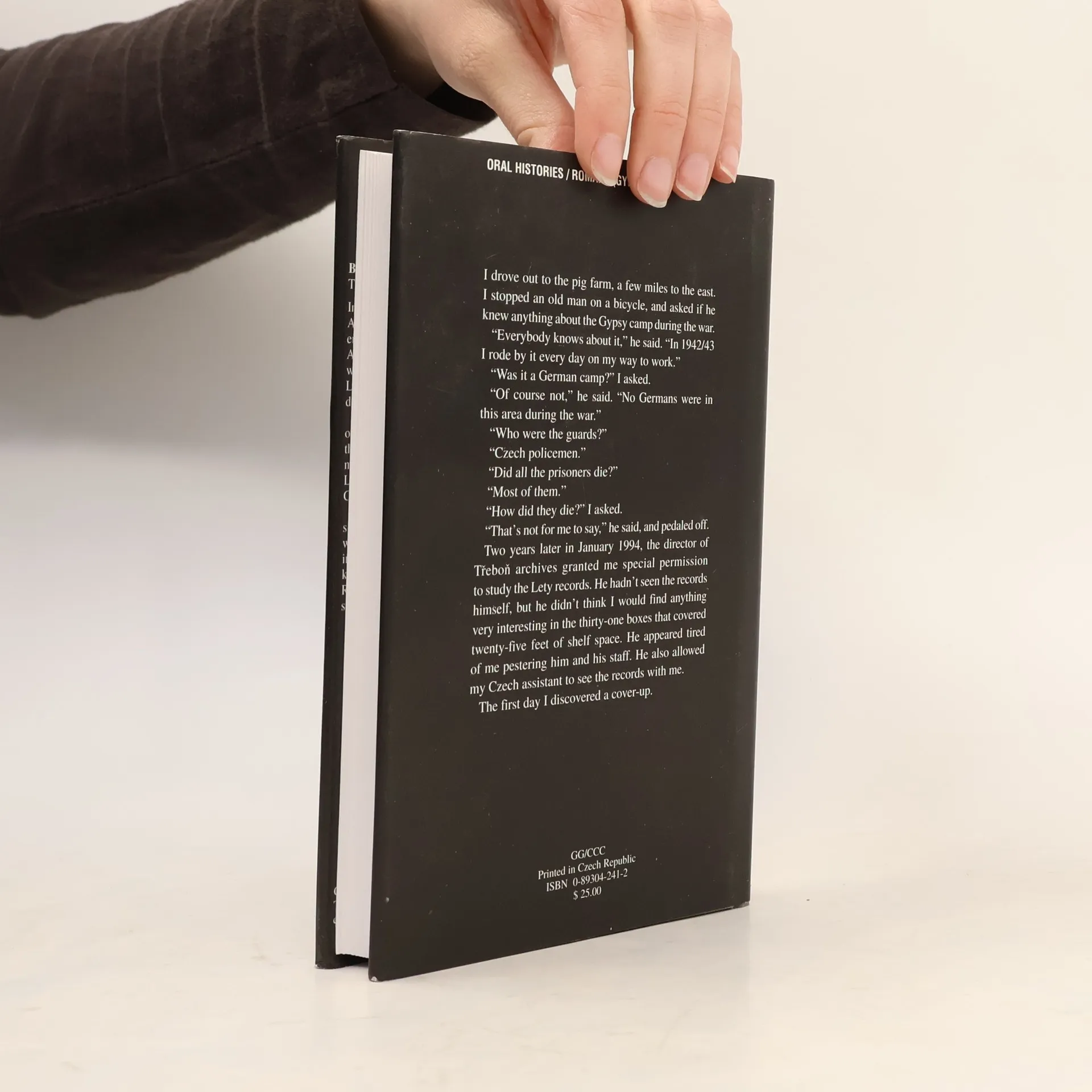
History. Holocaust Studies. In 1994 the Czech Ministry of Foreign Affairs and the Office of the President engaged in a cover-up trying to convince American writer Paul Polansky that there were no longer any living survivors of Lety, the World War II Romany (Gypsy) death camp in southern Bohemia. Polansky found more than a hundred Lety survivors still living today in the Czech Republic. The stories collected here are the result of his interviews with those survivors. Reading the survivors' own words shows why the President's Office in Prague does not want the world to know what really happened to the Czech Romany during WWII - because it is still happening today. Many romany died in Lety. Every day. Every day there were deaths. I was walking around the camp because I was working in the kitchen and in the laundry, so I saw many dead bodies. Every day dead bodies. They were all murdered. Murdered every day (J.S.).
Zakup książki
Black silence, Paul Polansky
- Język

- Rok wydania
- 1998
- Oprawa
- (twarda)
Metody płatności
Brakuje nam tutaj Twojej recenzji.
- Tytuł
- Black silence
- Język
- angielski
- Autorzy
- Paul Polansky
- Wydawca
- G plus G
- Rok wydania
- 1998
- Oprawa
- twarda
- Liczba stron
- 270
- ISBN10
- 0893042412
- ISBN13
- 9780893042417
- Seria
- Kategorie
- Tagi
- Ocena
- 3,75 z 5
- Opis
- History. Holocaust Studies. In 1994 the Czech Ministry of Foreign Affairs and the Office of the President engaged in a cover-up trying to convince American writer Paul Polansky that there were no longer any living survivors of Lety, the World War II Romany (Gypsy) death camp in southern Bohemia. Polansky found more than a hundred Lety survivors still living today in the Czech Republic. The stories collected here are the result of his interviews with those survivors. Reading the survivors' own words shows why the President's Office in Prague does not want the world to know what really happened to the Czech Romany during WWII - because it is still happening today. Many romany died in Lety. Every day. Every day there were deaths. I was walking around the camp because I was working in the kitchen and in the laundry, so I saw many dead bodies. Every day dead bodies. They were all murdered. Murdered every day (J.S.).