



Więcej o książce
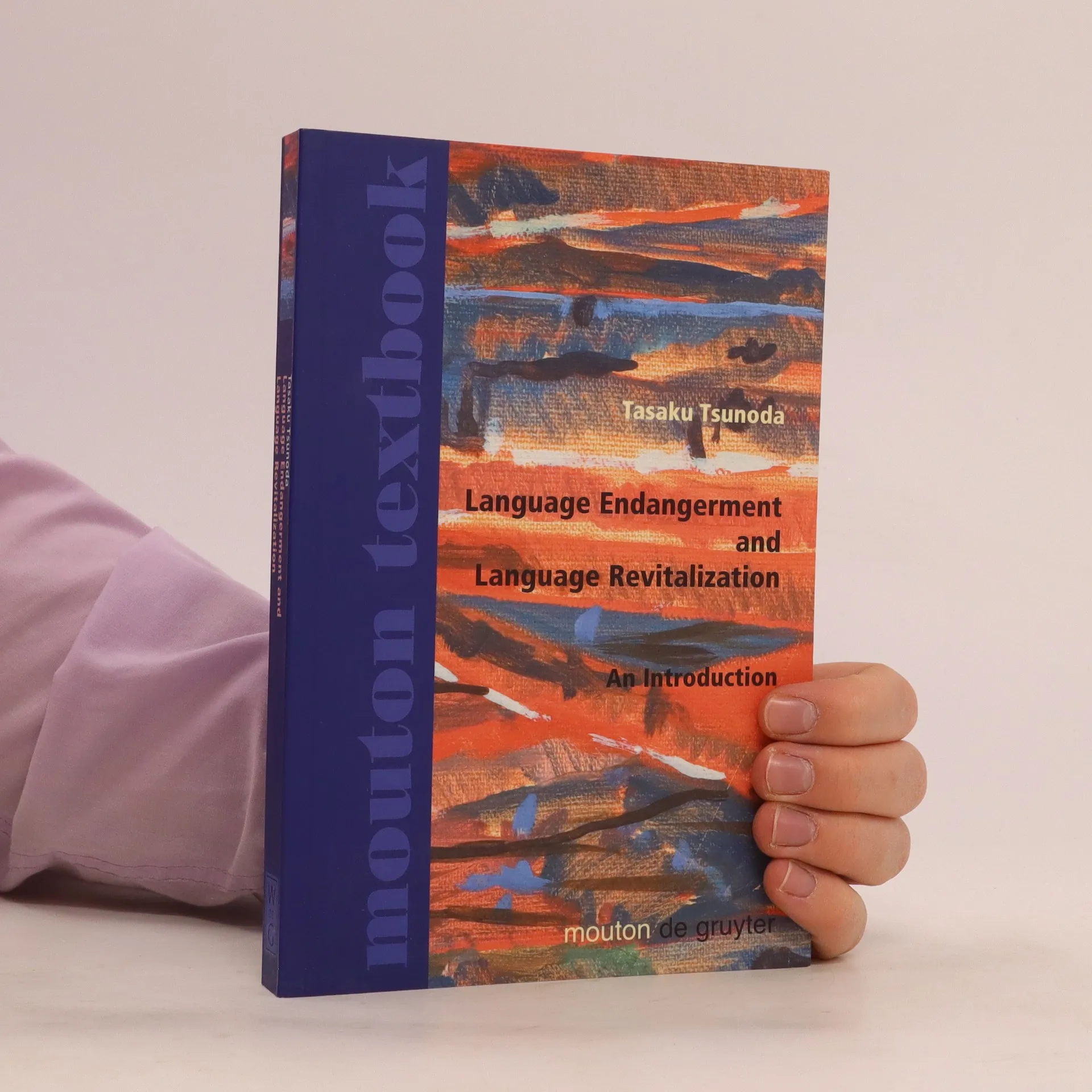
In almost every part of the world, minority languages are threatened with extinction. At the same time, dedicated efforts are being made to document endangered languages, to maintain them, and even to revive once-extinct languages. The present volume examines a wide range of issues that concern language endangerment andlanguage revitalization. Among other things, it is shown that languages may be endangered to different degrees, endangerment situations in selected areas of the world are surveyed and definitions of language death and types of language death presented. The book also examines causes of language endangerment, speech behaviour in a language endangerment situation, structural changes in endangered languages, as well as types of speakers encountered in a language endangerment situation. In addition, methods of documentation and of training for linguists are proposed which will enable scholars to play an active role in the documentation of endangered languages and in language revitalization. The book presents a comprehensive overview of the field. It is clearly written and contains ample references to the relevant literature, thus providing useful guidance for further research. The author often draws on his own experience of documenting endangered languages and of language revival activities in Australia. The volume is of interest to a wide readership, including linguists, anthropologists, sociologists, and educators.
Zakup książki
Language endangerment and language revitalization an introduction, Tasaku Tsunoda, Inc ebrary
- Język

- Rok wydania
- 2006
- Oprawa
- (miękka)
Metody płatności
Brakuje nam tutaj Twojej recenzji.
- Tytuł
- Language endangerment and language revitalization an introduction
- Język
- angielski
- Autorzy
- Tasaku Tsunoda, Inc ebrary
- Wydawca
- De Gruyter Mouton
- Rok wydania
- 2006
- Oprawa
- miękka
- ISBN10
- 311018429x
- ISBN13
- 9783110184297
- Seria
- Kolekcja
- Trends in linguistics.
- Kategorie
- Tagi
- Ocena
- 4,15 z 5
- Opis
- In almost every part of the world, minority languages are threatened with extinction. At the same time, dedicated efforts are being made to document endangered languages, to maintain them, and even to revive once-extinct languages. The present volume examines a wide range of issues that concern language endangerment andlanguage revitalization. Among other things, it is shown that languages may be endangered to different degrees, endangerment situations in selected areas of the world are surveyed and definitions of language death and types of language death presented. The book also examines causes of language endangerment, speech behaviour in a language endangerment situation, structural changes in endangered languages, as well as types of speakers encountered in a language endangerment situation. In addition, methods of documentation and of training for linguists are proposed which will enable scholars to play an active role in the documentation of endangered languages and in language revitalization. The book presents a comprehensive overview of the field. It is clearly written and contains ample references to the relevant literature, thus providing useful guidance for further research. The author often draws on his own experience of documenting endangered languages and of language revival activities in Australia. The volume is of interest to a wide readership, including linguists, anthropologists, sociologists, and educators.